
Moving BBC Scotland online ‘wholly unacceptable’, says Scottish Government

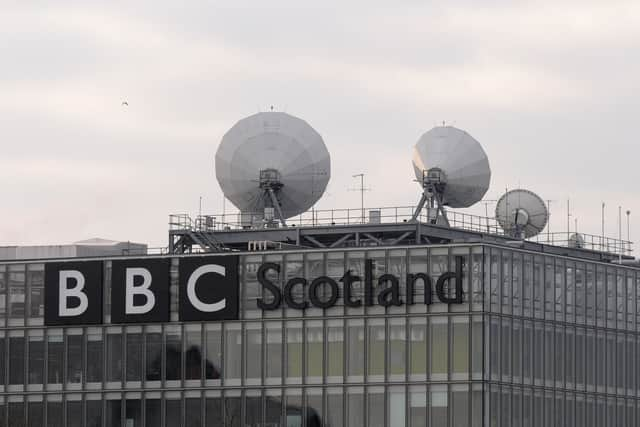
The channel will move to BBC iPlayer from the spring, with the loss of 10 jobs in Scotland.
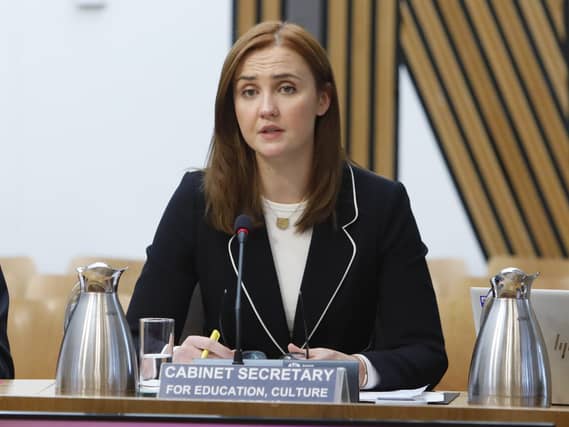
Moving the BBC Scotland channel online is “wholly unacceptable”, Scottish Culture Secretary Mairi McAllan has said.
The broadcaster announced on Tuesday that the channel would move solely to BBC iPlayer from spring of next year as part of a raft of changes which will see BBC Three also move online, together with Radio 4 Extra.
As a result of the changes, 10 jobs will be lost in Scotland, the corporation said.
In a statement, Ms McAllan said she would take her complaints to media regulator Ofcom.
“The proposal to close the BBC Scotland channel is wholly unacceptable and the Scottish Government opposes it in the strongest possible terms,” she said.
“This represents a significant blow to our media landscape and is the latest example of a long-standing pattern of BBC underinvestment in Scotland, raising serious questions about the broadcaster’s commitment to Scottish audiences and the creative sector, and its public service obligations to serve all parts of the UK fairly and equitably.
“I have set this out directly with the BBC Scotland director and will engage with Ofcom to make clear the significant concerns this proposal raises.”
Her comments come as Scottish Green culture spokesperson Q Manivannan said the announcement was a “huge blow for staff” and pushed for efforts to ensure Scotland did not miss out.
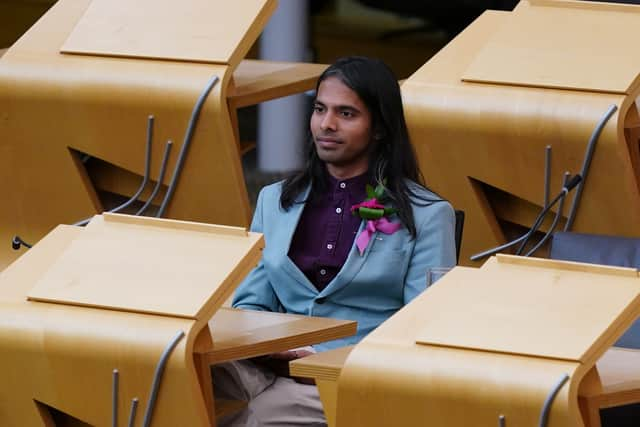
“It is a backwards step that risks leaving viewers behind, and reflects a wider cultural crisis in Scotland,” the MSP said.
“Moving away from a traditional TV channel will only make BBC Scotland less accessible, particularly for older people and those who face barriers to getting online.
“Not everyone has reliable internet access, the right devices or the confidence to navigate digital services. Public broadcasting should be available to everyone, not just those who are digitally connected.”
They said: “The Scottish Greens are ready to support the Scottish Government in advocating for the protection of Scotland’s broadcasting sector, particularly in its conversations with Westminster about the BBC’s Charter renewal next year.
“At a time when Scotland’s media is already under pressure, we need to protect inclusive, accessible public broadcasting.”
Shadow Scottish secretary Harriet Cross said: “The channel often explored subject matters from rural parts of Scotland that otherwise wouldn’t have been shown on the main channel.
“However, with fewer Scots watching linear TV, the BBC must provide best value for money that reflects the interests of viewers.
“The onus is now on SNP ministers to actively work with the BBC to ensure Scottish TV production is protected from any further cuts.”
In a note to staff, BBC director-general Matt Brittin said the broadcaster has to “make every pound work harder”, adding: “Much of the great content they currently carry will still be found where audiences already enjoy them on iPlayer and Sounds.
“While this follows media speculation, I recognise the confirmation of this news will be hard for audiences and colleagues.”
SNP MSP Alex Kerr said the “appalling” decision showed the BBC’s “disdain” for Scotland, adding: “Scotland has so much to showcase: our world-class arts and music, stars at the height of their sports, the most exciting football league in Europe – these things aren’t important to bosses in Westminster, but they matter to us.”
Scottish Labour’s culture spokeswoman Katherine Sangster said: “The UK Labour Government remains strongly committed to the BBC and to ensuring public service broadcasting thrives into the future and delivers the very best for audiences.
“While the move to iPlayer and BBC Two Scotland offers a way to protect Scotland-specific programming, it is vital that the BBC continues to produce content that reflects Scotland’s communities, culture, and priorities.
“Scottish Labour recognises how worrying these changes will be for the staff affected, and our thoughts are with everyone facing uncertainty about their jobs.”
She added: “BBC services are widely used across Scotland and audiences must continue to have access to high-quality programming that serves to tell Scotland’s stories.”