
Emergency works required after 'contamination event' at Galway park
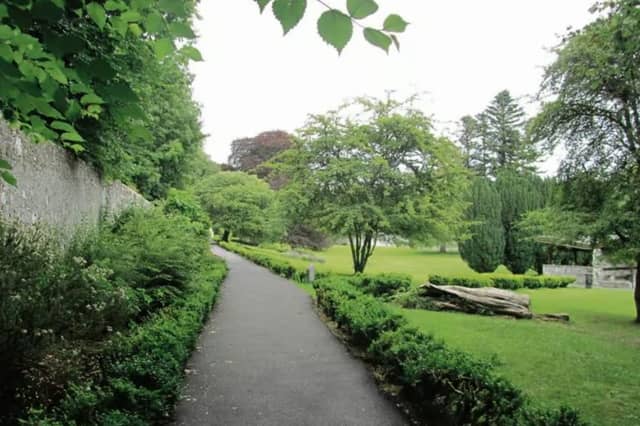

The ‘contamination event’ resulted in the closure of visitor centre, café and public toilets at the historic tourist attraction and nature reserve in County Galway
Emergency works are set to take place in Coole Park after a “contamination event” affected the water supply to the visitor centre and offices at the historic tourist attraction and nature reserve.
The park was left without potable water following the incident in May, resulting in the closure of the visitor centre, café, and public toilets.
The Department of Housing, Local Government and Heritage intends to address the issue by laying 750 metres of water pipes through the protected nature reserve, connecting its facilities to the Coole Group Water Scheme.
Details of the project are contained in an official screening determination following a ministerial application under the European Communities (Birds and Natural Habitats) Regulations.
A 75cm deep trench will be dug for a 125mm plastic water pipe over a distance of 750 metres. All but 50 metres of the works will take place within the Coole-Garryland Special Area of Conservation (SAC).
Coole Park is set on a sensitive karstic limestone landscape containing seasonal turlough lakes, native woodlands, and limestone pavements; providing critical habitats for protected species including the lesser horseshoe bat, otter, and pine marten.
A section of the wider site is also designated as a Special Protection Area under the EU Birds Directive for the whooper swan.
The department’s Ecological Assessment Unit (EAU) carried out a formal assessment to evaluate whether the excavation works posed a threat to the protected European site.
Ecologist Laura Connolly determined that a full Stage 2 Appropriate Assessment was not required, concluding that the pipe-laying works would not have a significant adverse effect on the conservation objectives of the SAC.
In the assessment, the department noted that the excavation works would take place entirely within the footprint of existing tarmac roads and access tracks, avoiding pristine habitats.
Material dug from the trench will either be backfilled or removed from the site, while imported limestone gravel sourced from a local quarry will be used to bed the pipes.
The report also stipulated that no machinery or vehicles will leave the existing roadway, and all works are barred during hours of darkness to prevent artificial lighting from disturbing resident colonies of lesser horseshoe bats.