
WDC launches Creative West 2035 research into creative sector
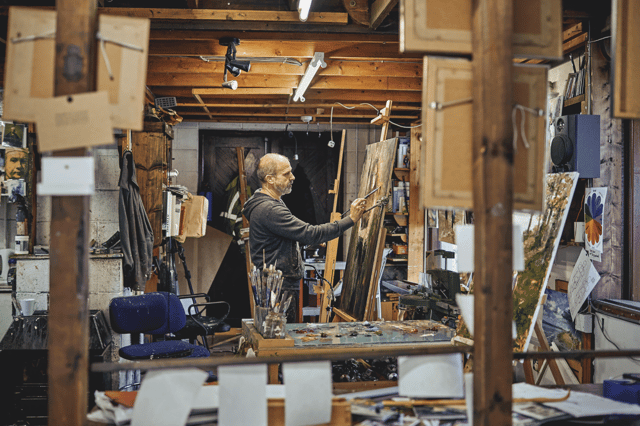

Mayo’s creative practitioners, businesses and organisations are being encouraged to take part in a new survey examining the sector’s needs, challenges and opportunities across the Western Region
The Western Development Commission (WDC) has launched a major new research project to assess the future of the creative economy across the Western Region.
Creative West 2035 will examine the strengths, challenges and development needs of the creative economy across seven counties: Mayo, Donegal, Sligo, Roscommon, Galway, Clare and Leitrim.
The initiative begins with a survey, now open to creative practitioners, freelancers, businesses and organisations, giving them an opportunity to share their experiences and identify priorities for the sector over the next decade.
The research builds on the WDC’s landmark Creative West report, commissioned in 2008, which highlighted the sector’s significant economic contribution to the region. At the time, the creative economy was estimated to generate €534 million in turnover and support 11,000 direct employees.
Almost two decades later, the sector has evolved considerably, with new creative disciplines, technologies, business models and markets creating fresh opportunities.
Creative West 2035 follows a creative sector mapping project, with the WDC due to launch the findings of that research later this month.
The new study will go beyond identifying where creative activity takes place to assess the sector’s economic value, employment, skills needs, enterprise development, access to finance and business supports, routes to market, internationalisation and infrastructure.
It will also examine emerging opportunities for growth, investment and collaboration, as well as the effectiveness of existing supports and where gaps remain.
The WDC appointed Blu Zebra to carry out the research, working with MG Reddan Consulting as part of the project team.
WDC chief executive Allan Mulrooney said the creative economy in the West and Northwest had changed significantly since the original report was published.
“We now have an opportunity to build on that important body of work and establish a new evidence base that reflects the sector as it exists today, while looking ahead to what it could become over the next decade,” he said.
Mr Mulrooney added that the research would assess the needs, challenges, strengths and opportunities within the creative economy.
“We want this to be a genuinely evidence-led process, informed by the experience, expertise and ambition of the people working across the creative economy in the West,” he said.
He encouraged everyone working in the sector to participate in the survey.
The project will combine existing data and research with survey findings, stakeholder interviews, focus groups, workshops and other consultation activities across the region.
Particular attention will be given to ensuring that people in rural, island and Gaeltacht communities are represented, alongside emerging practitioners, freelancers, micro-enterprises and those who may not currently engage with established support structures.
The research will end with a comprehensive report outlining the sector’s key challenges, opportunities and recommendations for future development. The findings are intended to inform long-term planning, policy, investment and support programmes across the Western Region.
The WDC is encouraging creative practitioners, businesses and organisations in Mayo and the other six counties to complete the survey and help shape the research.
The survey is available here.