
El Nino rains flood South America, sending residents fleeing and cattle swimming
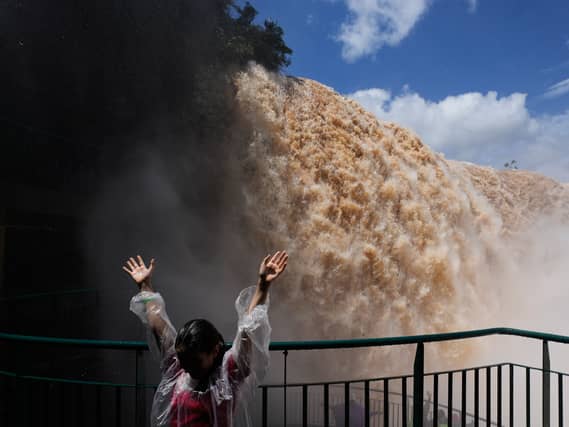

The Parana River rose to a dangerous 15.4 feet on Thursday.
Rivers swollen by heavy rains linked to El Nino continued flooding swaths of Argentina, Paraguay and Uruguay on Friday, forcing thousands of people from their homes and sending ranchers scrambling to move cattle to higher ground.
In Argentina’s north-eastern Corrientes province, the Parana River rose to a dangerous 15.4 feet on Thursday in the riverside town of Ituzaingo, prompting evacuations there and in other towns across the province.
Herds of cows waded across flooded pastures as ranchers guided them toward dry land.
The calves struggled against a current thick with floating clumps of river plants.
Provincial officials said they were digging canals and installing drains to prepare for more heavy rain.
The floodwaters come from three major rivers that start in Brazil and flow south through the region: the Parana, the Uruguay and the Iguazu.
Torrential rain has pushed all three waterways higher for days, spilling them over their banks in north-eastern Argentina, southern Paraguay and western Uruguay.
This part of South America often gets heavy rain during El Nino, a natural climate phenomenon in which warmer-than-usual waters in the Pacific Ocean scramble weather patterns around the world.
Forecasters say this year’s could be among the strongest on record, and its effects are already being felt across South America and far beyond, from an unusually stormy hurricane season off Mexico’s Pacific coast to the threat of severe drought in Southeast Asia.
Paraguay has seen the most evacuations from the recent floods.
In the border city of Ayolas, across the Parana River from Ituzaingo, more than 2,000 people have fled their homes, mayor Carlos Duarte told a local radio station Friday.
He said the river had reached its highest level there in more than four decades and could rise further.
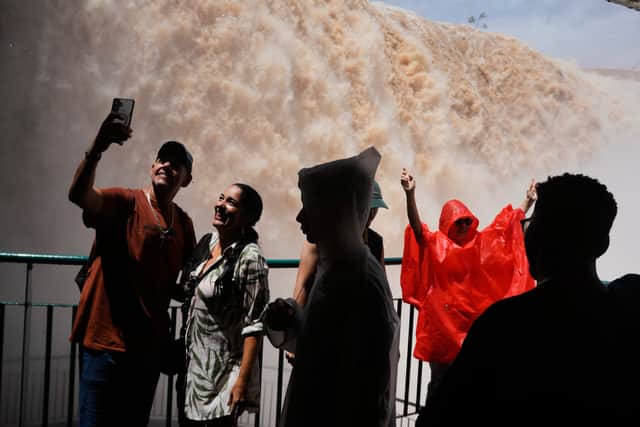
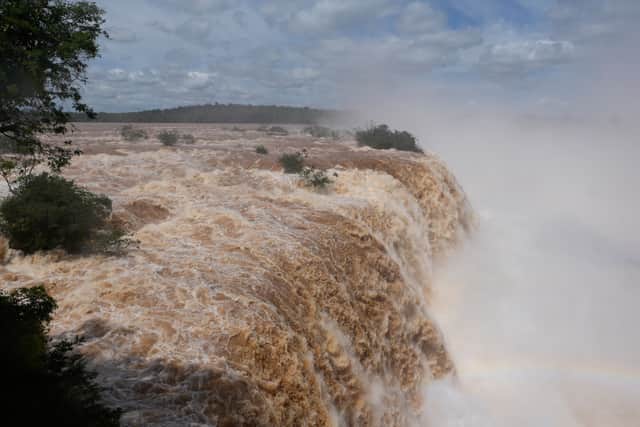
The flooding has also hit one of South America’s biggest tourist attractions.
At Iguazu Falls, the waterfalls on Argentina’s border with Brazil, park authorities have closed the walkway to the Devil’s Throat, the largest and most dramatic of the cascades, because of the high Iguazu River.
Other trails that were shut in recent days have reopened.
In Uruguay, the Salto Grande hydroelectric dam, which the country shares with Argentina, has gradually opened its gates to relieve the rising Uruguay River, flooding parts of cities downstream.
Several dozen people remain out of their homes.
More rain is on the way.
Uruguayan officials have warned that the country’s drenched northwest will get its heaviest rain of the year in the coming months.
In southern Brazil, where the rising Parana, Uruguay and Iguazu rivers originate, the national weather service expects above-average rainfall through December.