
Man convicted of starting deadly 2025 Palisades blaze in Los Angeles
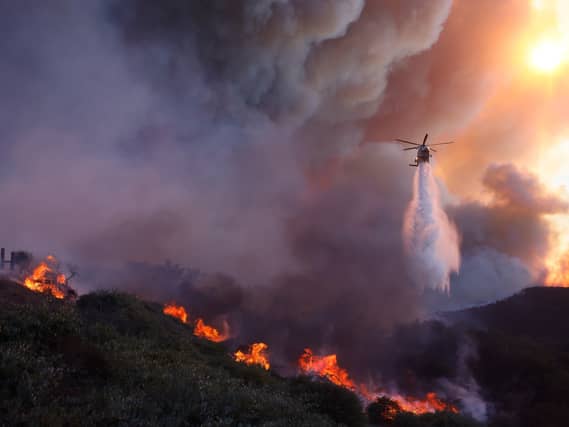

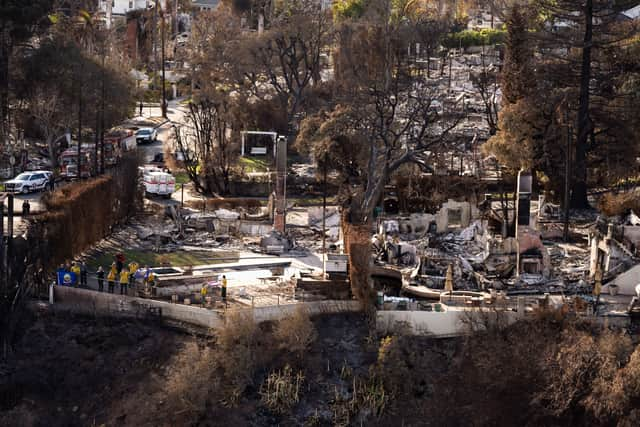
The Palisades fire killed 12 people as it incinerated entire neighbourhoods in Los Angeles and Malibu.
The man accused of sparking last year’s deadly Palisades fire was found guilty of arson charges on Friday after his first federal case earlier this year ended in a mistrial.
Jurors convicted Jonathan Rinderknecht, 30, of lighting a fire on January 1 2025, that burned undetected deep in root systems before flaring back up on January 7, becoming one of the most destructive wildfires in California history.
The Palisades fire killed 12 people as it incinerated entire neighbourhoods in Los Angeles and Malibu.
Rinderknecht pleaded not guilty to federal charges of destruction of property by means of fire and arson. The scope of the first charge was narrowed to include only the January 1 blaze, known as the Lachman fire, and the second addresses the Palisades Fire. He was convicted on both charges.
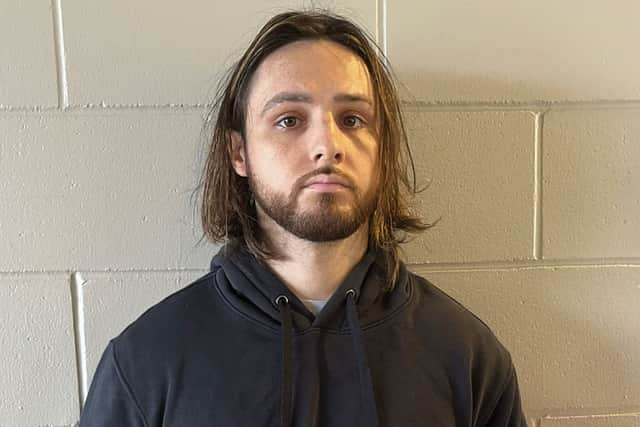
With little apparent reaction, Rinderknecht gave his lawyers hugs before leaving the courtroom. The verdict was delivered on the third day of deliberation.
Bill Essayli, the top federal prosecutor in LA, said the verdict was a “testament of the hard work” his team put into the case. He said he was “intimately familiar” with the strength of the evidence and was happy with the jury that convicted Rinderknecht.
Rinderknecht’s lawyer Steve Haney said in a statement they were disappointed in the verdict but respected the jury process.
“After a lengthy deliberation, they clearly gave this case a great deal of consideration,” Mr Haney said. Regarding an appeal, he said they would review all the options at the right time.
Rinderknecht is set to be sentenced on March 17 2027. Each count carries a mandatory minimum of five years and a maximum of 20 years in federal prison.
Prosecutors continued to pursue the case after Rinderknecht’s first jury deadlocked 10 to two in favour of acquittal after a two-week trial in June. They dropped a third charge of timber set afire when they filed a new indictment for the retrial.
Mr Essayli said he believed the first jury acted improperly and appeared to consider things in their decision that were not presented as evidence during the trial.
During the second trial, prosecutors presented a more tightly organised case that presented digital forensic data, expert evidence and Rinderknecht’s state of mind in the hours leading up to the fire.
They did not focus as much on his resentment toward the rich and powerful to present the crime as arson motivated by “societal revenge” like they previously did.
Prosecutors zeroed in on evidence placing him at the fire’s origin area, such as photographs that showed his car parked at the base of a trail leading up to where the fire started and mobile phone tower data pointing to his movement on the hill.
Fire detection camera images showed the time window the blaze ignited, and experts eliminated any other source of ignition that night, including fireworks.
They established that Rinderknecht was acting erratically and angrily in the hours leading up to the fire through the evidence of Uber passengers and texts sent to his girlfriend at the time.
“He was mad at everything, and frustrated,” said Assistant US Attorney Mark Williams.
After the fire began, Rinderknecht called 911 more than a dozen times as he walked down the hill. Prosecutors presented the video he screen-recorded on his phone while calling. As he was calling, he asked ChatGPT: “Are you at fault if a fire is lit because of your cigarettes?”
These were part of an alibi Rinderknecht was trying to create for himself, prosecutors said.
They also presented extensive evidence on how fire investigators determined the Palisades fire was a holdover fire from the initial blaze Rinderknecht sparked.