
Project to explore potential for Community Restorative Justice in Louth


New project underway to explore the potential for Community Restorative Justice in County Louth
A new project is getting underway in County Louth to explore whether Community Restorative Justice could have a role in supporting local communities, and what it could look like in practice.
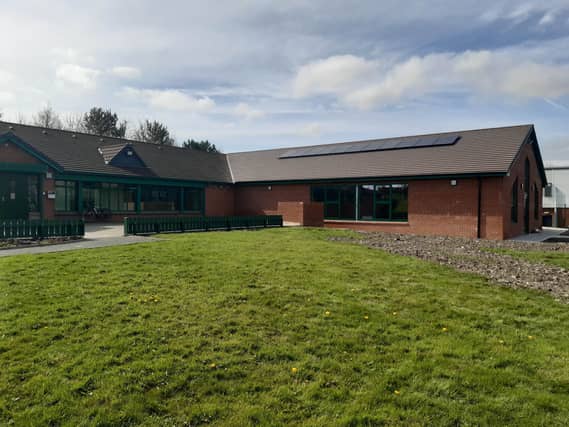
The project, “Introduction to Community Restorative Justice in County Louth,” will be launched on Friday 9 October at Muirhevnamor Community Centre in Dundalk, from 10.30am to 12.30pm.
Supported by PEACEPLUS and managed by the Special EU Programmes Body (SEUPB), under Louth County Council's action plan, the project will look at the practicalities, feasibility and desirability of establishing a Community Restorative Justice programme in County Louth.
The project will involve listening to local communities, community organisations, statutory agencies and other organisations working across the county to understand local needs and views.
It will explore where Community Restorative Justice might be useful, whether there is a need or appetite for it, and how it could work alongside existing services and supports.
Ann Lundy from Community Restorative Justice Ireland Newry/Armagh, which is delivering the project, said: “This is very much about listening and finding out what people in County Louth think.
“We are not coming in with a set model or assuming that a Community Restorative Justice programme is what is needed. We want to talk to people locally, understand the issues they are dealing with and explore whether CRJ could be useful, and if so, what it might look like and how it could work in practice.”
Community Restorative Justice has been successfully used in communities internationally, with different approaches developed to respond to local needs.
In New York City, the Red Hook Community Justice Center brings together the justice system, local community and support services to address issues including housing, family difficulties, education, employment and community safety. Community mediation and other supports are also provided, with the aim of addressing problems at an earlier stage.
There are also well-established restorative approaches closer to home. The Probation Service and organisations such as Le Chéile already use restorative approaches with young people, families and communities in the Republic of Ireland.
The new County Louth project will look at how any potential community restorative justice work could complement existing services and build on the knowledge and experience already available locally.
Community Restorative Justice Ireland Newry/Armagh has been delivering restorative work for many years, including programmes in schools, community-based work and restorative practice with community groups, families, clubs and statutory agencies.
The organisation is accredited by the Northern Ireland Department of Justice and is currently involved in the Department’s adult restorative justice pilot work.
CRJI Newry/Armagh coordinator, Fiona Harte, added: “We especially look forward to discussing with people locally how Community Restorative Justice could look in County Louth, whether it is wanted and needed, and how it could work in practice.
“Local knowledge is really important to this project, and we want that to shape where the project goes next.”
Local representatives, community organisations, schools, statutory agencies, church leaders, community centres and others with an interest in supporting communities in County Louth are encouraged to attend the launch and take part in the discussion.