
12 cost-effective ways to keep your home warm as energy bills set to jump 26% in January
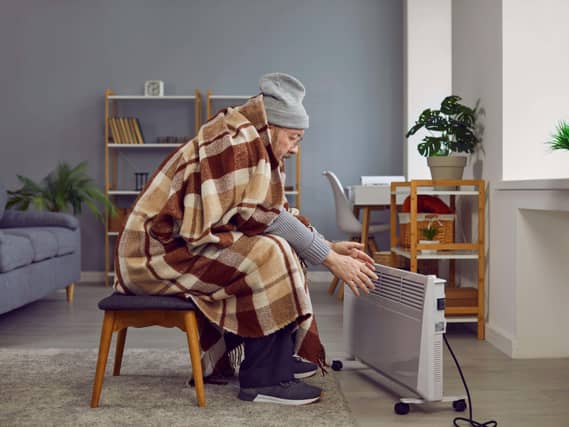

While we can’t control rising energy prices, these small changes can help keep the cold at bay this winter.
Starting next year, household energy bills will soar by 26%, energy regulator Ofgem has confirmed, leaving many families anxious about winter heating costs.
Ofgem confirmed on Wednesday that the energy price cap will rise by £443 per year – equivalent to an extra £36.91 a month – taking the average household bill in England, Scotland and Wales to £2,166.
The new quarterly cap, which is in line with industry analysts’ predictions, will be the highest since the second quarter of 2023.
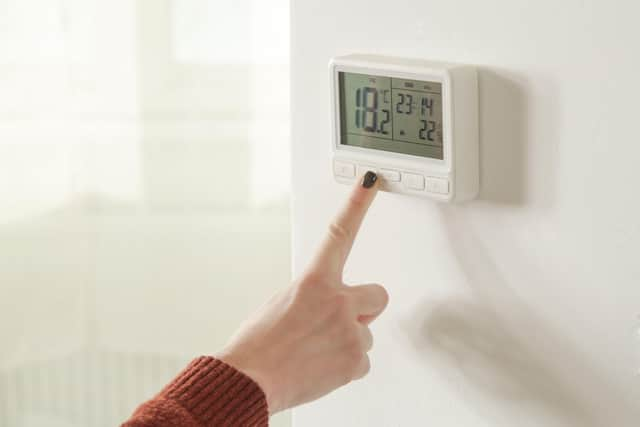
While we can’t control rising energy prices, here are some simple, affordable steps you can take to make your home feel warmer without sending your energy bills through the roof this winter…
1. Put the heating on a timer
“Use a timer so that your heating comes on for around 30 minutes when you wake up and for another 30 minutes to an hour before you go to bed,” advises John Lawless, SEO manager and heating expert at BestHeating.
2. Only heat rooms that you are using
“You certainly don’t want to heat rooms that you’re not using, so zoned heating can be a better way of monitoring and using heating,” says Ben Rawson, heating expert at Electric Radiators Direct. “Thermostats are very good in terms of their control usage nowadays.”
3. Draught-proof your home
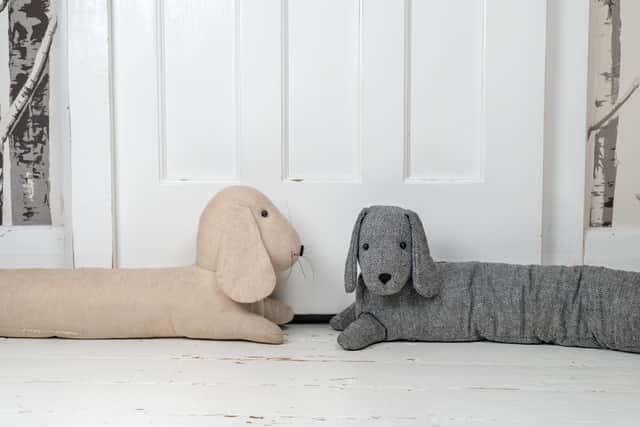
“Doors and windows are notorious for letting cold air in, and draught excluders can prevent those gusts from sneaking in,” says Lawless.
“Check around your windows, doors and even your letterbox for draughts. You can use sealants or weather stripping to block any draughts.”
Also, don’t forget to check the floorboards.
“Spend some time checking your floorboards, especially around the skirting boards, and make sure that they’re all sealed properly to stop draughts from coming in,” advises Rawson. “Small things like this will go a long way.”
4. Consider getting radiator reflector panels
“Radiator reflector panels are very popular. They sit behind the radiator and bounce the heat almost back into the room, as opposed to losing it behind the radiator,” explains Rawson.
5. Get a rug
“If you’ve got laminate or hardwood flooring, getting something as simple as a rug during the winter will help insulate that space and ensure your feet are nice and warm when you crawl out of bed,” says Lawless.
6. Check that radiators aren’t blocked
“If you are moving furniture around to accommodate Christmas trees and presents, avoid placing any large furniture directly in front of radiators,” says Lawless. “If you’re blocking radiators it will affect the convection flow of heat.”
7. Buy an electric blanket
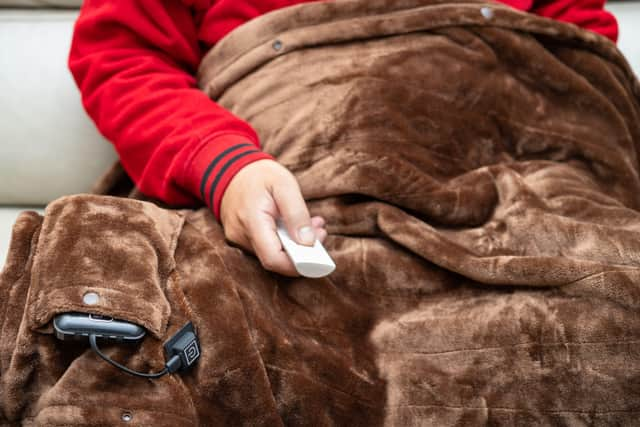
“Electric blankets are cost-effective because they’re very low wattage,” says Rawson. “The body heat that you generate as well tends to keep the blanket warm.
“So, I think they can be a great addition to any household, particularly through the very coldest winter months.”
8. Change your curtains
“Heavy lined curtains or thermal curtains can act as an extra barrier between your room and the world outside,” says Lawless.
Rawson agrees and adds: “Thermal curtains can really range in price but you can get very cost-effective ones from household shops such as B&M and Dunelm.”
9. Be strategic about when you open and close the curtains
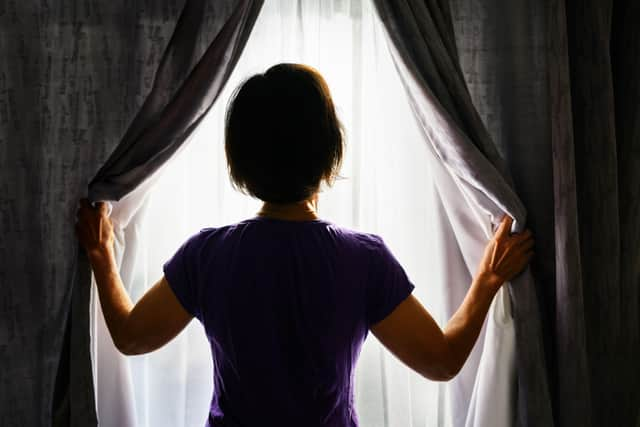
“If it’s a sunny day, open your curtains to let the sunlight in,” recommends Lawless. “The sunlight will help heat the room.”
However, make sure you close them as soon as it gets dark.
“The temperature tends to drop as soon as the sun is no longer in the sky, so make sure you keep the curtains closed in the evenings when it gets dark,” advises Rawson.
10. Remember to keep your home ventilated
“Cooking meals that produce a lot of steam can lead to a build-up in condensation, and that can make your home feel a lot colder. So I would recommend ventilating your space when you are cooking to reduce the impact of condensation,” advises Lawless.
11. Leave your oven door open
“After you have cooked something in the oven, leave the oven door open so the heat dissipates out into the room,” suggests Lawless.
12. Switch to thermostatic radiator valves (TRVs)
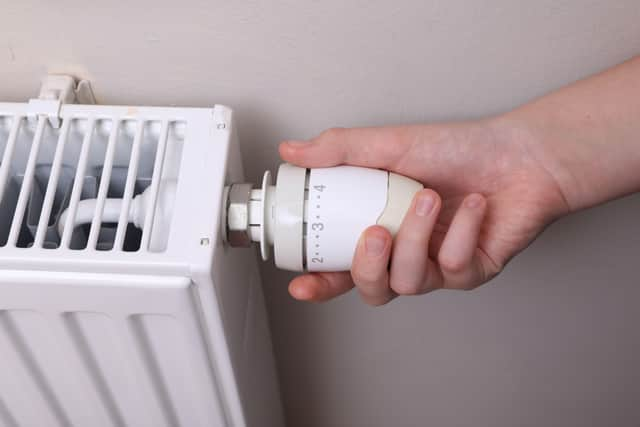
“If you have manual valves on your radiators you can only turn them on and off. Whereas, with thermostatic radiator valves (TRVs) you can usually adjust the dial from one to five,” explains Lawless.
“I would recommend turning the TRVs down in your bedroom during the day, and keep the bedroom door closed to stop heat from escaping.”