
Got your first credit card? Here are 6 common mistakes to avoid


Don’t fall into the trap of treating credit cards like free money.
More than 70% of young adults have used credit to pay for essentials in the past year, according to new research.
A survey of 2,000 UK adults conducted by Censuswide, on behalf of subscription consumer lender Creditspring, found that 71% of 25-34 year olds have used credit or borrowed money to pay for at least one essential in the past year, more than double the rate among over-55s (34%).
“This means people are using credit for emergency borrowing, so they’re probably stressed, panicking and are not reading the fine print,” says Tamsin Powell, consumer finance expert at Creditspring.

Powell recalls when she first went to university and how easy it was to get credit.
“I was offered a credit card within weeks of being there,” recollects Powell. “The problem is there’s not enough financial literacy in this country and not only do people assume they need a credit card in order to build credit, which is a mistake, but credit cards have a very high APR (Annual Percentage Rate), so they’re not the cheapest money to borrow.”
If you are thinking about getting your first credit card, here are six common mistakes to steer clear of…
1. Not paying the balance off
“The biggest trap with a credit card is paying only the minimum,” highlights Powell. “Cards can work really well for you, especially if you’re borrowing for short-term issues or problems – but if you only pay the minimum, the interest compounds, and you end up paying a lot more.”
She adds: “If you know you’re not going to be able to clear that balance at the end of the month then that’s a good indicator that you might want to look around and see what other kind of loan might suit you better.”
2. Missing payment deadlines
“If you miss payments, not only will you have late payment fees, it will affect your credit score as well,” says Powell. “All of that balance is compounding, and it can increase the debt to a point where it’s unmanageable.”
Her top tip is to set up an automatic payment with your bank.
“The best way to pay on time is to set up a direct debit so that the full balance is taken out automatically and you don’t have to think about it,” recommends Powell.
3. Applying for multiple cards
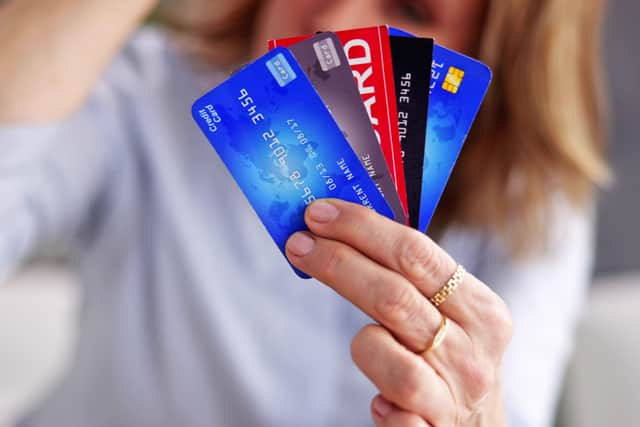
“Companies make it very easy for you to apply for a credit card but you need to be aware of the risks of doing so. Every time you apply for a card, you could get search markers which leave a footprint on your credit file,” explains Powell.
“Some companies will do soft searches, some do hard searches, so make sure you’re aware when you’re applying which one you’re committing to.”
She also explains what happens if you are declined for a card. “If you keep on applying, it can create markers on your credit file, which then impact your credit score,” says Powell.
“If you are turned down, check your credit report from credit reference agencies and see what you can do to fix the problem.”
4. Maxing out your limit
“Maxing out your credit limit and having a very high credit utilisation can also affect your credit score,” says Powell.
“Lenders offer you increased balances, but this can be a bit of a trap. In the days when we had to hand over cash it was all a bit more painful, but now it’s tap and go, and when they start increasing your limit, it’s just too easy to start taking advantage of it.”
5. Taking out cash advances
“Cash advances are not a good use of credit cards. They often carry a higher APR, sometimes a handling fee and interest from day one,” she explains.
“If you’re finding you’re having to draw cash for that reason, it’s another warning sign that a particular credit may not be the right one for you.”
She adds, “Similarly, balance transfers tied into promotional deals can look very attractive, but when the 0% period ends, the standard rate starts applying to the balance. If you haven’t kept a note of the date and don’t have active plans to get rid of that balance, it can be a bit of a surprise and the debt starts mounting up.”
6. Not reading the fine print
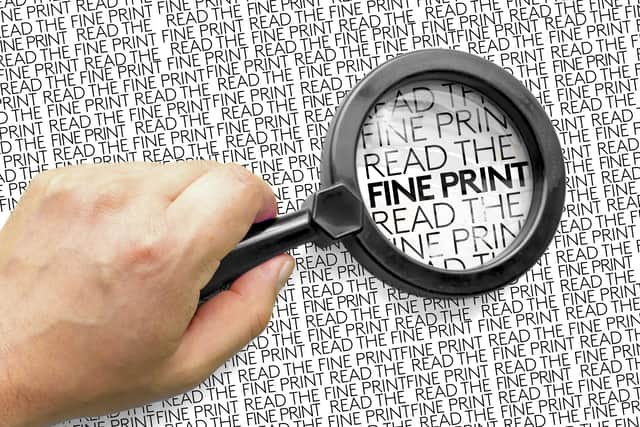
“People never read the fine print,” sighs Powell. “Now we’re applying for a lot of things quickly and online, and we click through boxes, so we don’t always read everything.
“More businesses are doing what’s called positive friction and trying to put steps in customer journeys where you can stop and reflect.”
She recommends slowing down to make sure you fully understand what you are signing up for.
“Slow down, read the terms and conditions and make sure that you understand what you’re committing to, and check if there’s things like annual fees which might catch you out,” advises Powell.
It should seem obvious, but Powell also reminds people to regularly check their balances and statements.
“Always read your statements and set up notifications on your phone which let you know when you’re spending as that can help you budget,” advises Powell.
And most importantly, don’t put your head in the sand if you get into financial trouble.
“If you can’t afford a payment at the end of the month – don’t avoid it,” says Power. “Get in touch with the lender because they are there to help you.”