
Garden thieves: how to stop them in their tracks
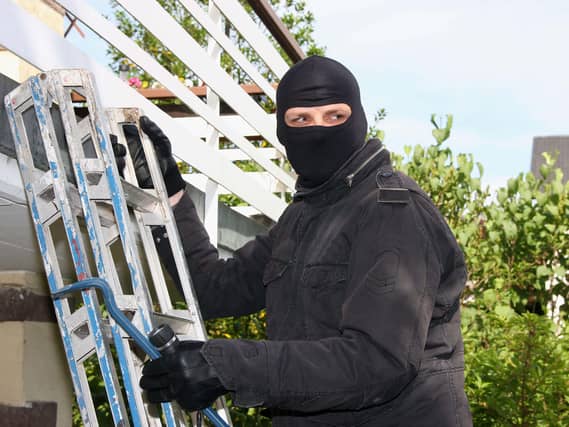

As the nights draw in, take care with garden security with these handy tips.
As you begin to put your tools, mowers and garden furniture away for the winter, you may need to spare a thought for your garden security.
‘Other household theft’ – thefts from outside people’s homes – rose by 21% to around 791,000 incidents in the year to March 2026, according to the Office For National Statistics, which could include anything from garden tools and furniture, to power washers, bikes, garden ornaments and cars on the driveway.
So what can you do to minimise the risk of thieves stealing your prized gardening possessions?
1. Make sure boundaries are secure
“Check fencing before winter, making sure you don’t have any fence panels that are rotting and can be broken through easily,” Christopher Murphy, founder of Dunster House, a family-run garden buildings company, recommends.
Look at low or damaged fencing, as well as unsecured side or rear access and gates with poor or easily bypassed locks, such as a simple ring latch or thumb latch, he advises.
Hedges can make a good barrier, the RHS suggests. Most conifers will form a thick hedge that is difficult to get through, but thorny shrubs such as hawthorn, barberry and pyracantha are the most effective.
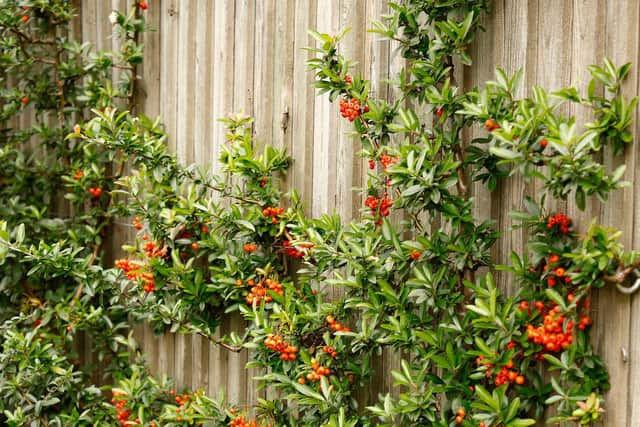
Plant low-growing thorny shrubs below windows and drainpipes and at the base of fences to deter intruders, it adds.
Police.UK, the official national digital service for policing in England, Wales, and Northern Ireland, recommends people to keep their front hedges, walls, and fences low (under one metre) so intruders have nowhere to hide from the view of neighbours or passers-by.
2. Lock up
“You’d be amazed at the number of people who don’t padlock their sheds,” says Murphy. “Shoot bolts (sliding metal rods) plus padlocks of a high standard should be used if possible.
“If you have a side gate make sure you have it padlocked and with a secondary lock on it.”
3. Don’t leave props out
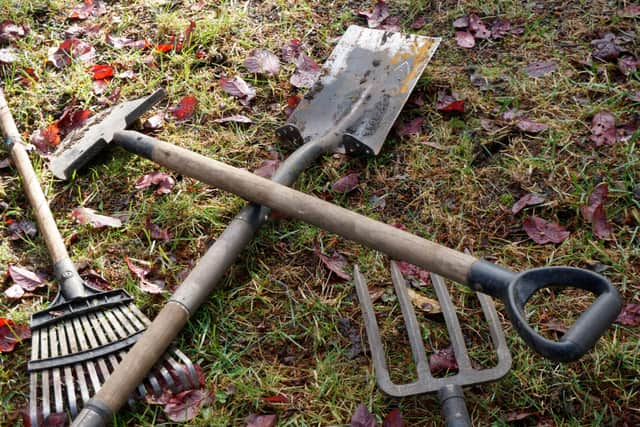
Garden tools which have been left out could help the intruder access your outbuildings or even your house, so put them away.
Intruders will look for anything that could be easily climbed on or used to get over garden walls and fences, so don’t leave ladders, garden furniture or even wheelie bins close to outbuildings or fences which thieves could use to climb over, Murphy advises.
It’s also worth checking – and perhaps cutting back – overgrown shrubs or other areas that could provide cover while someone attempts to access your property.
4. Hide things
Hide shed contents by hanging a curtain across the shed glazing to prevent thieves looking in and seeing what they fancy, Murphy says.
If you have a more elaborate building like a summer house, consider putting either internal or external shutters on them. If you’re using a garden building as an outside office, consider a multi-locking system on the doors and windows and make sure people can’t see in.
5. Anchor pots and other valuables

Larger plants, containers and ornaments can be secured with land anchors – permanent stakes to which an item is bolted or chained, the RHS suggests.
Alternatively, attach movement detectors to expensive items, which will set off an alarm when moved. Of course, you can property mark your outdoor valuables, which helps identification of stolen property if is subsequently recovered.
Chain garden machinery and other equipment like bikes to a ground anchor inside the shed or garage.
6. Repair garden buildings
Look for rusted or exposed hinges, weak padlocks, damaged doors, rotten frames and vulnerable windows, and anything that can be easily manipulated or broken to gain access and get them fixed before winter.
7. Use gravel as a low-cost alarm
Gravel pathways can easily alert householders to an intruder whose footsteps are more likely to be heard if someone walks across the stones, the RHS suggests.
Add gravel to paths or around vulnerable access points, as this can make it harder for someone to approach quietly. Any footsteps are more likely to create noise if someone walks across the stones.
Focus on areas such as side gates, narrow access routes, and around garden buildings where an intruder may otherwise be able to move through the garden unnoticed.
8. Install cameras, alarms and lights
There’s a huge range of CCTV cameras and motion-sensor lights available, which you can install not only at the front of the house but also around side passages, gates, and garden buildings.
These can make dark areas less appealing to intruders by increasing the visibility and reducing places to hide. They also alert homeowners to movement outside, removing the need to leave a light on outside all night long.
Make sure you position lights so they are not going to bother neighbours or distract road users, the RHS recommends.
Of course, CCTVs and alarm systems will discourage burglars, but if you don’t have the budget for that you could still put up visual deterrents such as security or alarm signage, “Beware of the Dog” stickers and other visible security measures to put them off the target, Murphy says.