
How to treat and prevent ‘sun spots’


As heatwaves persist, dermatologists explain how to keep pigmentation at bay.
As many of us continue to swelter through yet another heatwave, most will be diligently reaching for the sun cream before heading outside.
But while most people associate UV damage with sunburn, another tell-tale sign can appear long after the sun comes out: sun spots.
Also known as solar lentigines, these flat patches of pigmentation often appear on the face, hands, chest and shoulders after years of cumulative sun exposure. And while they’re commonly associated with ageing, dermatologists say it’s often the everyday sunlight we barely think about that causes the most damage.
Here’s how to stop sun spots appearing and how to get rid of them once they arrive.
What are sun spots?
When you think of sun spots, you may think of them as large, irregular shaped areas of pigmentation, but actually they can come in all different sizes, and can often be mistaken for freckles or melasma.
“What people usually call sun spots are solar lentigines, which are flat areas of increased pigmentation that develop after years of cumulative UV exposure,” explains Scottish-born medical doctor Dr David Jack, a member of the Royal College of Surgeons in Edinburgh.
“They tend to appear on the places that have seen the most daylight over a lifetime, particularly the face, hands, chest and shoulders.”
Freckles, on the other hand, have a stronger genetic link, says Jack. “They often appear from childhood, become darker in summer and fade again during winter.
“Solar lentigines tend to appear later in life and, once they are there, generally hang around.”
Does a heatwave increase your risk?
The answer is yes – but perhaps not for the reason you might think.
“Yes, although it is important to separate heat from UV,” Jack explains, “a very hot day does not automatically mean a very high UV index and you can have significant UV exposure on a surprisingly cool or cloudy day.”
Dermatologist Dr Ross Perry, medical director of Cosmedics Skin Clinics, says that “even if you don’t burn, you can still be accumulating UV damage.
“Sun protection needs to be a daily habit, not something reserved for holidays or very sunny days.”

So it comes down to behavioural habits, as Jack explains, “the problem with heatwaves is partly behavioural […] we are outside more, wearing less clothing and accumulating more hours of exposure. Cumulative UV exposure is what drives solar lentigines to form.”
Heat itself may also have a role.
“There is also increasingly interesting research showing that heat itself can stimulate melanogenesis,” says Jack, “although at the moment I would associate that more strongly with conditions such as melasma and general hyperpigmentation than classic sun spots. So heat probably matters, but UV is the much bigger culprit.”
What skincare beyond SPF help prevent and reverse sun spots?
Jack says the SPF alone is not enough, and recommends applying a broad-spectrum sun cream every morning before leaving the house and reapplying it when spending prolonged periods outdoors, particularly after sweating or swimming.
“SPF is absolutely central [but] a hat, sunglasses, shade and simply avoiding hours of direct midday sun make an enormous difference too.”
Perry says that SPF50 is the minimum factor to go for when the weather is hot, dropping down to factor 30 in autumn and winter if it’s cooler and not sunny.
If pigmentation has already appeared, certain ingredients can help improve its appearance over time.
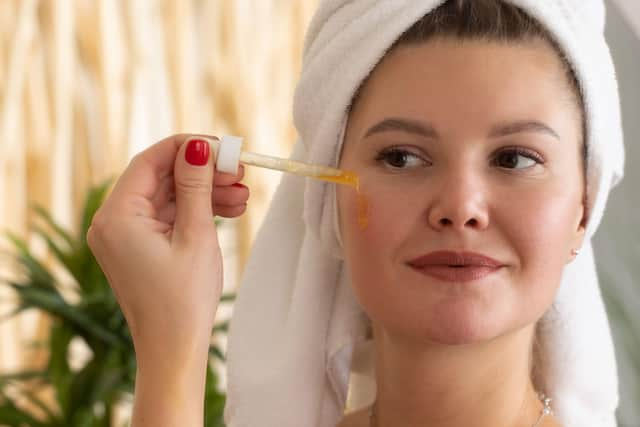
“Vitamin C is useful in the morning because of its antioxidant and pigment-modulating effects, whilst niacinamide can reduce the transfer of pigment into surrounding skin cells,” Jack explains.
“Retinoids are useful at night because they improve cell turnover […] I would regard these as gradual treatments rather than dark spot erasers.”
For more stubborn pigmentation, Perry says prescription creams, intense pulsed light (IPL) and pigment-targeting laser treatments may be appropriate after medical assessment.
Everyday habits making sun spots worse
One of the biggest misconceptions is that SPF is only necessary when it’s obviously hot and sunny.
“UV doesn’t care whether you’re wearing a jumper,” advises Jack, who says it’s the small moments that often catch us out.
“People are often very diligent with SPF on holiday abroad and then accumulate far more exposure through ordinary life, walking the dog, sitting outside for lunch, gardening, running or driving.”
He also points out that UVA rays can penetrate through glass, making driving, long train journeys or flights overlooked sources of cumulative exposure.
Application technique matters too, as Perry says that a common mistake is “applying too little sun cream or forgetting areas such as the ears, neck, chest and backs of the hands.”
And despite persistent myths, a pre-existing tan doesn’t build tolerance or make you less likely to burn.
“A tan is evidence that the skin has already responded to UV injury,” Jack says, “from a skin-ageing point of view, there really isn’t a useful preparatory tan.”
Can sun spots ever disappear?
The good news is by and large, yes.
“Individual sun spots can often be removed extremely effectively,” says Jack, “IPL and pigment-specific lasers can sometimes clear a well-defined lentigo after one or a small number of treatments, while prescription topicals can also fade them substantially.”
However, treatment doesn’t erase years of UV exposure.
“What you cannot remove is the history of sun exposure that produced them,” he says. “I tend to think of treatment as clearing the visible evidence and SPF and active skincare as stopping the next generation from moving in.”
It’s important to remember it is often “that boring, incidental sun exposure” that creates forms sun spots, says Jack. “People imagine sun damage comes from two weeks in Ibiza, but it is often decades of completely unremarkable daylight exposure […] that eventually shows itself as pigmentation.”
His advice is simple: “If you get into the habit of putting broad-spectrum SPF on your face, neck and hands every morning in your 20s, it becomes no more burdensome than brushing your teeth.”
Your sun spot prevention kit
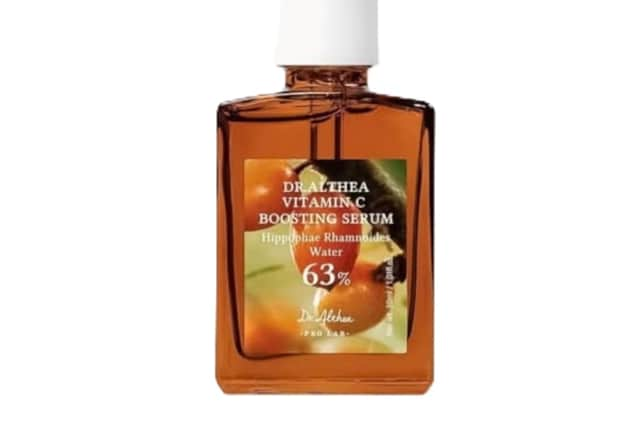
Dr. Althea Vitamin C Boosting Serum, £14.72 (was £18.40), Look Fantastic
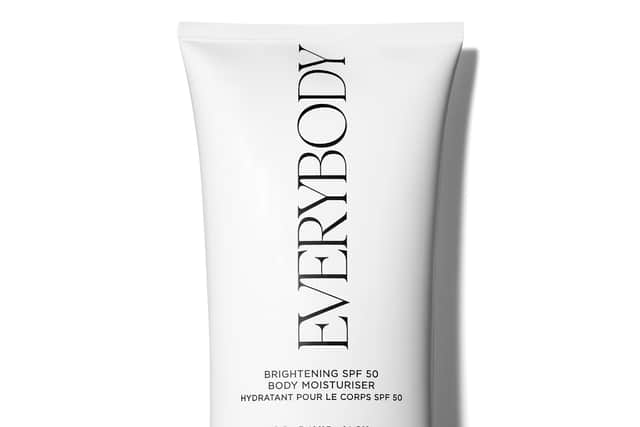
Dr David Jack Everybody Brightening SPF 50 Body Moisturiser, £65
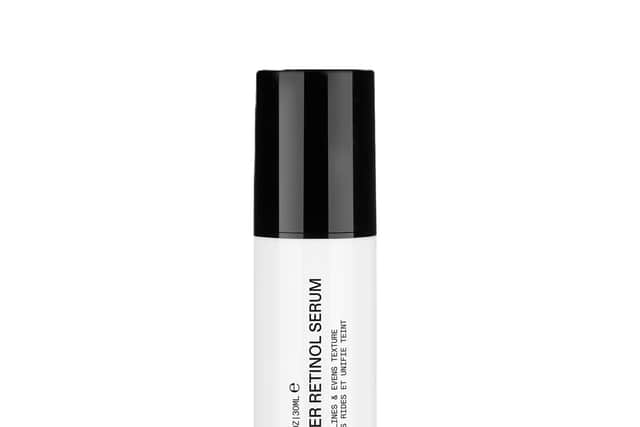
The Inkey List Starter Retinol Serum, £12
Beauty of Joseon Relief Sun : Rice + Probiotics, £13.95, Boots
Anua Niacinamide 10% + TXA 4% Serum, £19.80 (was £22), Look Fantastic