
‘I have a rare genetic condition and my wife had stage 4 cancer – we’re testing our embryos as I’m scared for my kids’
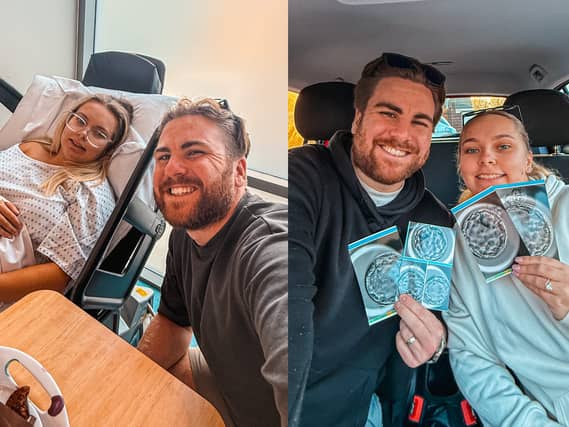

Hannah Bird-Camper’s cancer symptoms were dismissed 22 times by doctors, and Charlie Camper almost died at 15 from his rare heart condition.
A Somerset couple, one who lives with a rare genetic heart condition and the other a cancer survivor, are sharing their journey with fertility and genetic testing to help ensure their future child does not “drop dead at any moment”.
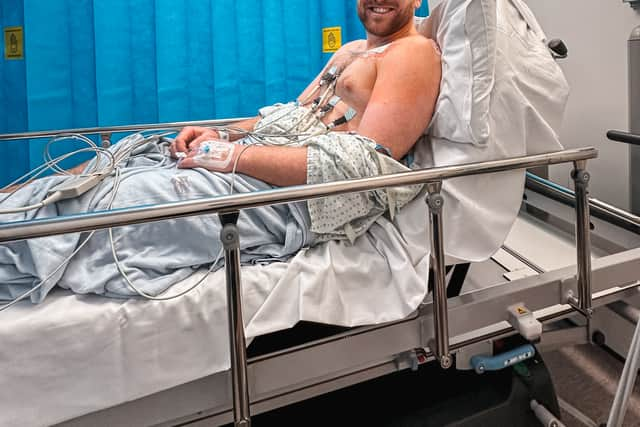
Charlie Camper, 26, a content creator and professional golfer from Ascot in Berkshire, said he suffered sudden cardiac arrest aged 15 in April 2015 after coming home from football training and “collapsing” while playing video games.
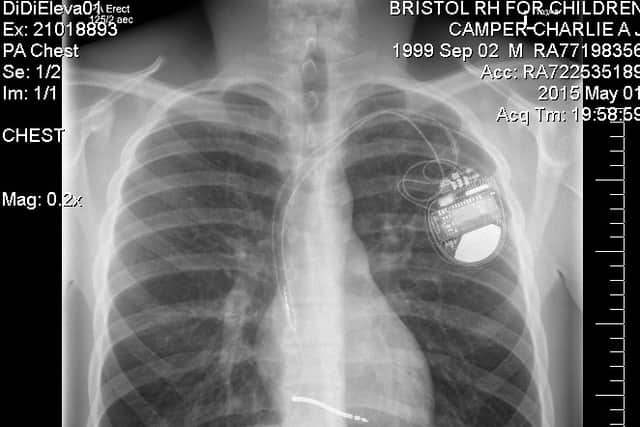
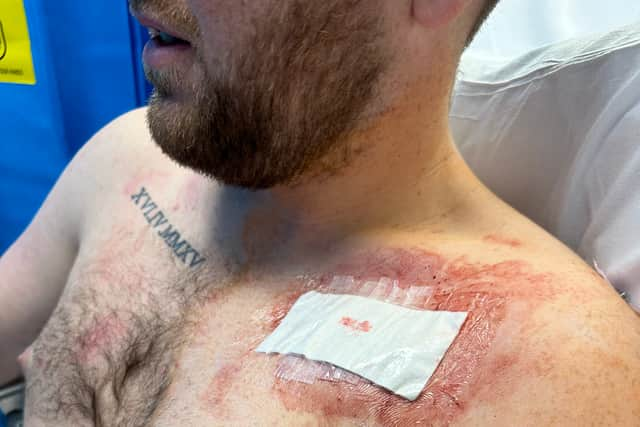
He said his father, Andrew Camper, administered life-saving CPR before he was rushed to hospital and was fitted with an internal defibrillator – a device that monitors his heartbeat and administers a shock if another cardiac episode occurs.
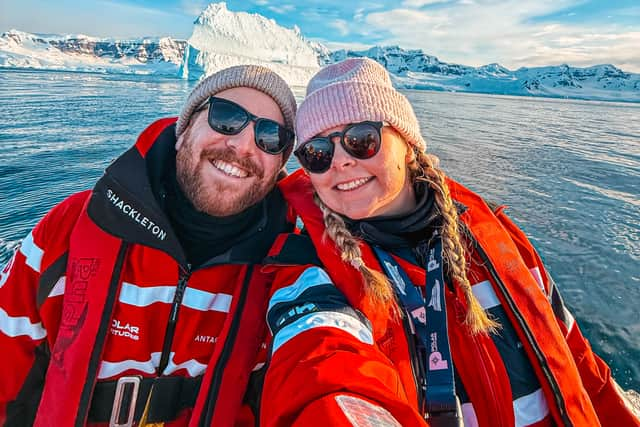
By the end of 2015, doctors discovered Charlie had a rare mutation of the gene known as RYR2, which can cause life-threatening disturbances to the heart’s rhythm, a condition his mother, Sue Camper, 59, was also diagnosed with in the aftermath.
It was not until Charlie and his wife, Hannah Bird-Camper, 27, a content creator from Taunton in Somerset, started thinking about having children after beating stage four non-Hodgkin’s lymphoma, which she was diagnosed with in March 2022 aged 22, that a genetic counsellor said their children have a 50% chance of inheriting Charlie’s heart condition.
The couple pursued IVF and had a round of egg retrieval in July 2025 that produced nine eggs and two viable embryos, but one displayed Charlie’s genetic condition and the other had a chromosomal abnormality.
The second round in September produced 23 eggs, and Hannah said three of those were “genetically normal” so they were frozen and are ready to go when the couple decide to use them.
Hannah told PA Real Life: “I think it’s a very cool thing – not only IVF – but what they can do with (genetic testing).
“We don’t want to have a child who could potentially have Charlie’s condition because we know what he’s been through.
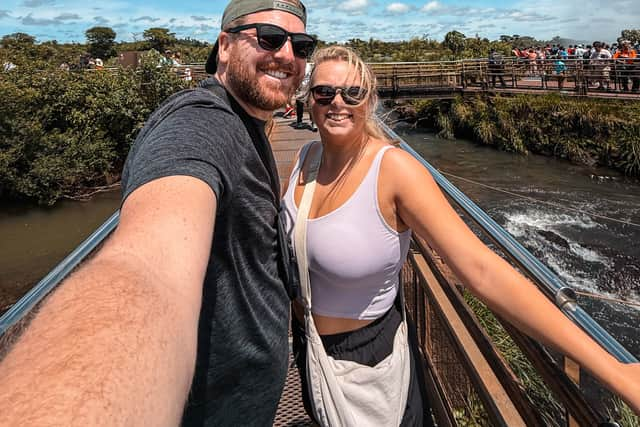
“Some people think that’s controversial and I don’t understand why.
“To us, it’s just sensible.”
Five years before Charlie’s sudden cardiac arrest, his mother Sue, then 43, had her own cardiac episode while she was on the street with her husband Andrew in August 2010.
Not knowing CPR at the time, Andrew urgently knocked on a random front door and it happened to be a nurse, who managed to perform CPR until emergency services arrived.
But Charlie said Sue was left in a coma for six months and is now blind, and doctors could not work out why it occurred.
This was the catalyst for Andrew to learn CPR, just in case Sue had another cardiac arrest, which is how he knew how to save his son’s life when the same thing happened in April 2015.
Charlie said: “I woke up a week later partially blind and not able to move any muscles, so I couldn’t hold anything.
“It took a little bit of time for me to get my grip back into my hands, relearn how to walk, and then try and function again.”
Charlie was fitted with an internal defibrillator in May 2015 and underwent a series of stress and running tests, as well as having echocardiograms before he was diagnosed with his heart condition by the end of that year.
Connecting the dots, doctors were able to diagnose Sue’s condition and fit her with a device too.
Charlie said: “The hospital can track everything that I’ve done, just through my phone linking into my defibrillator.”
Charlie added that he is “thankful” not to have had another cardiac arrest since getting his defibrillator fitted, but a loud noise would ring if there was a problem.
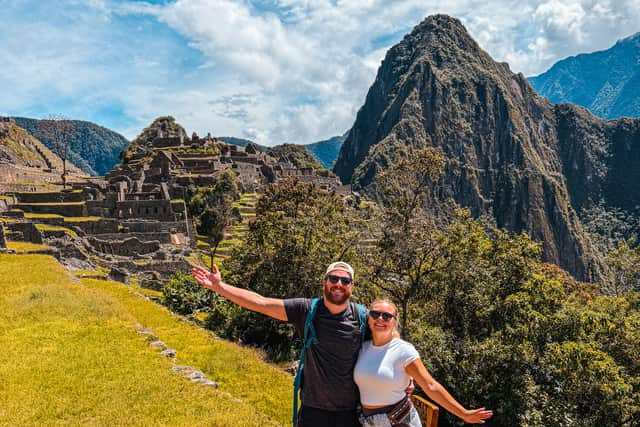
Hannah and Charlie met at college in September 2016, both aged 17.
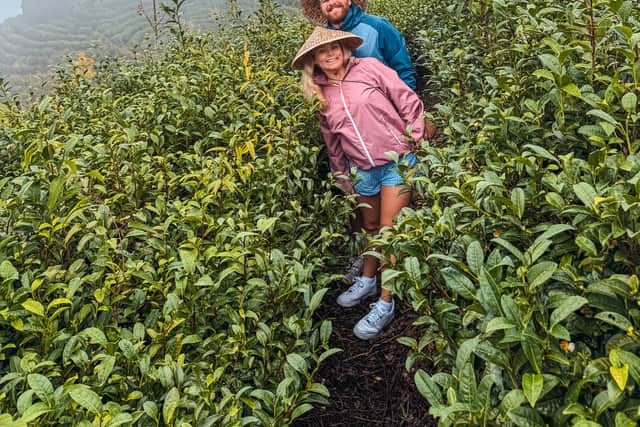
They got engaged in January 2022 and were married a year later in September.
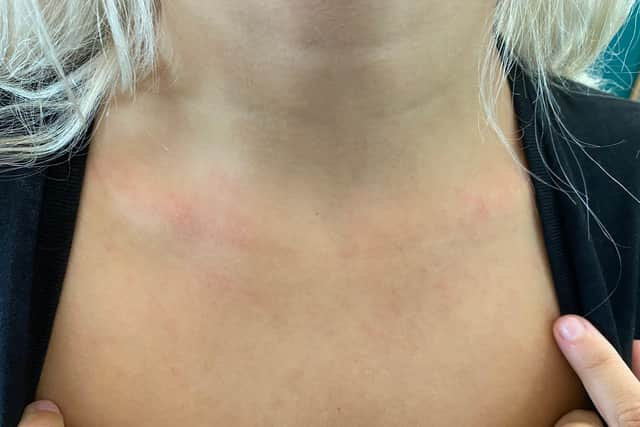
But, from August 2021, Hannah said she began to notice “five absolute red flag cancer symptoms” in her body.
She said: “I had a rash to start with, then I had fatigue, a cough, I lost about 15kg in three months, and I couldn’t eat because I was horrendously ill.”
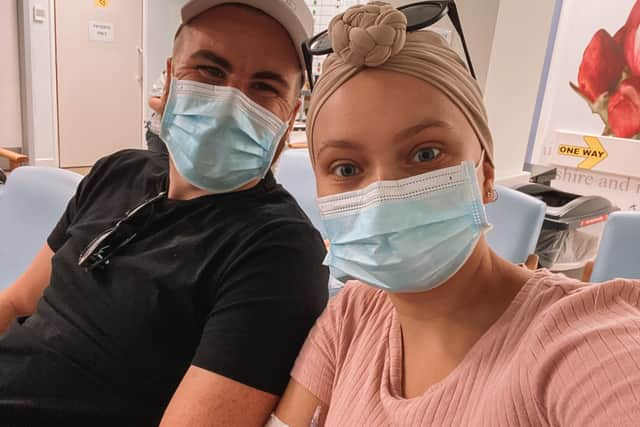
Over the next seven months, Hannah said she went to her GP at Highbridge Medical Centre in Somerset a total of 22 times, including video consultations due to Covid-19 restrictions at the time.
She said she was initially prescribed antibiotics for her “unbearable” rash and told to use antihistamines “for the itching”, but neither of them worked.
Hannah said her symptoms of chest pains, fatigue, and a cough were misdiagnosed as long Covid, while she was referred to a chiropractor for her back pain.
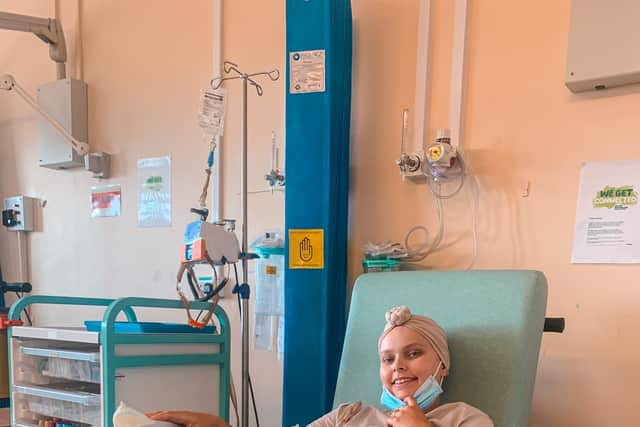
She said she was continually told she was “fine”.
She said: “They just kept putting stuff down… to lots of different symptoms that could be different things.”
After returning to the UK from a skiing trip to the Dolomites in March 2022, Hannah said she was admitted to hospital with pneumonia and sepsis, and a CT scan and X-ray revealed a 12cm tumour that was “pushing” on her spinal cord.
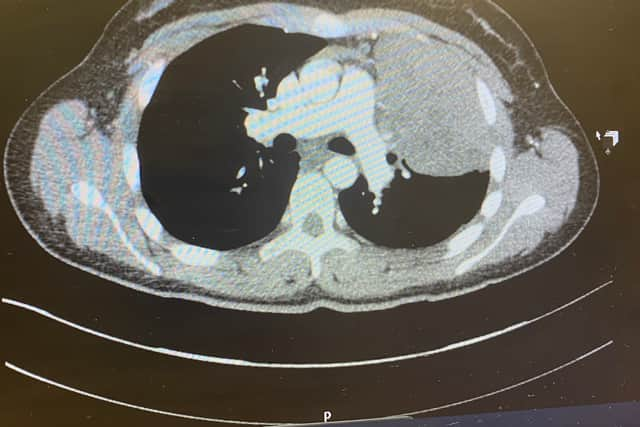
Hannah was diagnosed with stage four non-Hodgkin’s lymphoma on April 1 2022, aged 22.
She then rang Charlie and asked him to come to the hospital but he initially thought it was an April Fools’ Day joke.
Hannah underwent six months of chemotherapy, immunotherapy and a clinical trial, before she said she felt “amazing” to be declared to have “no cancer detected” in November 2022.
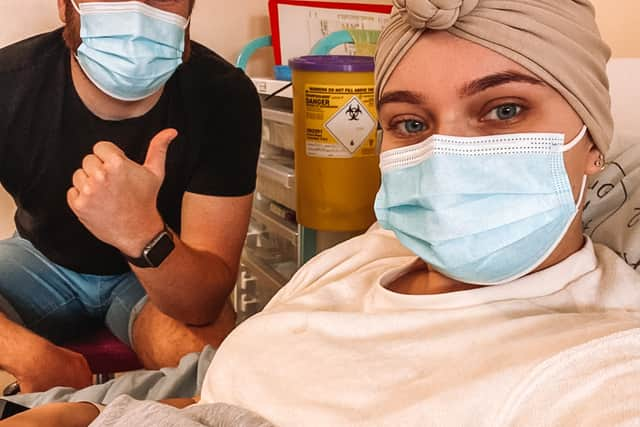
In the aftermath, the couple were advised to wait at least two years before they thought about having children and doctors warned they “weren’t sure” what impact the clinical trial cancer treatment would have on Hannah’s fertility.
So the couple decided to see a genetic counsellor in 2024 to discuss their options.
Hannah said: “We were always very concerned about me… but then it spun back to Charlie, and his genetic heart condition.
“We were told we could try and conceive naturally and then wait and see if our child had an episode.
“That was the last thing we wanted, and we couldn’t imagine waiting for the day they had a sudden cardiac arrest,” she added.
The couple secured NHS funding for three IVF cycles via TFP Oxford Fertility Clinic, beginning their first IVF cycle in July 2025.
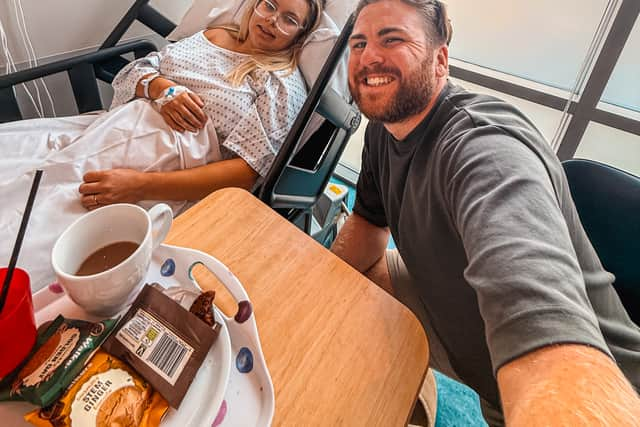
After screening for inherited genetic conditions through a process called PGT-M testing, the nine eggs retrieved and two embryos showed one with Charlie’s heart condition and another with abnormalities, so their first cycle was deemed unsuccessful.
Their second cycle in September 2025 led to 23 eggs being retrieved and four potential embryos, with only one of those displaying markers for Charlie’s condition.
So, the couple now have three healthy embryos waiting for whenever they choose to start a family.
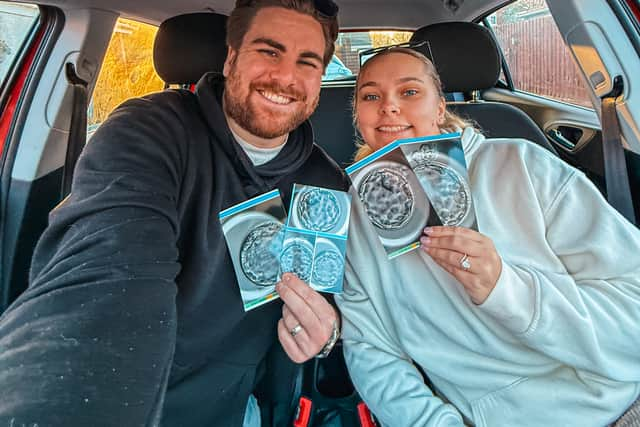
Hannah said they are “not sure” when they will unfreeze the embryos to use them because they do not want to “rush and regret” it.
Looking back on how far they have come, Charlie said: “I’m under the strong impression that however bad life can get, you can still do something pretty awesome.”
Hannah added: “There are still a lot of unknowns… we’re still contemplating whether to have a medicated or natural embryo transfer.

“But mostly we feel reassured that the hard work is now over.”
Dr Kelsey Boddington, medical director for Symphony Healthcare Services, which runs Highbridge Medical Centre, said: “I am very sorry that we did not respond well enough to Ms Bird-Camper’s concerns about her care leading up to her cancer diagnosis in March 2022. We will review our processes urgently.
“During the Covid pandemic, between April 2021 and March 2022, clinicians at Highbridge Medical Centre had consultations with Ms Bird-Camper about various issues, made referrals to other secondary care services and sent follow-up communication to Ms Bird-Camper.
“We recognise that our response to her concerns regarding her care in 2021 and 2022 should have been better, and we wish to address this. Senior clinicians at the practice will contact her to talk through her concerns, review her notes and investigate and answer her questions. We are also willing to engage with external independent experts if required to ensure a fair and impartial process.”
You can follow Hannah and Charlie on Instagram here: https://www.instagram.com/thattravelcouple/