
‘I was 11 when my mother died and I became responsible for my household – now I’m a mother, I miss her more than ever’
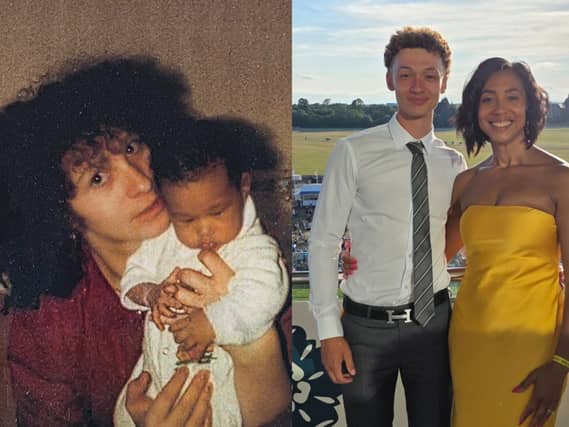

Bianca-Maria Cavuoto said it was difficult not having ‘a woman to turn to’ as she became a mother.
A woman who lost her mum when she was 11 years old said that becoming a mother without her mum was “difficult”, not having “a woman to turn to” to ask “is this normal, is this right?”, but that keeping her mum’s memory alive through her children helps her “know she’d be proud”.
Bianca-Maria Cavuoto, 44, who lives in Bradford and runs her own PR agency, lost her mum Anna-Maria to breast cancer when she was 11.
She said she became “fully domesticated” within a year of her death, responsible for caring for her three sisters, then aged 8, 6 and 4 – she grew up in a “traditional” home, with her father out working as a bricklayer, so Bianca would do the “cooking, cleaning, ironing, raising children” as well as going to school.
She said she “never really grieved my mum”, because she had to focus on caring for her younger siblings, and felt she “missed out on so much” of her formative teenage years in the aftermath of her mother’s death.
However, when she became a mum herself aged 24, Bianca said the loss of Anna-Maria became even more apparent: the woman first-time mums often look to for support, advice and reassurance was not there for her, and Bianca said she “cries more about her now than I did when I was a teenager”.
Bianca built her own ‘village’ with help from online forums, neighbours and friends, and more recently discovered The Motherless Mothers – a community for mums experiencing loss or estrangement from their own mothers – and said that “if I had met these women 10, 15, 20 years ago, I reckon I would have navigated pregnancy and motherhood in a very, very different way”.
“Growing up, it was tough,” Bianca told PA Real Life.
“I was trying to navigate being a teenager, I was trying to run a household, effectively…
“The problem is that I never really grieved my mum… At that time there was no time.
“My younger sisters needed feeding, they needed looking after, they needed getting to school, and I did all of that…
“When I look at my children, and them being teenagers and growing up, (I realise) I missed out on so much.”
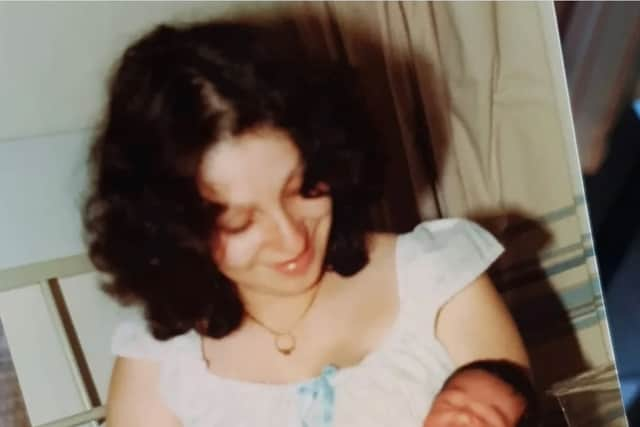
When Bianca’s mum Anna-Maria died from breast cancer at the age of 34, Bianca was 11, the eldest of four sisters: Nina, then 8, Leila, then 6, and Michaela, then 4.
She said she feels she is “the luckiest out of the four of us to be able to have some memories of my mum”, and that she is “the one telling my sisters about the things that she would do, things that she would say, or things that people remembered of her”.
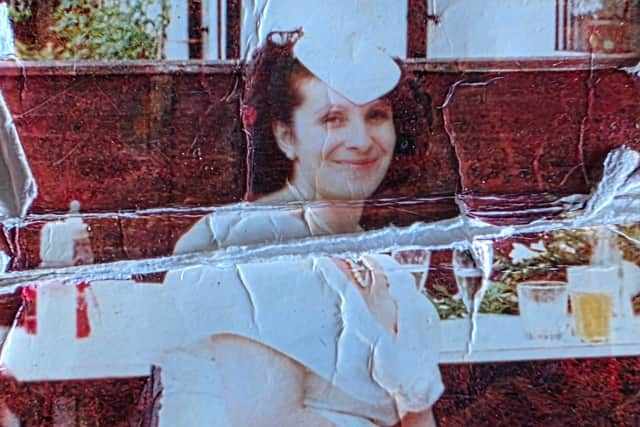
Anna-Maria was Italian, while Bianca’s father was Jamaican, having arrived in the UK as part of the Windrush generation, and the couple were married not long before Anna-Maria got her diagnosis. Bianca describes her as “a massive personality” – “she had a really loud, dirty, cackling laugh, and me and my sisters have all got the same laugh as her”, she said.
“She was very confident, she was very loud, she was a housewife – her career was her children,” Bianca said, adding that her mum’s perfume was Chanel No. 5, so now whenever she catches that scent “it all comes back”.
After Anna-Maria passed away, Bianca became the main caregiver in her household – her father, who passed away in 2015, was “very traditional” and was often out at work as a bricklayer – so she spent her teenage years caring for her sisters while also pursuing her own education.
“We made our peace before he passed away… I have my education and my career as a result of him,” Bianca reflected.
“And actually, I’m a great cook, I’m very nurturing. So I look at all the positives that came out of that. But when I look back, God, I missed out on so much.”
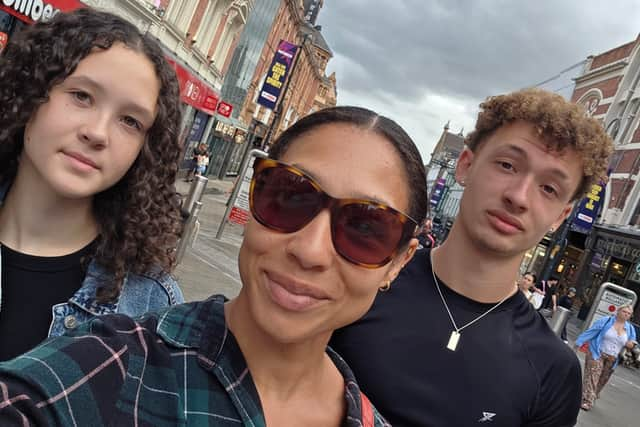
When Bianca was 24, she became a mother to Jack, now 19, and she later had her daughter Thea, now 13.
“Pregnancy was difficult – I didn’t have a woman to turn to and be like: ‘I feel like shit, I feel tired, is this normal, is this right?’,” she said.
“We had just moved to Stevenage and there was (a forum) similar to Mumsnet – I just put out a post and I was like: ‘I’m a couple of months pregnant. Are there any other mums in Stevenage?’. And then I actually found a little network.
“I don’t speak to them now, but that was the little village (I found) during pregnancy. We had nothing in common apart from pregnancy, and actually that was OK for me.”
After Jack was born, Bianca said her next-door neighbour “took me under her wing”.
“When Jack first threw up – I’ve never known so much liquid to come out of a human!” she said.
“I was feeding him, he must have been about three weeks old, and I ran next door… She was like: ‘It’s all right! It’s just milk!’.
“And it’s things like that that you go: ‘If Mum was here, I would have been able to pick up the phone and be like, Mum, is this normal?’.
“So I had to look to other women to kind of nurture me a little bit, and help and support.”
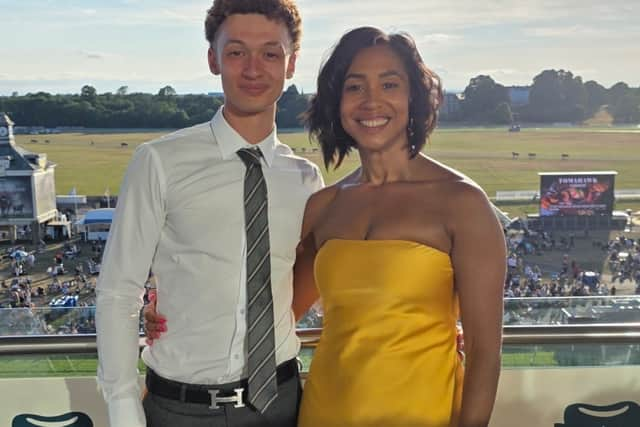
Bianca said she finds herself grieving her mother most during the milestones of her children’s lives, and on anniversaries.
“All the different milestones of having a child, those are the bits that can just wipe me out for days,” she said.
“I’ll cry more now on birthdays, and her anniversary on September 30 – things like that hit me harder because I look around, and I look at my success and I look at my privilege that I’ve achieved for myself, and I know she’d be proud.”
Even though Bianca’s children never met their Nonna, Bianca said she talks about her “most days”. She likes to teach her children about her through stories of their cultural heritage, both Italian and West Indian, through food, and through the music she loved such as American soul duo Charles & Eddie.
Now, Bianca works with The Motherless Mothers community to help support other women going through motherhood without their own mums, whether that’s through loss or estrangement. She said that if the community had been available to her when she was a new mum, she believes it would have helped her in her grief and to be “less down on myself”.
To other motherless mothers, Bianca says that it is important to “take the time to grieve”.
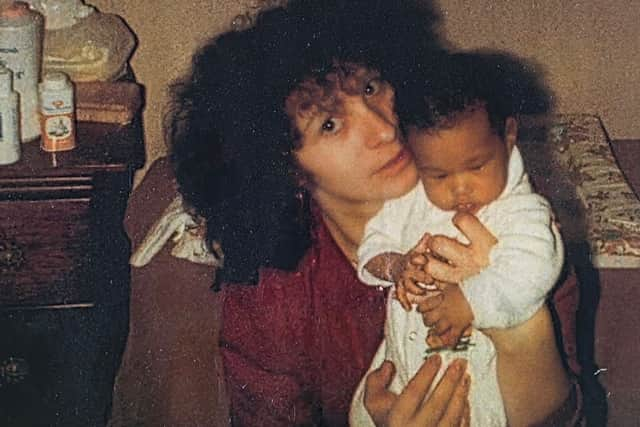
“You as an individual need time to grieve, and understandably, when you’re pregnant or you’ve just had a baby, you’re so caught up in the moment of being a mother,” she said.
“But you have to remember you as an individual, because if you’re not mentally, physically and emotionally right, you’re not going to be able to be the best possible person for you, and that also means being the best possible mother.”
“Losing your mum, you don’t grieve it once… It’s long term, it’s lifelong,” she added.
“Don’t necessarily look to a village to fix your problems. Look to a village to support you and guide you.”
To find out more about The Motherless Mothers, visit themotherlessmothers.com.