
John Frieda’s most iconic haircuts – from Joanna Lumley to Princess Diana
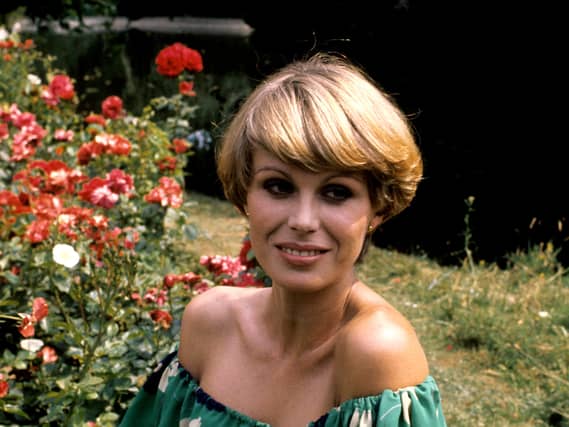

From the iconic Purdey bob to Hollywood’s famous blonde locks – here are the best looks from John Frieda’s most famous clientele.
Few hairdressers could claim to have worked with a princess, a Sixties supermodel and some of Hollywood’s biggest stars.
But John Frieda, the British celebrity hairstylist who has died aged 75, built a career around some of the world’s most famous heads of hair.
Long before his name became synonymous with the Frizz Ease products found on bathroom shelves, Frieda was making his mark in London’s salons, creating cuts that would transform the hair trends of the era.
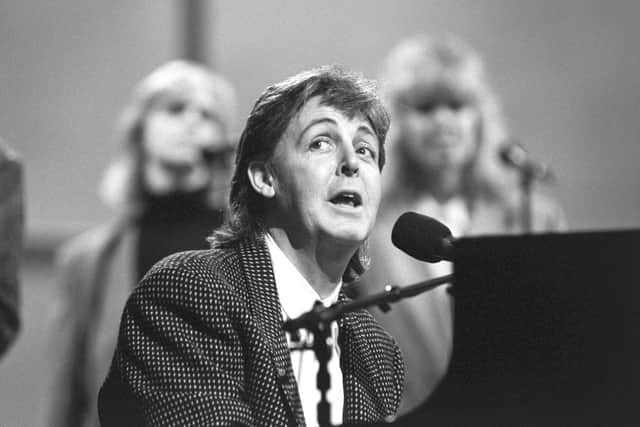
Opening his first salon on London’s New Cavendish Street in 1976, he attracted a clientele that included Princess Diana, Joanna Lumley, Twiggy and even Paul McCartney.
His influence later extended beyond the salon chair, with a team of hairstylists and colourists tending to the likes of Madonna, Gwyneth Paltrow and Nicole Kidman.
Following his death, we look back at some of the most memorable hairstyles associated with Frieda and the stylists who worked under his name.
Joanna Lumley
Few hairstyles have become quite as inseparable from a television character as Joanna Lumley’s 1976 Purdey cut.
When Lumley was cast as the secret agent Purdey in the British television series The New Avengers, she approached Frieda with the unusual request of a schoolboy’s haircut.
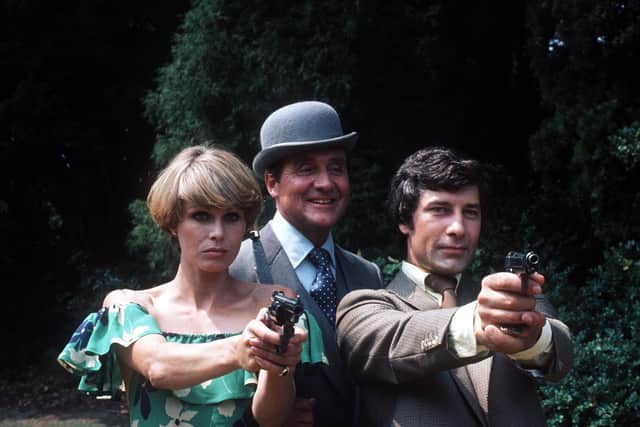
So Frieda worked to create what soon dubbed the Purdey – a sharp, rounded pageboy cut, with a heavy fringe, cropped sides and a distinctive bowl-like silhouette that framed her face.
At a time when long, feathered hair and voluminous blow-dries dominated the beauty scene, the androgynous style was strikingly different and started a domino effect adopted by the likes of Princess Diana.
Its geometric shape became one of the most recognisable haircuts of the Seventies, helping establish Frieda as one of London’s most sought-after hairstylists.
Twiggy
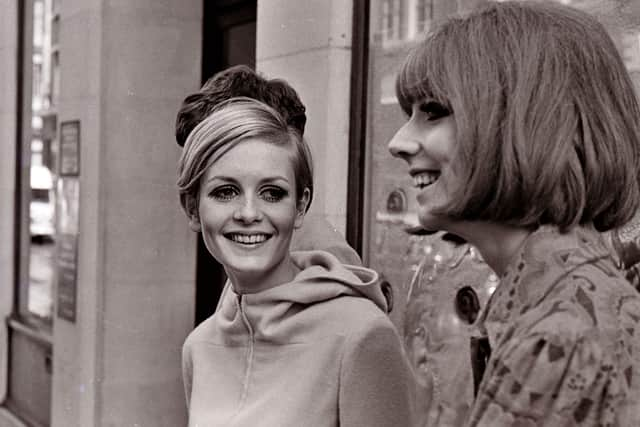
Before Frieda opened his own salon, he was learning his trade at Leonard of Mayfair, where one of his early clients was Twiggy.
The supermodel, whose cropped blonde hair and exaggerated eyelashes helped define the Swinging Sixties, first met Frieda in 1967.
In June 2026, she shared a photograph of the pair celebrating the 50th anniversary of his salon business, recalling: “We first met in 1967 when he was a junior stylist at Leonard’s hairdressing salon in Mayfair & he would wash my hair!”
Although Frieda worked with Twiggy during her modelling career, her famous pixie cut was actually created by Leonard Lewis, with colour by Daniel Galvin.
The closely cropped, side-parted style, which drew attention to her large eyes and delicate features, became one of the defining beauty looks of the decade.
Frieda would later go on to style the model for magazine work, marking the beginning of a career closely intertwined with fashion photography.
Princess Diana
Princess Diana’s hair underwent almost as many transformations as her wardrobe, from the softly feathered bob of her early royal years to the shorter, more sculpted cuts she adopted in the Nineties.
Frieda first worked with the then Lady Diana Spencer in 1980, styling her hair for a portrait session with photographer Lord Snowdon, which was published in Vogue around the time of her engagement.
Her early hairstyle was famed for its sweeping fringe, rounded layers and a soft, feathered finish that would later become synonymous with the young princess.
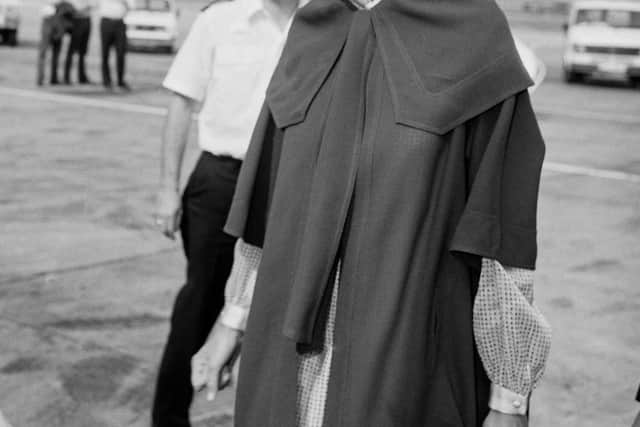
It was a look that captured the Eighties preference for volume while retaining a certain understated elegance.
Although Frieda worked with Diana, he was not responsible for all her most famous hairstyles. Richard Dalton was another of her longtime hairdressers, while Sam McKnight created the cropped style that became a defining part of her image in the Nineties.
Nevertheless, Frieda’s early involvement places him among the hairstylists who helped shape one of the most closely watched beauty transformations of the 20th century.
Lulu
Frieda’s relationship with the Scottish singer Lulu extended beyond the salon chair. The pair married in 1977 and had a son, Jordan, before divorcing in 1991.
During their marriage, Frieda styled Lulu’s hair, which became known for its short, feathered layers and voluminous finish.
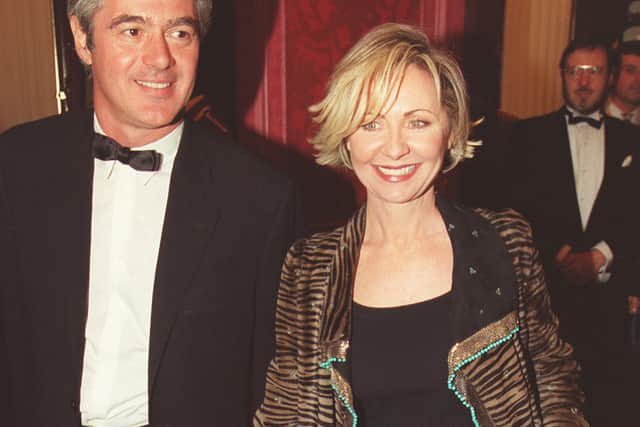
Lulu’s blonde styles evolved with the decades, from the softer, rounded Seventies shapes popular to the choppier, more textured cuts of the Eighties and Nineties.
Her hair was a perfect reflection of the changing fashions, with sweeping fringes, lifted roots and layers that gave shorter styles movement.
Madonna
By the turn of the millennium, Frieda’s influence extended well beyond the hairstyles he created personally.
His team included what remain to be some of the industry’s most sought-after colourists, among them Nicola Clarke, who worked with Madonna.
Ahead of the singer’s wedding to British film director Guy Ritchie in December 2000, Clarke was called to Madonna’s London home to colour her hair.
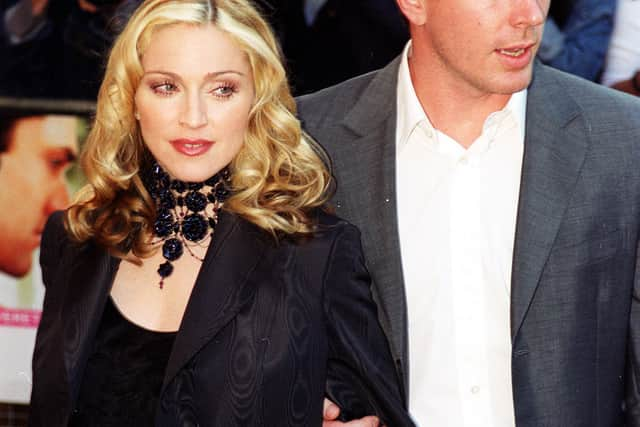
In a 2016 interview with German newspaper Die Welt, Clarke recalled colouring the singer’s hair over the kitchen sink, only discovering afterwards that the appointment had been in preparation for her wedding.
Madonna’s blonde hair was styled in loose, romantic curls for the ceremony, a softer look than many of the more theatrical hairstyles she had worn throughout her career.
Nicole Kidman
Nicole Kidman’s transformation into a glamorous Sixties film star for the 2009 musical Nine was another example of the talent associated with Frieda’s name.
Kerry Warn, Frieda’s international creative consultant and Kidman’s longtime personal hairstylist, created her look for the film, which also starred Daniel Day-Lewis, Marion Cotillard and Penélope Cruz.
Kidman’s blonde hair was styled into glossy, sweeping waves, with a soft fringe and curled ends that recalled the polished screen sirens of the Sixties.
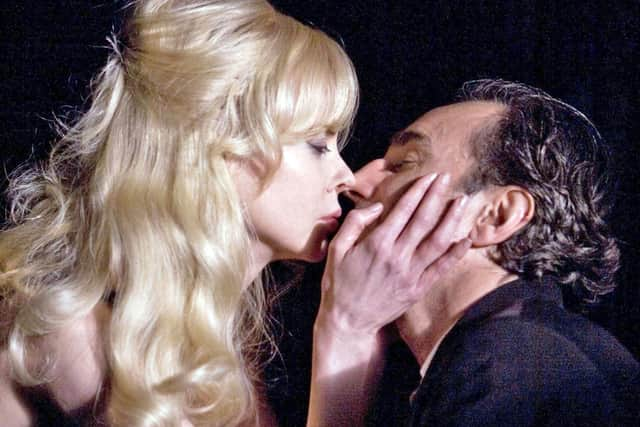
The hairstyle complemented the film’s elaborate costumes and vintage Hollywood aesthetic.
Warn, who worked with Kidman for around two decades, used John Frieda products to create the look.
He was also responsible for the actress’s hair on films including Eyes Wide Shut, The Others, The Hours and Birth, helping transform her appearance for a succession of very different characters.
Gwyneth Paltrow
At the 2011 Academy Awards, Gwyneth Paltrow wore a metallic Calvin Klein gown with blonde poker-straight lengths and a glossy, almost glass-like finish.
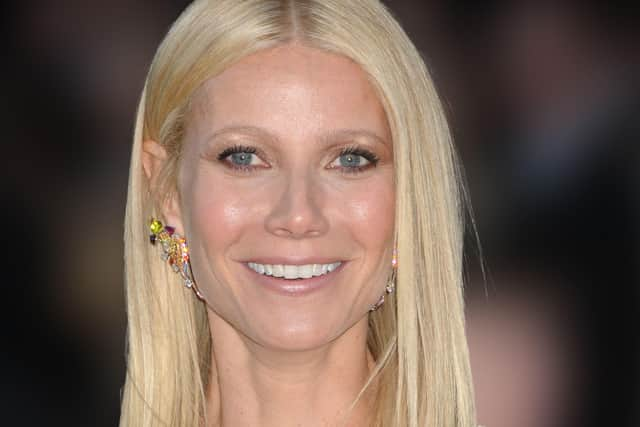
The minimalist hairstyle was created by Harry Josh, John Frieda’s international creative consultant, using products from the hairstylist’s Frizz-Ease range.
Rather than the elaborate updos created elsewhere for that year’s Oscars, Paltrow’s hair was deliberately understated, with the simplicity of the style complementing her silver gown.
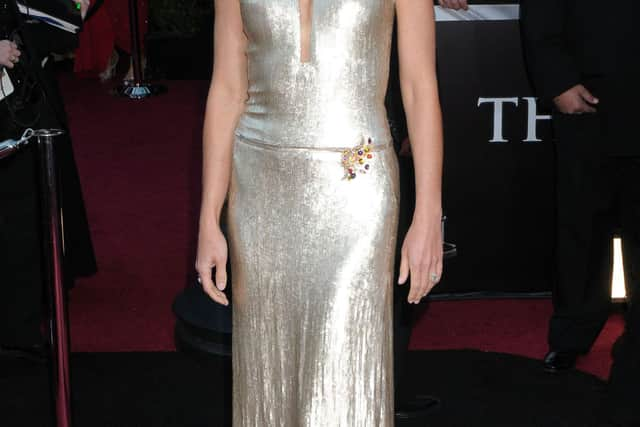
It was a look that captured the growing preference for sleek hair in the early 2010s, and demonstrated the influence of Frieda’s wider team on Hollywood beauty.
Frieda’s influence was not limited to the celebrities who sat in his chair. Reflecting on the 50th anniversary of his salon business in June 2026, Frieda told the British Beauty Council: “Whatever I set my mind to, I want to do it better than anybody else.”
He continued: “Every day when I walked into the salon I would look around, and say, ‘Okay, what can we improve?’… I never wanted to rest on my laurels.”