
Woman who hid severe sight loss from dates for years says her guide dog is the best ‘icebreaker and wingman’
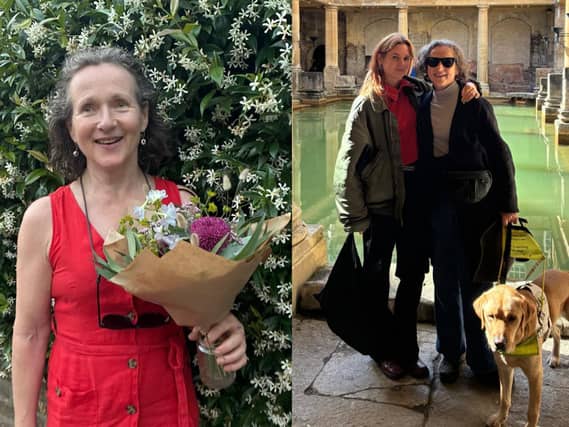

Ann Griffin was diagnosed with a genetic eye condition in 2010 but hid it for years, until a guide dog gave her the confidence to accept herself.
A blind architect who hid her sight loss from potential partners and avoided using her white cane on dates has revealed how her guide dog helped her regain her confidence and embrace dating again.
Ann Griffin, 62, from London, was diagnosed with a genetic eye condition in 2010 and experienced a dramatic deterioration in her vision five years later, leaving her severely sight impaired.
The mother-of-three, who had previously been married twice, spent six years without dating before joining Hinge, where she chose not to disclose her disability.
She feared men would see her visual impairment before getting to know her, and even avoided using her white cane when meeting potential partners.
But Ann said her life changed when she received her guide dog Ralf, who transformed the way strangers interacted with her and helped her feel comfortable with her identity again.
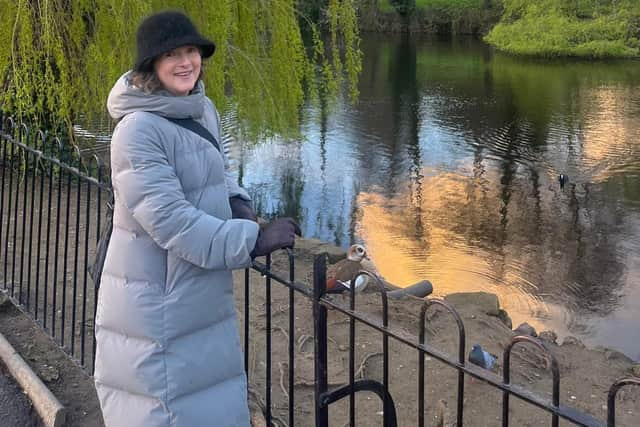
She told Press Association Real Life: “Overnight it went from people seeing me as a disabled person with a white stick to me being a real person again.
“It was like flipping a switch. It was absolutely incredible.”
Ann, who is mother to Olivia, 34, Eva, 27, and Ruth, 26, had enjoyed good eyesight for most of her life.
One of the first signs that something was wrong came during a family holiday in Anglesey, when she struggled to find a bright pink ball while playing beach tennis with her daughters.
She recalled: “The girls were saying, ‘What’s up with you? The ball’s just there.’
“Because it was in a blind spot, literally. It was right in front of me, but I couldn’t see it until I scanned.”
After attending an optician, Ann underwent further tests and was eventually diagnosed with retinitis pigmentosa at Moorfields Eye Hospital in London around 2010.
The genetic condition affects the retina at the back of the eye and causes the retinal cells to gradually stop processing light, leading to vision loss, according to Guide Dogs.
For several years, Ann’s sight remained stable and she continued working and raising her children without major difficulties.
But between 2015 and 2016, her vision deteriorated dramatically.
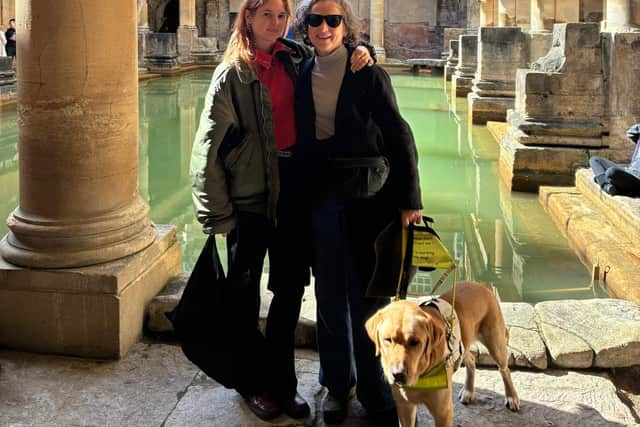
She said: “My eyesight just fell off a cliff in 2015.”
The deterioration coincided with an exceptionally stressful period in Ann’s personal life, during which she was divorcing her second husband, selling the family home and establishing a new architectural practice.
She said: “There’s a list, isn’t there, of the most stressful things you can do in life, and I did them all at once.”
Ann was left with a small area of useful vision but struggled to adapt to her changing circumstances.
She initially refused to use a white cane, despite frequently tripping over obstacles.
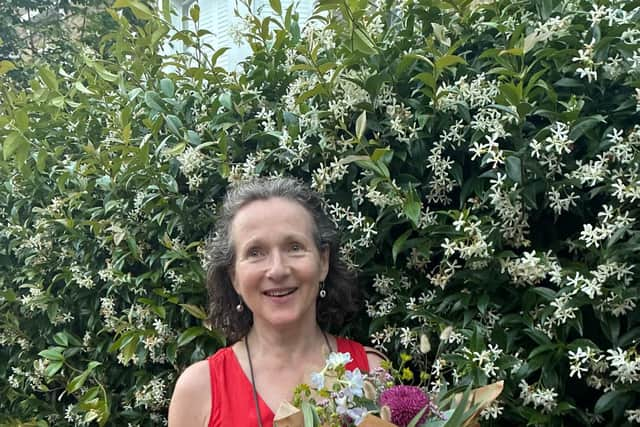
She said: “I didn’t even want to use a white stick for a couple of years.
“I just used to fall over a lot and got very good at falling over.”
Ann also feared that disclosing her visual impairment could affect her career in architecture, which she described as a male-dominated profession.
She said: “I was kind of basically faking being fully sighted, which was quite stressful as well.”
Eventually, Ann began using a white cane but found people’s behaviour towards her changed.
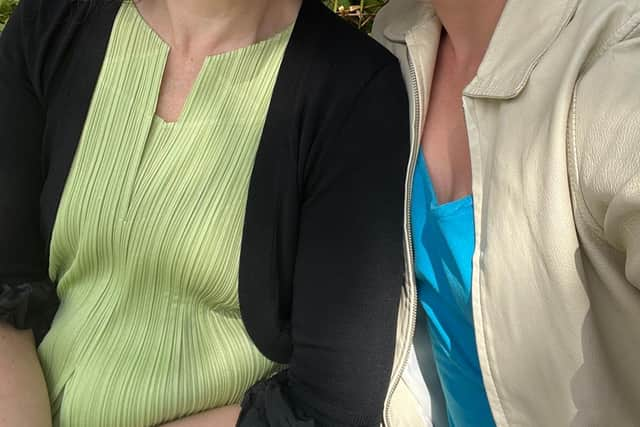
She recalled strangers speaking to whoever accompanied her rather than addressing her directly, or handing her change to another person after she had paid.
She said: “I did feel quite invisible and I felt disabled by the people I met rather than by my disability.”
Ann said she did not date for around six years while adjusting to her condition, but during the Covid lockdown in 2020, her eldest daughter Olivia encouraged her to join dating app Hinge – though Ann decided not to mention her visual impairment on her profile.
She explained: “You only get three things to describe yourself.
“I thought, well, it’s not 30% of me.”
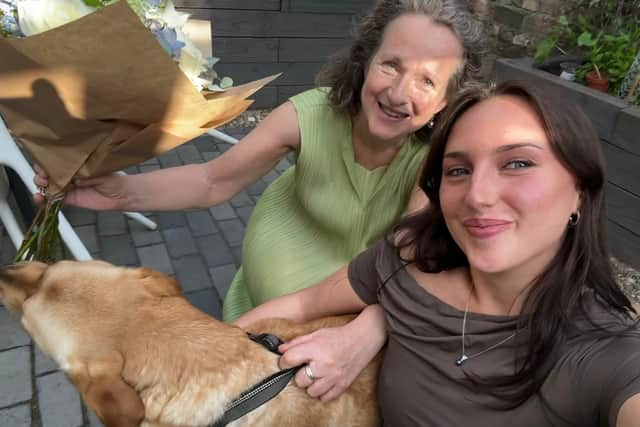
Initially, video dates provided an opportunity to meet people without having to explain her sight loss, but Ann found it difficult to broach the subject when she began meeting men in person.
She recalled telling one man about her condition on a second date, only for him to respond: “It’s not everything, but it’s not nothing.”
She later dated another man for six months, but avoided using her white cane when they went out together.
Instead, she would link arms with him or arrange dates involving walks with her pet dog.
She said: “I don’t know how to broach the white stick.
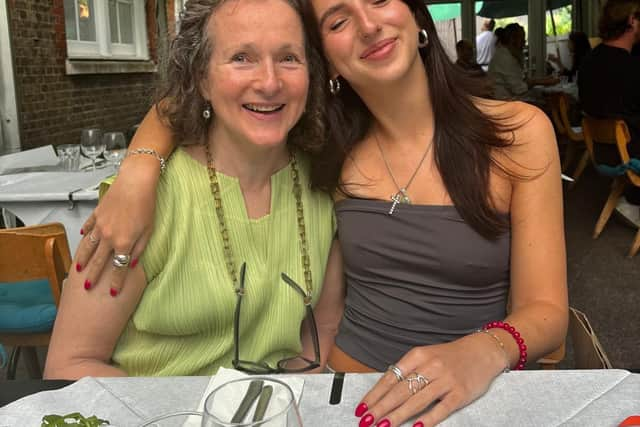
“I just found the whole thing really scary and really difficult.”
The man, whom Ann told about her condition on their second date, later described her visual impairment as a “hurdle” he would have to overcome – though the relationship eventually ended for other reasons.
However, Ann said getting her guide dog Ralf in March 2025 brought an unexpected transformation.
Ann explained that although she had already been physically independent using her white cane, Ralf – who is a Labrador retriever cross “goldador” – changed the way people approached her.
Instead of avoiding her or speaking to her companions, strangers began stopping to chat about her dog.
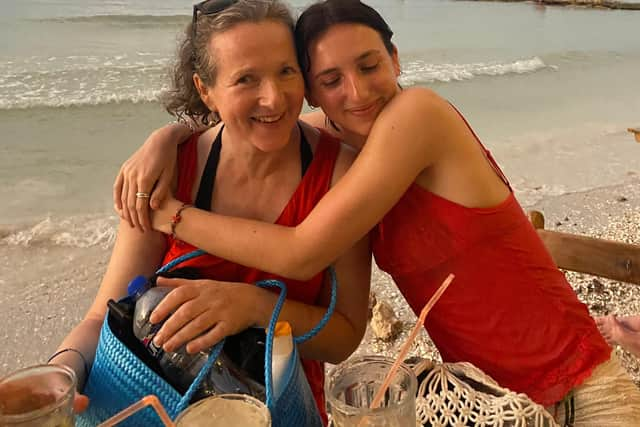
She said: “Everyone loves a dog, so it’s suddenly this great connection and everyone wanted to talk to me.”
Ralf has also helped Ann make new friends, including people she would never previously have spoken to.
She added: “Ralf’s been the icebreaker, the wingman, whatever.”
Having watched Channel 4’s First Dates with her daughters, Ann agreed to appear on the programme after one of them encouraged her to apply.
Although the date did not lead to a relationship, the experience encouraged Ann to be more open about her sight loss.
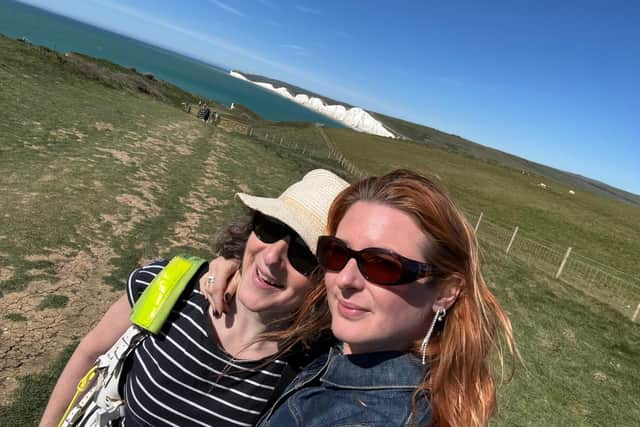
She said: “Through that process, I went from, ‘I think I’ve got to try and suppress it,’ to, ‘I want to own it.’”
Ann is no longer using dating apps and hopes to meet someone naturally, saying she would now be more upfront about her disability.
She said physical appearance has become less important to her than someone’s voice, humour and personality, and she joked that her ideal man would have a voice like Idris Elba.
Now comfortable with her disability and happy with her independence, Ann said she is open to finding love, but no longer feels she needs a partner to complete her life.
She said: “This is how I look. I’m happy. Take me or leave me.”
This year Postcode Lottery players are helping Guide Dogs to fund life-changing partnerships like Ann and Ralf. To find out more about Guide Dogs, visit guidedogs.org.uk.