
Churches and faith groups across Limerick urged to tackle biodiversity
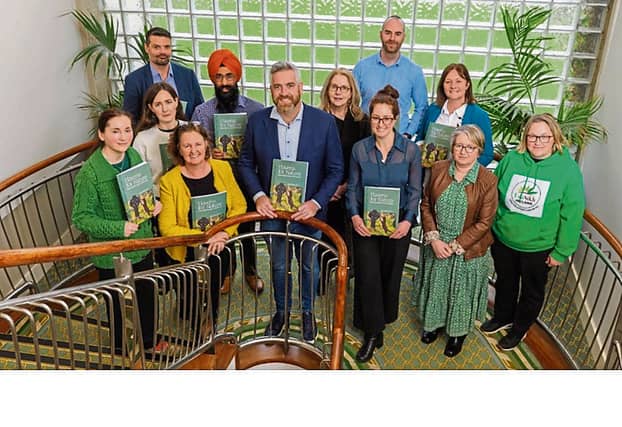

Havens for Nature: Supporting Biodiversity in Faith Grounds was commissioned by the Heritage Council

FAITH communities across Limerick are being encouraged to play a leading role in tackling the biodiversity crisis with the launch of a new booklet
Havens for Nature: Supporting Biodiversity in Faith Grounds was commissioned by the Heritage Council in collaboration with local authority biodiversity and heritage officers.
The booklet invites churches and faith groups to return at least 30% of their grounds to nature by 2030, helping to create a nationwide network of wildlife-friendly spaces in towns, villages and rural areas. Many faith grounds already hold significant potential for biodiversity, often sitting at the heart of their communities.
Sinéad McDonnell, Limerick City and County Council biodiversity officer said: “We have enjoyed working with faith communities over the last 18 months and are happy to offer advice into the future on practical ways to care for existing features with simple, low-maintenance actions like reducing mowing, planting locally sourced native trees, and using more wildlife-friendly lighting which can make a real difference for pollinators, birds and bats, while still respecting built heritage”.
Churchyards, graveyards, parish centres and other faith-owned lands can support pollinators, birds, wildflowers and other wildlife with relatively small changes in how they are managed. The booklet outlines practical steps for identifying areas suitable for nature, managing land sensitively, involving volunteers, and communicating biodiversity actions with local communities.
Reflecting the diversity of faith life in Ireland, the booklet includes examples from Catholic, Church of Ireland, Sikh and Buddhist communities, demonstrating how different types of faith-owned land can contribute to biodiversity recovery.
By adopting the 30% by 2030 target, faith communities in the county can make a meaningful contribution to local biodiversity while also creating more welcoming, peaceful spaces for people.