
eir expands high-speed fibre broadband network across Limerick

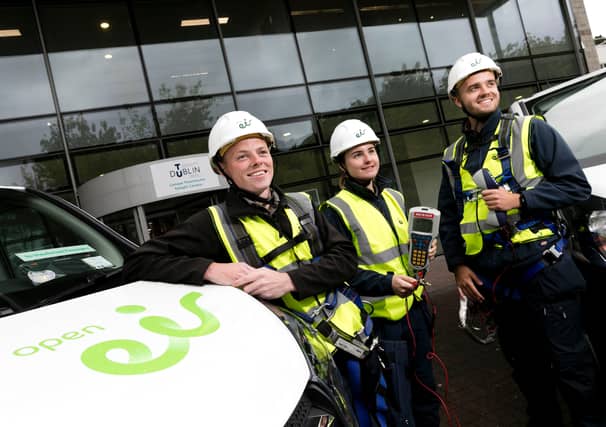

IRELAND'S largest telecommunications provider, eir has announced that an additional 1,187 homes and businesses across Limerick can access gigabit fibre since the start of this year, according to new data from its fibre-to-the-home (FTTH) broadband roll-out programme.
The fibre build project is already 72% complete in Limerick, with 59,859 homes and businesses now having access to high-speed fibre connection, following investment of over €37 million into the Limerick network.
On completion, the network will serve 83,000 premises across Limerick city and county, facilitating broadband speeds up to 100 times faster than a traditional copper network.
As well as faster speeds, eir’s full fibre network reduces environmental impacts by reducing carbon emissions when compared to copper networks.

Nationwide, more than one million homes and businesses are now fibre-enabled by eir, with the support of an ambitious investment strategy that will see eir investing €2 billion in infrastructure by the close of the rollout programme in 2026.
Commenting on the progress of the FTTH broadband roll-out programme, Oliver Loomes, CEO, eir said: “Data for the first half of 2023 shows we’re ahead of schedule in delivering high-speed broadband to 84% of premises in Ireland by 2026. eir’s commitment to providing high-speed connectivity is not only about opening up new opportunities for how we live, work and connect, but also about making Ireland one of the best countries in Europe for broadband speed and accessibility.
"eir’s fibre network is not only more sustainable and energy-efficient, but also more resilient, reducing the need for repairs. We are proud to be part of Ireland's journey towards becoming one of the best countries in Europe for Gigabit Fibre broadband.”
The telecommunications company has invested over €1 billion in its network and expects to spend €250 million per year until the end of 2026 in expansion, aiming to pass 1.9 million premises with FTTH broadband by 2026, representing 84% of homes and businesses in the country.