
Limerick community's anger over rent rises

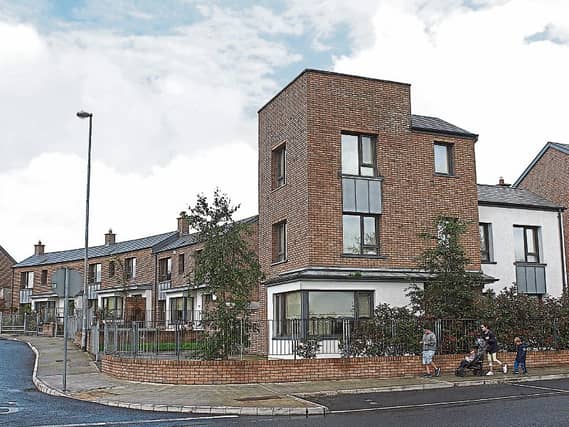

THERE is anger in a Limerick community after it emerged the rents paid by council tenants are to rise.
Locals in Moyross are fuming after being told their weekly rent is going up from approximately €80 to between €105 and €115 a week.
Local activist Dean Quinn said it’s inappropriate to hike rents during the Covid-19 pandemic.
“Families are struggling to put food on the table. It’s absolutely appalling for the council to make that decision. Who in their right mind could give €112 a week? It’s just not fair. They are crucifying people who are out of work, who are relying on social welfare,” he said.
Average rental rates in the private sector in Limerick stand at €1,019 a month – or €254 a week – according to data released in December from the Residential Tenancies Board.
Mr Quinn, who lives in Sarsfield Gardens in the northside estate said he is “disgusted” with the local authority for the decision, and claimed his phone has been “bombarded”.
“It’s putting more pressure on families who are struggling to put food on the table, pay the electricity bills, pay rents and pay for fuel to keep the houses warm. How can you stoop so low,” he asked.
A spokesperson for Limerick City and County Council confirmed the increase, and said it comes about due to the single harmonised rent scheme which was introduced in February last year.
“This provided a simplified scheme to replace the various different methods of calculation previously used in the city and county areas, which was causing confusion. The introduction of the new single scheme was publicised widely and all individual tenants were written to explaining the situation. Prior to this new scheme a number of city estates had been subject to maximum rents of either €60 or €90, regardless of the income of the household,” the spokesperson explained.
The new scheme, they added, means that tenants across the city and county will pay the same rate.
It was introduced over a staged period of time, the spokesperson added to avoid a “sudden and significant impact” on affected homes.
“For example, those on a maximum of €60 would see their limit increase to €80 in year one, €110 in year two, and €160 in year three. Some households would not be affected at all, depending on the income of the household members. We are now in Year two, and affected households have recently been advised accordingly,” they added.