
Limerick language company urges better pay for interpreters

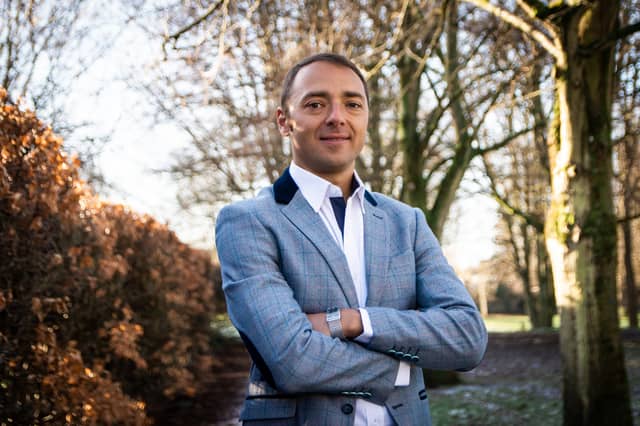

THE BOSS of Limerick language specialist Translit has called for better pay for interpreters going into the New Year.
Alex Chernenko spoke out amid an increasing number of people from different countries now setting up home in the city and county.
Translit, which also has offices in Cork, works with thousands of translators worldwide, and is looking to collaborate with the government and Irish Translators and Interpreters Association to improve conditions in the sector next year.
Around 200 different languages are spoken across Ireland, with around 60,000 Ukrainian refugees joining the population this year.
Mr Chernenko, who is a Ukraine native and former interpreter, says it’s time for a collaborative effort, especially when there is an energy, housing, and cost of living crisis.
"We know the hardships that many interpreters are facing at this time of the year and it’s important that they get renumerated for the difficult job they undertake on a day-to-day basis," he said.
The businessman said some freelance interpreters can earn as little as €20,000 a year, with better wages only really available in the multi-national sector.
"Interpreters who work on-site, have to travel to venues and the time travelling isn’t normally paid for. They may be gone for four or five hours but only one is a billable hour, the rest won’t be covered. But these people work in hospitals, they work in garda stations, in courts, all without being recognised as important members of society," he said.
Translit is unlike many company in that it does pay travel expenses to interpreters.
"I am an interpreter myself, I used to speak six languages and interpreted for years before I set up Translit, and it’s amazing that things haven’t even regressed since 2009," he said, "We want to work with the government and ITIA to improve everything across the board but we know that this starts with pay and this needs to start now. People need to be encouraged to stay in the profession but young people also have to be enticed into it in order to maintain and improve the quality of interpreting across the board.”
In the past, the ITIA previously raised concerns about the quality of interpretation in Ireland due to the lack of a national standard for training and accreditation.
Mr Chernenko believes that by upskilling the casual interpreters and providing better pay, it will lead to improved channels of communication between the government and the increasing number of migrants moving to Ireland.
Translit’s new training division, Translit Pro, has already helped to upskill over 100 community interpreters across Ireland, with the vast majority of these coming from Ukraine.
"We recognised that there was a dearth in the interpreting sector in Ireland and set up our own training division in 2020 and we are delighted with how that has grown since," he said, "This year we saw thousands of Ukrainian refugees move to Ireland and we wanted to help them relocate and make an impact in their new local communities. Many of these community interpreters now have paid jobs but they too are struggling and we will endeavour to help in any way we can."