
Limerick man appeals conviction for raping his younger brother
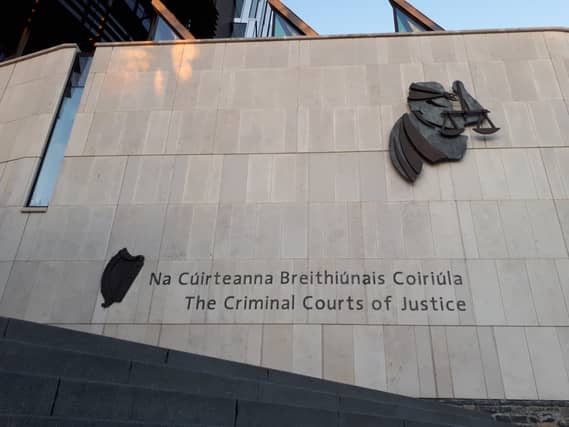

A LIMERICK man who was jailed for raping his brother has appealed his conviction, arguing that his younger sibling could have made up the complaints in anger because the defendant "outed" him as gay before their parents.
The 38-year-old, who cannot be named to protect the anonymity of the victim, was sentenced to eight-and-a-half years' imprisonment in February of this year on seven counts of raping of his younger brother.
At the trial, the man's younger brother said he once looked up to his older sibling but that he stole his innocence and left him deeply scarred.
At the sentencing hearing following a three-week trial, Judge Karen O’Connor said the man was “a big brother who should have protected his younger brother”.
The abuse, which took place between January 1998 and December 2002, usually occurred at the family home in County Limerick.
In his victim impact statement, the younger brother said he was at court “not for me, the adult you see before you, but for that ten-year-old boy that forever occupies my being”.
The male was convicted by unanimous verdict of seven counts of rape at the Central Criminal Court in Dublin in December 2021.
At the Court of Appeal this Friday, Colman Cody SC, for the convicted male, said a disallowed line of questioning should have been permitted to be heard by a jury in order to establish the complainant's credibility.
Mr Cody said that the older brother had "outed" his younger sibling to his parents and told them of his sibling's meetings with men in hotels and further told them he was bringing "strangers" back to the family home without their knowledge.
The barrister said the claims by the older brother were prevented from being put to the younger brother in cross-examination by the trial judge.
Mr Cody said that the "outing" of the younger brother to their parents coupled with the descriptions of his younger brother's sexual behaviour could have angered the younger sibling so much that he made up the complaints.
He submitted that this line of questioning was not about "impugning" the victim's reputation in front of a jury, nor was it a "character assassination". He said the issue of the older brother's descriptions of his brother's homosexual activities going before a jury was in the interest of the fairness of the accused's trial.
The barrister said that the trial judge in not permitting the line of questioning meant the defence was not allowed to give full effect to a fair trial regarding motivation and credibility and therefore the court had fallen into error.
Patrick McGrath SC, for the State, said the defence was "attempting to conduct a character assassination" of the victim.
Mr McGrath said the defence was attempting to suggest to the trial jury that the allegations were "motivated by ill will, spite or a grievance against his brother" for what he had said to their parents.
He submitted that the trial judge had to balance the right to the fair trial of the accused with respect for the complainant and that she had struck that balance "directly".
Mr McGrath said that the descriptions of the younger brother's activities being put before a jury was an attempt to call into question his credibility.
Ms Justice Úna Ní Raifeartaigh noted that if the trial judge had ruled out anything that could have made a difference to the case's outcome then it would be an error in law.
Mr Colman argued that because the line of questioning regarding possible motivations for making the rape claims was not allowed at the trial it amounted to "unfairness".
Mr Justice John Edwards said the court would reserve judgement in the matter.