
Limerick mental health intervention service has attended over 1,000 incidents since its inception
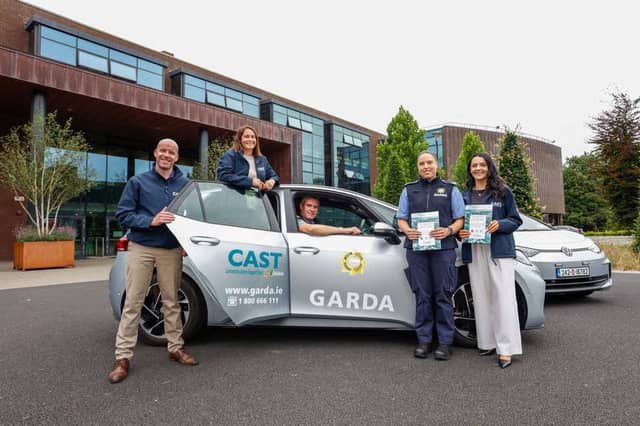

What makes the initiative one-of-a-kind are the post-incident callbacks and follow-ups as this offers emotional support during high-risk periods for a vulnerable person
A MENTAL health intervention service, created in Limerick, that specialises in assisting those with complex and overlapping vulnerabilities, was at the centre of the inaugural European Co-Responder Conference, which took place in Limerick.
The Community Access Support Team, better known as CAST, brings together both gardai and HSE professionals in a joint response which prioritises early intervention, de-escalation, clinical assessments and access to care for those in crisis.
This is opposed to default reliance on detention or other coercive pathways
CAST was created following a substantial increase in the level of contact between gardai and individuals experiencing ill mental health.
Typically in the past, gardai often became default responders to those in crisis due to limited clinical alternatives.
This led to those in need often being met with enforcement-led responses, which could cause more distress to the ill person, as well as resource strain for authorities.
Now, with the introduction of CAST, there has been a shift to a collaborative, person-centered response, which has improved outcomes for all involved, including reduced repeated crises, 999 calls and criminalisation of a mentally unwell person.
At the inaugural European Co-Responder Conference, which took place on November 5 and 6 in Gardens International on Henry Street, it was heard that the team use a three-tier model to address immediate crises and underlying repeat emergency factors, effectively.
When a call comes in, trained garda members, including a sergeant, collaborate with a clinical nurse specialist to assess risk and de-escalate the crisis in real-time, along with the help of a social work practitioner and social care worker.
What makes the initiative one-of-a-kind are the post-incident callbacks and follow-ups as this offers emotional support during high-risk periods for a vulnerable person.
CAST is a multi-agency support forum, coordinating case management among gardai, health, housing and addiction services.
Since its inception, the pilot has had a huge impact for both gardai and those in need.
So far, CAST has delivered over 6,300 operation hours and attended over 1,043 incidents.
The support forum has reduced unscheduled incidents by 52% and emergency psychiatric presentations by 43%.
At the conference, it was heard that these figures relate to 29 individuals classed as frequent users of blue light services.
CAST also prevented not only detentions but emergency department visits and arrests, while the callback system supported high-risk individuals post-crisis.
This is of huge benefit considering 30% of 999 calls previously related to a person experiencing ill mental health or some form of vulnerability.
During a presentation on policing priority, a statement at the conference read: “The solution isn't to transform a clinician into a police officer or a police officer into a clinician. Instead, success depends on both practitioners excelling at their unique responsibilities and trusting each other to perform roles, support each other and yield to one another’s expertise.”
The six-person team is full-time and, together, they have reduced pressure on garda resources, reduced emergency department demand, improved interagency coordination and provided a better community of care.