
Limerick women discuss different contraception options
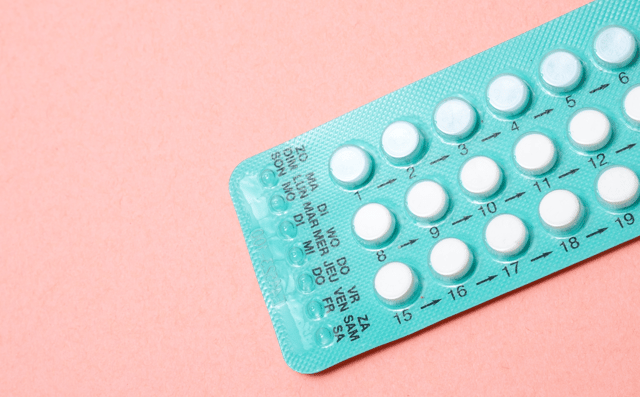

WHEN it comes to the use of contraception, Ireland has one of the highest rates in the world.
That’s according to a report from the United Nations, which revealed 66% of the women aged between 18 and 45 use contraception.
Limerick Consultant Physician and Endocrinologist, Dr Mary Ryan said that contraception is about “what works best for each patient, and what is easiest for them to take.”
There are over a dozen contraceptive options available , including condoms, female condoms, oral contraception, hormonal ring, UID, contraceptive injection, surgical sterilisation, implant, coitus interruptus, vaginal douche, calendar-rhythm method, diaphragm, as well as the contraceptive patch.
After having a bad experience while on the pill, University of Limerick student, Molly Cantwell, chose to use a different form of contraception.
“I have the copper coil for over a year now. I had a really bad experiences on the pill, so I wanted to use something that didn't have hormones, she explained.
Although, Molly now wants to try out another method to regulate her period better.
“I’m looking at getting kind of like the lighter IUD, it’s the lighter hormonal one, just to have more control over my period,” she said.
If it was available, her partner would be willing to try the male contraceptive pill.
Speaking of the possibility of male contraception, Molly commented: “If there was an option for my boyfriend to be on birth control, I’d 100% considerate it.
He said so many times that he’d rather do that instead of me having to through side effects.”
Limerick city resident, Ellen Gough, also chose the coil as a contraceptive method.
“I’ve had it for two and a half years now. I ended up getting the coil after trying out other types of contraception. Over 10 years ago, I started on the pill like so many, but I found that taking it every day was a problem for me. I used to get quite nauseous taking it,” said Ellen.
For a couple of years, she used the patch – a method which releases a daily dose of hormones through the skin into the bloodstream to prevent pregnancy.
“That worked pretty well for a while. But I noticed, that my mental health was absolutely rubbish on it. It would get really bad, it was like I’d fall into a hole of despair. So, I ended up coming off of it because it was so bad,” she explained.
After a visit to The Limerick Family Planning Clinic, Ellen was advised to try another method that would suit her body more – and she went with the coil.
“It’s been brilliant ever since, and my mental health has massively improved. It’s definitely one of the best decisions I’ve made in terms of contraception”, Ellen commented.
According to Dr Mary Ryan, it’s about “what works best for each patient, and what is easiest for them to take.”
But there’s one more method that she believes should be talked about more.
“Once their families are complete, we advise women to encourage their partners to get a vasectomy, because we don't want women on hormonal treatment for life,” explained Dr Ryan, who works out of Limerick's Bon Secours Hospital in Barringtons.
The endocrinologist is concerned about the effect contraception has on women.
“A number of girls are being becoming sexually active at a very young age, and they'll be on the contraceptive pills for years. I suppose the studies aren't there to say, how safe is it for all these women to be taking all this hormonal pills for so long?,” she questioned.
Speaking of vasectomy, she noted: “It’s a painless procedure, it takes minutes – in fact, only seconds.”
For Dr Ryan, it’s in the interest of women’s health.
“It’s necessary because this is something that will stop women being on hormonal contraception until they become menopausal.”
“It just means that it's not all left to the girl, which it should never have been. We're now in a country where women are equally empowered as men and should be treated equally. And if they have to always be taking the responsibility, well that's not very fair, and it also isn't very equitable,” concluded Dr Mary Ryan.