
ANALAYSIS: The road to Thurles’ future needs to paved with more than good intentions

The Local Election may not bring about a lot of change, but maybe that's a good thing
In December last year, Fifth and Sixth Class students from St Kevin’s National School, Littleton, attended the monthly meeting of Thurles-Templemore Municipal District Council, which was held in the Muintir na Tire Hall.
The idea was to allow the pupils to see how local government works.
There wasn’t really any need to tell the children what issues would be discussed; they already knew all about them.
I spoke to one of the children’s teachers outside the hall, and he said they were most excited when councillors began talking about the Thurles bypass.
And no doubt, it was on the lips of those children’s parents and others when Local Election candidates called to the doors in recent weeks.
Because everyone, young and old, knows it’s roads, roads, roads in Thurles.
The current council has begun lobbying for the inclusion of the bypass in the National Development Plan.
The next council will need to continue to push that rock up that incredibly steep hill.
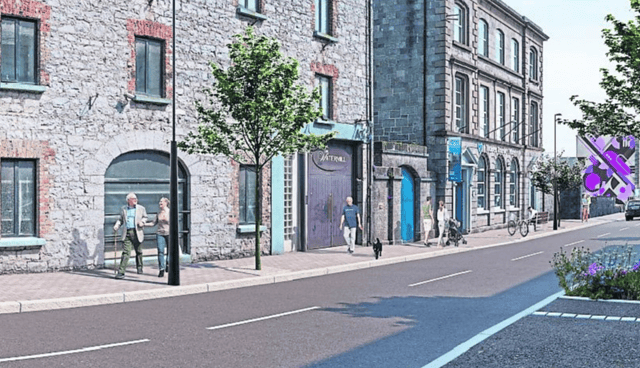
They will also need to oversee major works in the town on Kickham Street and the Slievenamon Road, the condition of which is deteriorating fast.
Those projects will need to be managed delicately as they have the potential to cause chaos in an already traffic-jammed town.
And, road issues are not exclusive to the town.
Turtulla Cross continues to be a serious safety hazard and has been for a very long time and traffic calming measures are needed in villages like Ballycahill.
Other issues voters may be thinking about include water supply services and broadband connectivity, especially in villages like Littleton, which are years away from the national rollout.
Flooding in Thurles is always a concern for residents and businesses alike.
It should be noted that the council is no longer responsible for water services and broadband connectivity is being rolled out by a national organisation.
Councillors will need to work with those groups to ensure their constituents get what they need.
The point is, the groundwork has been laid and there are projects started that will improve the lives of residents and the experience of visitors.
It is perhaps then a good thing that the next municipal council on the Thurles side of the district will not differ much from the old.
There are five seats and six candidates, four of which are incumbents and two new on the scene.
If both newcomers did get elected then there would still be three familiar faces, which should provide consistency and smooth transition from one council term to the next.
Those who may be elected for the first time will need to put aside party lines, popularity contests and personal projects, however well intentioned, because the work in Thurles is already in motion.
This is why the next council will need to be made up of steady hands and strong leaders.
Most of the candidates in the LEA are seasoned representatives at this stage, but there is something to be said for fresh blood too.