
‘Another layer of useless and expensive bureaucracy’ says Tipperary farmer as he calls for changes to new EU regulation

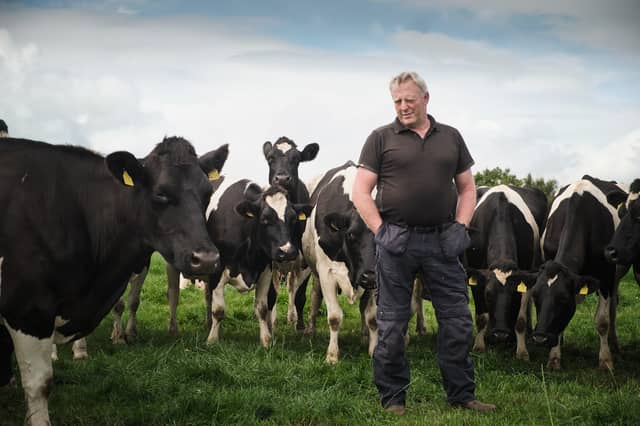

Tipperary farmer Michael O’Connell made the comments in response to the EU Commission's new Deforestation Regulation which will now be delayed until 1 January 2026
Tipperary farmer Michael O'Connell, who is also the Chairperson of the Irish Creamery Milk Suppliers Association's Livestock Committee, said that while the new regulation was welcome and made practical sense against the threat of particularly South American beef imports, this regulation would have to be re-visited to allow the use of existing data sources to verify the requirements of the Directive.
NO GPS
Mr. O'Connell wants “existing data sources” to apply to new EU Deforestation Regulations and wants a change to the EU regulations so that there is no requirement for “new animal traceability or GPS”.
"Why would we even contemplate yet another new system – with all the GPS and due diligence ‘palaver’ – when the existing Area Aid maps already provide the exact same information? It’s just ridiculous and adds yet another layer of useless and expensive bureaucracy to what is already a system that is groaning under the weight of superfluous regulation and processing”, said Mr O’Connell, who himself farms at Loughmore.
“A directive that should ensure that food products from deforested areas would not reach the EU consumer has been turned on its head and is now being repurposed into yet another administrative burden for Irish farmers - who already farm to one of the highest standards globally. The reality is that Irish food is being produced on land that is demonstrably not under the Deforestation requirements and we should not be required to implement a new expensive and burdensome system to verify this. The regulation should allow for our current LPIS system to verify compliance with no burden on the farmer or the meat processor. There is a simple and practical solution to this issue and – for once - the regulators should take it”, observed Mr O’Connell.
BIGGER ISSUES
A bigger issue that should be the real target of this Directive, said Mr. O’Connell is that "it is essential that the EU specifies how third country imports will have to meet these requirements and how - on a practical level – the EU will ensure beef does not come from deforested areas of south America undermining sustainably produced EU beef.
“This is where the focus of the Directive should be rather than imposing rules and regulations on people to whom the Directive has no relevance and for whom it was never intended”, he concluded.