
Irritable Bowel Syndrome explained – with nutrition recommendations to ease symptoms

In this week's Nationalist
With it being Irritable Bowel Syndrome awareness month it’s important to discuss this topic as for many, it can be extremely difficult to live with and can have a huge impact on one’s everyday life.
Here nutritionist Laurann O’Reilly and owner of nutrition by Laurann, explains what Irritable Bowel Syndrome is, including some of the causes, signs and symptoms as well as some tips for preventing and easing flare ups
What Is Irritable Bowel Syndrome?
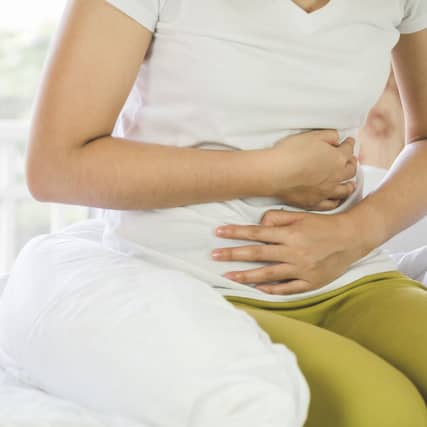
Irritable bowel syndrome or ‘IBS’ is a common condition that affects the digestive system. It causes symptoms like stomach cramps, bloating, diarrhoea and constipation to name a few. These tend to come and go over time, and can last for days, weeks or months at a time.
How Common Is IBS?
If you suffer from IBS, you are not alone, with many as 1 in 5 people in Ireland are affected. IBS affects approximately 20,000 people in Ireland, with females, especially younger females being twice as likely to be affected as males.
What Are The Potential Causes?
As our diets have become increasingly processed and unhealthy, this can often result in more digestive problems. As well as this, we are now less active than ever before, which can also lead to problems with digestion. Stress and anxiety are also thought to be major contributing factors to the increasing prevalence of IBS
What Are The Symptoms of Irritable Bowel Syndrome?
The main symptoms of IBS include:
Stomach pain or cramps – Which may be worse after eating and better after passing stools
Bloating/Flatulence – Your tummy may feel uncomfortably full and swollen, sometimes even solid to touch
Diarrhoea – You may have loose stools, which can sometimes be urgent
Constipation – You may struggle to pass stools
Some Other symptoms of IBS
Other symptoms of IBS can include:
Tiredness and a lack of energy
Feeling sick (nausea)
Backache
Frequent urination (needing to pee often)
Incontinence (not always being able to control when you pass stools, often with urgency)
What Are Some Common IBS Triggers?
IBS flare-ups can happen for no obvious reason.
Sometimes they have a trigger like:
* Oversensitive nerves in your gut
* Stress or anxiety
* A family history of IBS
* Alcohol
* Caffeine
* Certain foods, such as spicy or fatty food
* A woman's period (see more below)
* Food Intolerances (please feel free to contact me regarding this)
Did you know that IBS symptoms and periods are linked?
Ladies, you may have noticed that in the days leading up to a period or during your period that IBS symptoms tend to get worse. A recent study in women with IBS found that symptoms worsened prior to and during time of menstruation, with the most common symptoms experienced during a period being abdominal pain, frequent bowel motions and bloating. This is thought to be down to the fluctuation of hormones.
Some Tips To Relieve IBS?
Opt for home cooked meal using fresh ingredients whenever you can
keep a journal of what you eat and any symptoms you get – try to avoid things that trigger your IBS (I like to track energy, mood, sleep and symptoms)
Try to find ways to relax as it may be stress related
Get plenty of exercise, this helps to bring blood flow around your body and gets your digestive system moving
Do a course of probiotics, three months is usually sufficient to colonise the gut flora. I like the Udos Super 8 Microbiotics ( but keep them in the fridge).
Things To Avoid With IBS
Skipping meals or not eating enough throughout the day
Eating too quickly and/or too much too quickly
Eating high fat and processed and foods
Excessive Alcohol: As it can irritant irritate the gut
Caffeine – As some people are more sensitive than others, you can adjust your caffeine based on your symptoms.
Chewing gum – As this can cause you to take in extra air
Fizzy Drinks – Similar to the chewing gum, this can cause you to swallow extra air
What’s The Best Way To Soothe A Flare Up
Whilst it may seem tough at the time, the following may help. 1) Apply gentle heat, 2) Get moving (gently), 3) Stay away from trigger foods, 3) Have a soothing warm (decaffeinated) drink, such as a herbal tea, 4) Take time for self-care and to unwind from stress (you can’t fill from an empty cup)
If you feel you have IBS or you are unable to manage your symptoms please contact your GP, pharmacist or feel free to contact me at [email protected] if you have any questions.
IBS Friendly Recipe
Sweet Potato Brownies
This is a great recipe, using only the purest ingredients.
Ingredients (Serves 9)
450g Sweet potatoes, cooked and mashed
2/3 Cup Raw cocoa powder
1 Cup All-purpose flour
1/2 Cup Maple syrup
1 Teaspoon Vanilla Extract
1/3 Cup of Raw cocoa nibs
Instructions
Preheat oven to 180° Celcius and grease or line an 8X8 baking pan.
Blend the cooled mashed sweet potatoes in a food processor until smooth.
Add in flour, maple syrup, vanilla extract and cocoa powder and blend until smooth (batter shouldn't be runny, although it will be a thicker batter, you add almond milk one tablespoon at a time if you feel it’s too thick).
Add the raw cocoa nips and process for a few seconds to mix them in.
Pour brownie batter into the prepared pan in and bake for 25 to 30 minutes.
Remove from the oven (spoon a little almond/peanut butter on top if you wish at this stage).
Place in the fridge to set and slice when completely cooled.
Note: They can be stored in the fridge for 3 to 5 days or frozen and enjoyed later.