
23 patients with Covid-19 in Naas Hospital as Omicron wave appears to have peaked

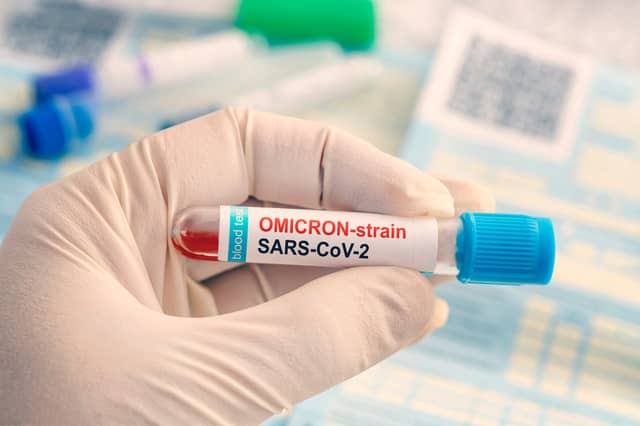

The number of Covid-19 patients at Naas Hospital remains stubbornly high but a Maynooth University expert believes the Omicron variant may have now peaked.
There were 23 confirmed Covid-19 cases at Naas Hospital up to Monday evening as well as three suspected cases.
There were two patients being treated in the ICU department.
These figures placed Naas outside the top ten hospitals with the most infections.
The highest number of Covid-19 patients were in Galway University Hospital (84) and University Hospital Limerick (72).
The HSE data also showed there were no general beds available in Naas on Tuesday morning as well as no ICU beds.
Professor of immunology at Maynooth University, Prof Paul Moynagh has said he believes the Omicron wave may have peaked, but that it is difficult to be completely sure.
Prof Moynagh said the positivity rate has been very high since Christmas but added that case numbers have peaked and are decreasing now.
He told RTE: “With Omicron, the incline was very, very steep, so we probably expect decline to be something similar and reflect that steep incline.”
Meanwhile Dr Tony Holohan, Chief Medical Officer, Department of Health said that people should not disregard mask wearing and social distancing as some rules on close contacts are relaxed.
He said: “As people get familiar with the latest public health advice on isolation and restriction of movements for cases and close contacts, the importance of other protective measures should not be disregarded.
“In particular, this latest guidance places an increased emphasis on the use by cases and close contacts of higher-grade face masks, as opposed to cloth masks.”
The expert said that other protective measures include strict limiting of social contacts for the full ten days following a confirmed Covid-19 infection or close contact.
Dr Holohan continued: “These combined measures are intended to offset any increase in risk of transmission that may result from the reduction and or removal of the requirement to self-isolate or restrict movements.
“It is now recommended that medical grade or FFP2 masks are used by anyone 13 years and older who is a confirmed case, a close contact or who has symptoms suggestive of Covid-19.”
FFP2 masks may also be used by those over 60 and vulnerable people of all ages in indoor or crowded outdoor places
Dr Holohan added: “Masks can play a key role in reducing transmission of COVID-19 if made correctly, well fitted and worn properly – that is they cover the nose, mouth and chin.
“By layering up on the basic public health measures, including vaccination, we can reduce the spread of Covid-19 and continue to protect ourselves and our loved ones from infection.”
He urged people to continue to practise social distancing and good hand hygiene, work from home and avoid crowds and cramped indoor spaces.