
Laois cattle man extols the Shorthorn breed


Cullohill farmer James Muldowney has taken the reins of the Irish Shorthorn Society
James Muldowney is looking forward to promoting the benefits of the Shorthorn cattle breed to farmers in Laois and elsewhere after his recent election as Irish Shorthorn Society President.
The pedigree and commercial suckler farmer breeds both pedigree Shorthorn and Shorthorn-cross cattle at his holding on the Laois-Kilkenny border where he also farms sheep.
As President, James will chair meetings, guide decision-making, and help with the strategic direction of the Society.
The President represents the members and is a voice for the members, ensuring concerns and interests are heard and addressed.
The President will also support the office staff (secretary and office administrator), working closely with the committee and liaising with governing and industry bodies.
A big part of the job is promoting the Shorthorn breed in Ireland. The Society represents both beef Shorthorn and milking Shorthorn cattle.
James has said that during his term as President, he would like to improve the market share of the breed in Ireland. He would like to see an increase in the use of Shorthorn genetics in the suckler herd and promote the use of easy calving Shorthorn bulls in the dairy herd.
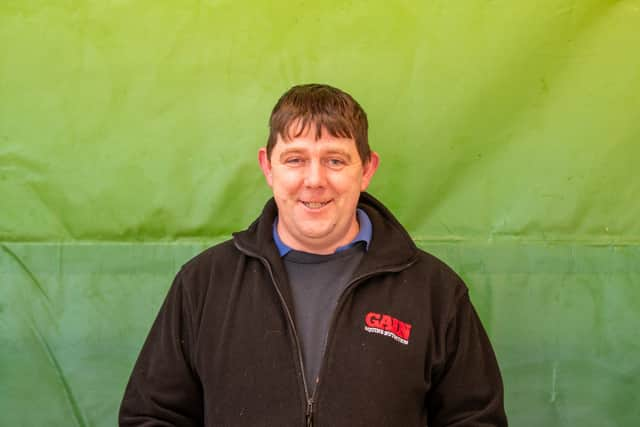
“We farm a suckler herd with 20% being Pedigree Shorthorn and 80% are commercial Simmental/ Limousin/ Blonde. We sell our pedigrees at sales and from the yard, while all the commercials are brought to slaughter (24-30 months for males & 22-24 months for females), except for the odd fancy one who is halter trained and sold at a sale. We also retain a few for breeding. We also have a flock of sheep that we lamb down in the 1st week of February and have all lambs sold by the end of June.
"Our land type is hilly, limestone land with rock close to the surface. It is good grazing ground, but we need the rain during the summer months, or we burn up with too much sunshine.
He recounts how the family got into Shorthorn.
"Dad and I went to a sale in Nenagh in 2003, where some Pedigree Shorthorns were advertised for sale. Dad always had a Shorthorn cow in the herd that we used for double suckling. I think Dad had an idea in his head when we went to the sale that this would be a way of keeping me interested in farming, as I was 23 and working off-farm at the time.
"He was great like that, and I think more farmers should do something different to keep the interest there for their sons and daughters, as doing the same thing day in day out can become mundane even if the love is there.
“In Nenagh, we bought 2 weanling heifers from J Brosnan, one never went in calf, and the other was in our herd up until 2017. Glounlea Mayflower 57th bred a lot of good stock, but was always slightly on the dairy end of the scale. A lot of her progeny SIX’s are still in the herd and are producing the goods.
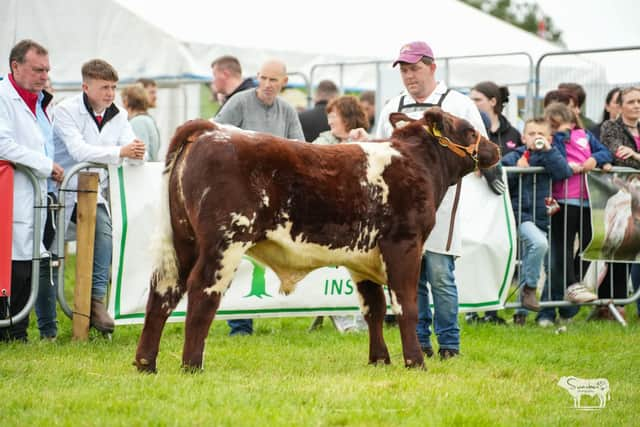
"We had been using Simmental and Charolais bulls in the last number of years, Charolais are probably the best beef animal out there but the big disadvantage is the gestation time as they all went three weeks over time and this really spread out the calving period, Simmental were great for getting replacement stock and crossed well with Shorthorn cow’s, but when you crossed Simmental on Simmental over the years I found carcass was dropping from R grade to O grade,” he said.
He explains Shorthorn's advantages.
“Since I started using a Shorthorn bull, my calving is back to 12 weeks, which is easier for all to manage. The SHX males go to Nenagh, and we receive the 15-cent bonus on top of the base price, which is a great help and using a Shorthorn bull on my pedigrees makes the job of getting them in calf much easier. Shorthorns are great in any herd; they give it all: easy calving, short gestation, good feet, high fertility, and most of all, you have an animal that you will be happy to go out and see every morning, colour and temperament.
READ NEXT: Laois leader of IFA insists the latest fuel support package must deliver savings after protests
"Showing cattle is why we went down the pedigree route, as it’s a great opportunity to meet like-minded people, and the rivalry is great and keeps us going throughout the summer. It opens many gates for friendships and the sale of your stock. I couldn’t recommend it enough.
"Kaelum and Katelyn also enjoy the showing, and hopefully Michael will get going shortly at it,” he said.
He is looking forward to what lies ahead.
"The future is bright for our farm, I feel, as Shorthorn genetics are on the rise and more farmers will look to have Shorthorn in some shape or form, whether it’s a bull or SHX females in their herd. Our farm is set up to give them that, and I hope to capitalise on that.
"SH can respond to low-input farms or intensive dairy farms, giving the low-input farmer an animal that is easily fleshed and can be finished on grass. For an intensive dairy farm, it gives them a calf that can be sold easily. They also suit the big commercial suckler farmer who is looking for a cow to produce the fancy roan or great replacements with milk and fertility,” concludes the Cullohill man.