
Speeding on the old road to Dublin lands Laois driver on Operation Slow Down Garda release


A motorist was clocked driving at more than 30 km above the speed limit on the old road to Dublin near Portlaoise on the morning of National Slow Down Day.
In the first update from Garda HQ on Tuesday, February 28 a driver was caught doing 113km/h in an 80km/h zone on the R445 at The Heath.
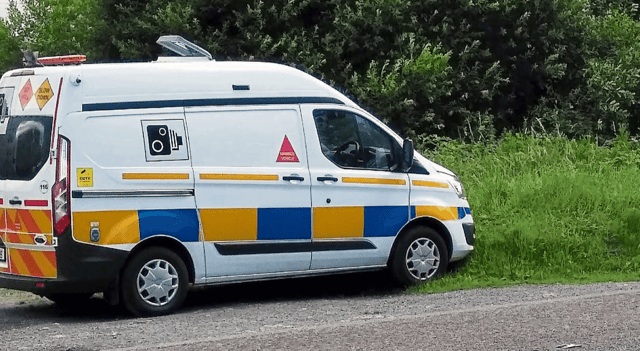
In the first two hours of National Slow Down Day, gardaí said GoSafe checked the speed of 36,679 vehicles and detected 69 vehicles travelling in excess of the applicable speed limit.
The Garda and Road Safety Authority (RSA) operation runs for 24 hours from 7am on Tuesday to 7am on Wednesday, March 1.
Other examples of high speeds on Tuesday morning include:
- 117km/h in a 50km/h Zone on the N6 Baile An Phoill Gaillimh Gaillimh
- 77km/h in a 60km/h Zone on the Castleblaney Rd Carrickmacross Monaghan
- 122km/h in a 80km/h Zone on the N4 Doddsborough Lucan Dublin
- 121km/h in a 100km/h Zone on the N21 Rineroe Adare Limerick
- 138km/h in a 120km/h Zone on the M6 Killavally Tyrrellspass Westmeath
- 76km/h in a 50km/h Zone on the Limerick Road Mallow Cork
- 75km/h in a 50km/h Zone on the Castletown Road Dundalk Louth
- 66km/h in a 50km/h Zone on the Skehard Road Cork Cork
- 63km/h in a 50km/h Zone on the R561 Castledrum Castlemaine Kerry
- 72km/h in a 60km/h Zone on the R515 Garrynderk South Kilmallock Limerick
- 120km/h in a 100km/h Zone on the N18 Clonmoney West Bunratty Clare
- 120km/h in a 100km/h Zone on the N4 Culleen Beg Mullingar Westmeath
- 113km/h in a 100km/h Zone on the N15 Drumnagahan Donegal Donegal
Gardaí say the aim of "Slow Down Day” is to remind drivers of the dangers of speeding, to increase compliance with speed limits and act as a deterrent to driving at an excessive or inappropriate speed. They add that the overall objective is to reduce the number of speed-related collisions, save lives and reduce injuries on our roads.
The guards say it is important to remind drivers at this time of year, the end of the winter period, when road conditions begin to improve and driver behaviour can change in line with that. They say any increase in speed contributes significantly to the severity of any road traffic collision.
Last year, gardaí reported that fatal and serious injury road traffic collisions increase with 156 people fatally injured, the largest death toll on our roads since 2016. They said January of this year had the highest number of road deaths of any January in 10 years, with 20 fatalities.
A statement said recent garda enforcement data and RSA research demonstrate that drivers continue to speed. During 2022, 73% of fatal collisions occurred on rural (80km/h or more) roads with 27% on urban roads. Gardaí say it has been estimated that 30% of fatal collisions are the result of speeding or inappropriate speed.
Chief Superintendent Jane Humphries, Garda National Roads Policing Bureau said: "It is important to thank all of those drivers who do the right thing and drive not only within the necessary speed limits, but at speeds that are appropriate to the conditions. However, each and every day across the country we continue to detect drivers travelling in excess of the speed limit.
"We know that a reduction in average speed will bring about a reduction in fatal collisions, and therefore reducing motorists’ speed is essential to improving road safety. Last year sadly saw an increase in fatalities on our roads, we have a collective responsibility for keeping each other safe on the road and I’d appeal to all road users to think about how their actions can have an impact on the lives of others.
"We are asking all drivers to support our National ‘Slow Down’ Day not just on ‘Slow Down Day’ but every day. If we all slow down a little, we can make a big difference,” he said.
Sam Waide is the CEO, Road Safety Authority.
"Excessive speed continues to be a leading contributory factor in fatal and serious injury collisions in Ireland and internationally. It has been estimated that 30% of fatal collisions are the result of speeding or inappropriate speed. Evidence shows that many drivers are choosing to speed in our towns, villages and on rural roads.
"The RSA’s Free Speed observational study found that half of all drivers (52%) were observed speeding on urban roads and over a quarter (27%) were speeding on rural roads. This National Slow Down Day, and indeed every day, please remember the faster you drive, the more likely you are to crash which could result in death or serious injury. Slow down – drive at a speed that is appropriate to the conditions and your experience and remember a speed limit is not a target,” he said.
Gardaí say the operation will consist of high visibility speed enforcement across the road network. They say they will also deliver the message through various media channels to remind people of the potential impact on families and communities of speeding.
Government Departments, Local Authorities, Public and private sector fleet operators are invited to participate in the initiative by circulating to employees the key message of "Slow Down” and, whether driving for business or private purposes, to always drive within the speed limit and at a speed appropriate to the prevailing conditions.