
Roscrea Mother and Baby Home court case will be heard in November

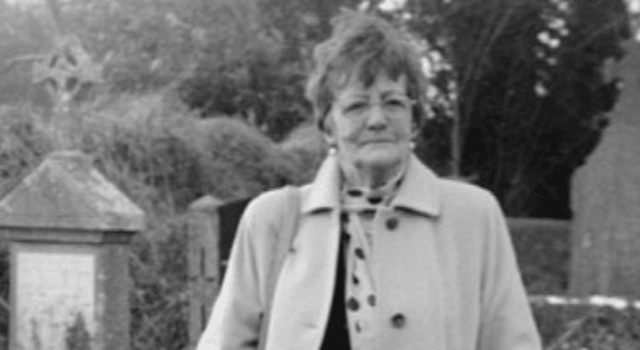

PHILOMENA LEE, who was sent to the Sean Ross Mother and Baby Home in Roscrea when she was aged 18 after she became pregnant, is bringing one of two test cases to the High Court.
The two test cases, involving Mother and Baby Home survivors seeking judicial reviews, are set to be heard by the High Court in November.
The cases, brought by retired nurse Philomena Lee and Mary Harney, who was born in the Bessborough Home in Cork, will be heard on November 17 and 18, it was announced last week.
Eight women, some of whom cannot be named, are seeking judicial reviews of the final report of the Commission of Investigation into Mother and Baby Homes.
A test case is one brought forward that would then set a precedent for future similar cases.
Last week Mr Justice Garrett Simons asked Philomena Lee and Mary Harney’s legal teams and the State’s solicitors to agree a date for the hearings.
The challenges are against the Minister for Children, the Government, Ireland and the Attorney General and focus on both women's claims the controversial Commission for Investigation into Mother and Baby Home's report does not accurately reflect their lived experience in the Homes.
Orders preventing identification of some of the applicants have been made, but an anonymity order was not sought in the case by Ms Lee, who was sent to the Sean Ross Abbey Mother and Baby Home in Roscrea when she became pregnant aged 18. When her son was aged three, he was sent for adoption by a US couple.
Her life was the subject of a book, The Lost Child of Philomena Lee, by Martin Sixsmith, and a major international blockbuster film, Philomena, directed by Stephen Frears and starring Judi Dench and Steve Coogan.
Ms Lee’s evidence was that she was not given any time to consider a document which she was told to sign and which relinquished her rights to her son, the Court heard last week.
Legal documents submitted on her behalf in April stated that there are “numerous findings of the Commission in its final report which are at odds with the testimony provided on affidavit to the Commission”.
Philomena Lee says the Commission did not provide her with a draft of the report “or any relevant part of the draft report as required by section 34 of the Commissions of Investigation Act 2004″.
Mary Harney, who was born in the Bessborough Home in Cork in 1949, says she is identifiable in the Commission’s report and wants an opportunity to make submissions on the findings concerning her in the draft report.
Had she had that opportunity, she could have said the commission should not have omitted evidence she gave to it of abuse and neglect while boarded out between 1951 and 1954, she claims.
Mari Steed, with an address in Virginia, US, was born in the Bessborough Mother and Baby Home, Cork, in 1960 and adopted by an American family in 1961.
She says her rights were damaged by being subject to the Quadrivax vaccine trial while in the Bessborough Mother and Baby Home.
She says she was entitled to an opportunity to address the commission’s finding there was no evidence of injury to the relevant children as a result of the vaccines.