
6 essential steps to build an effective daily skincare routine


According to beauty writer and broadcaster Sali Hughes, building a skincare routine is a bit like getting dressed.
“I kind of think of it as the jeans, the white T-shirt, the good white knickers, the good sports bra – you just need your basics that work,” says Hughes, who has amassed 207k loyal Instagram followers thanks to her no-nonsense tips and product recommendations.
After noticing how confusing skincare was becoming for consumers, Hughes, 47, decided to partner with affordable beauty brand Revolution on her first product range.
She says shopping for single-ingredient skincare is like “going into a restaurant, ordering dinner, and having a waiter dump a load of produce on the table in front of [you] and saying, ‘Make your own dinner’. It should be simple, you shouldn’t have to do the work,” she states.
Hughes has done the work in terms of effective formulas – yet she doesn’t insist that beauty buffs use every single item in her six-piece range to get the best results, which many brands often claim. “If a brand tells you that you need to use the whole line-up for it to work, then walk away, because the products aren’t good enough to stand on their own two feet,” Hughes observes.
You don’t necessarily have to shell out on premium brands either – even the most powerful ingredients can be found in reasonably priced products – nor do you have to spend more than about five minutes in front of the mirror to get the job done.
Here, Hughes breaks down the essential building blocks of a simple daily skincare routine…
First up is cleanser, which is split into two categories: morning and night.
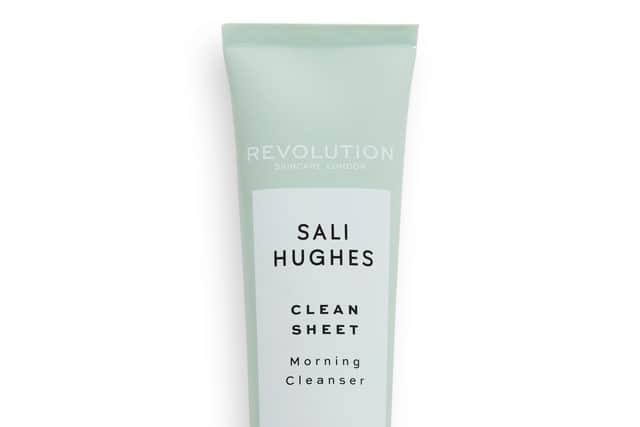
Sali Hughes Clean Sheet Morning Cleanser, £10, Revolution Skincare
For evening, she recommends a cleansing balm, which acts as “a make-up and sunscreen remover. Massage it into your face, add a little bit of water, it immediately turns into a milk and comes clean away with a flannel.”
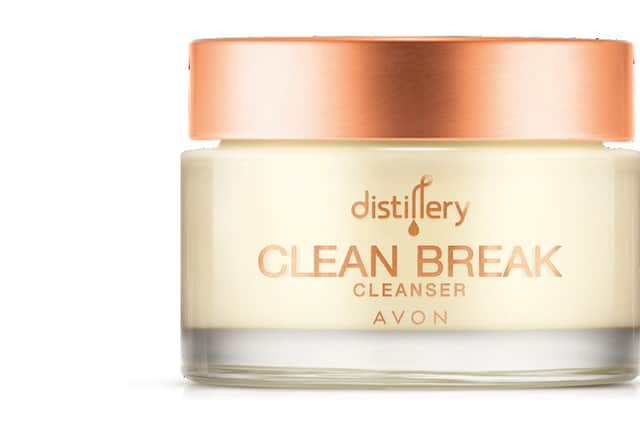
Avon Distillery Clean Break Cleanser, £12
Rather than a scrub that physically sloughs away dead skin cells, a chemical exfoliator containing acids such as lactic, malic, glycolic, salicylic (or a mixture) works below the surface to increase cell turnover and improve skin brightness.
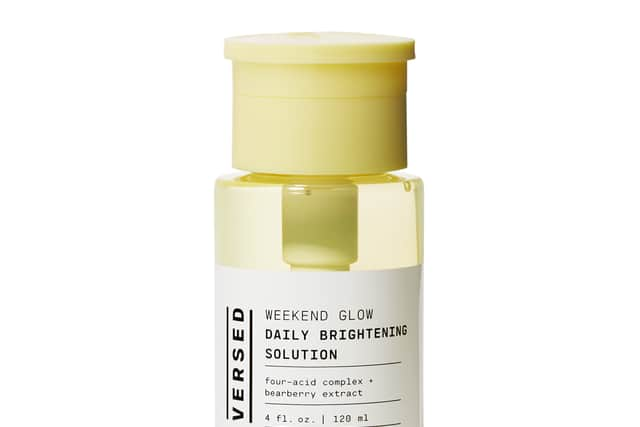
Versed Weekend Glow Brightening Solution, £16.50, Boots

Often lighter in texture than moisturiser, serums are formulated with potent active ingredients that deliver skin benefits as well as hydration – often in the form of hyaluronic acid – and can be applied morning and night.
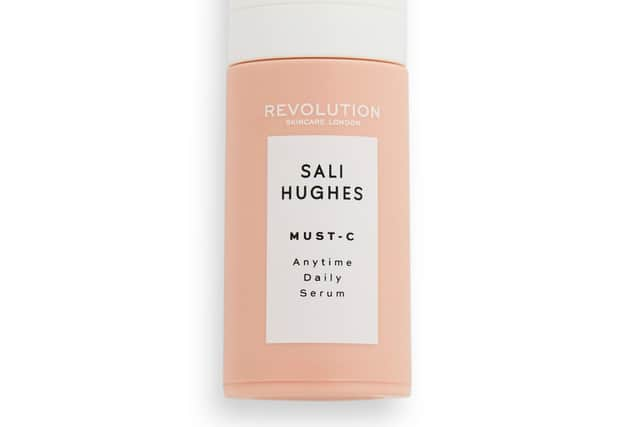
Sali Hughes Must-C Anytime Daily Serum, £15, Revolution Skincare
The final step in your morning routine, sunscreen is key for protecting your skin from harmful (and wrinkle-inducing) rays – no matter how bright the sun is shining.
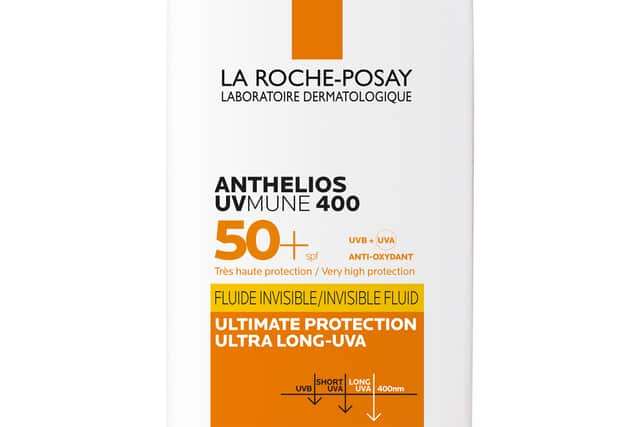
La Roche Posay Anthelios UVMune 400 Invisible Fluid SPF50+ Sun Cream, £18
Used at night (never in the morning) in tandem with daily SPF, vitamin A derivatives such as retinol and retinoic acid stimulate collagen production and increase cell turnover, meaning they target the signs of ageing and can help reduce acne scarring.
“I’m a prescription tretinoin [retinoic acid] user,” says Hughes. “So what I do is I use vitamin C [serum] in the morning, then a day cream, and then at night I don’t use the vitamin C, I use tretinoin.”
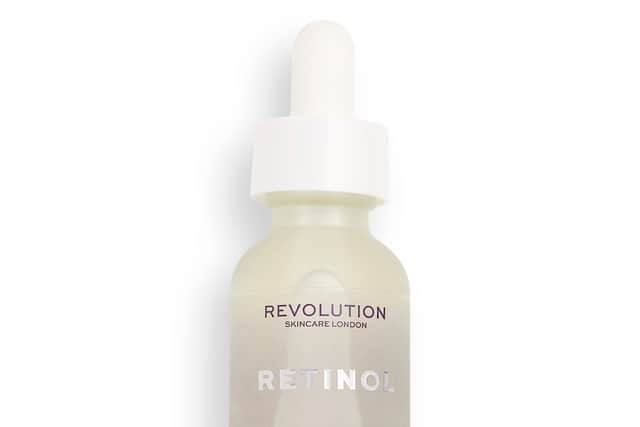
Revolution Skincare 0.2% Retinol Smoothing Serum, £9
Following your morning serum or nightly retinol, moisturiser will leave your skin feeling hydrated and healthy. What should a decent moisturiser contain?
First Aid Beauty Ultra Repair Cream, £29.90, FeelUnique