
As Royal Ascot kicks off, this is the evolution of racing fashion


Since its inception, race-day fashion has been as integral to Royal Ascot as its horses.
The Ascot Racecourse was founded in 1711 by Queen Anne. For decades, it’s been a highlight of the fashion calendar, giving royals and British socialites the opportunity to show off their style.
Here’s how the fashion has evolved over the past 100 years…

The roaring Twenties saw the emergence of fanciful flapper dresses. The liberality of the 1920s was reflected in the racing fashion as women’s dresses became shorter and looser.
More comfortable clothing was embraced, which contradicted the grandiosity of the Victorian era. The attendance of royals such as Lord Cecil Manners and his wife demonstrated the nonchalance of Ascot style, broaching a new decade of racing fashion.
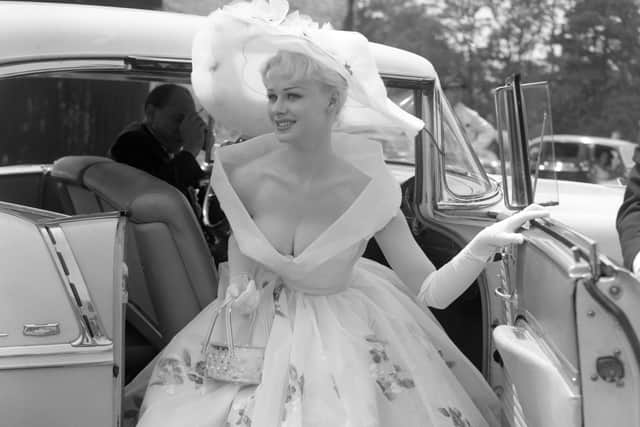
Following the utilitarian structures of the 1940s, post-war Ascot saw feminine fabrics and silhouettes reign supreme. The introduction of Christian Dior’s ‘New Look’ saw fuller skirts and cinched waists, allowing guests to elevate racecourse style with exaggerated silhouettes, hemlines and hats.
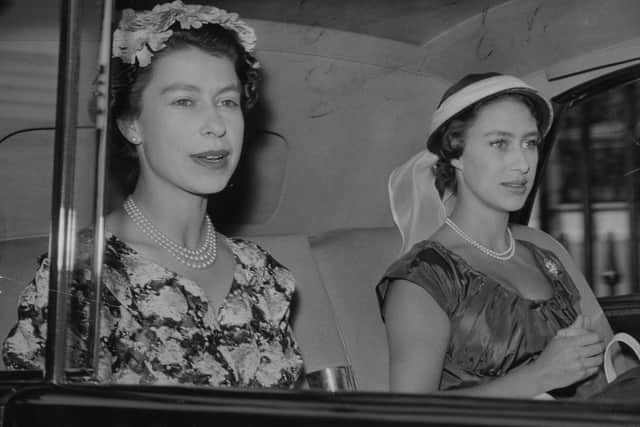
Florals and botanicals became signature styles for the summer season, particularly seen in the late Queen’s outfit to the 1955 event.
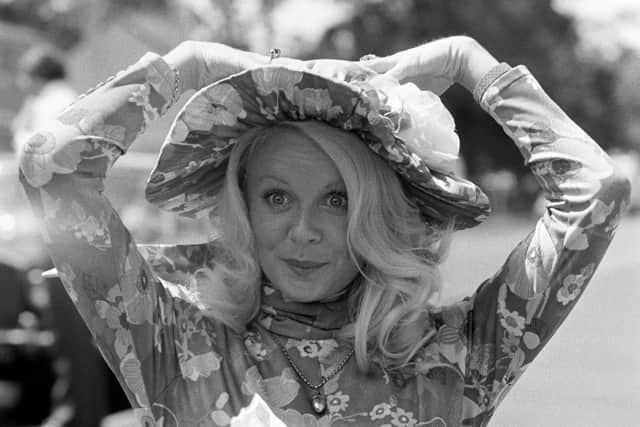
Bold prints, relaxed cuts and a bohemian aesthetic was distinctive of Seventies fashion. Reflected at Royal Ascot, guests began to dress in more laidback ways evocative of the 1920s.
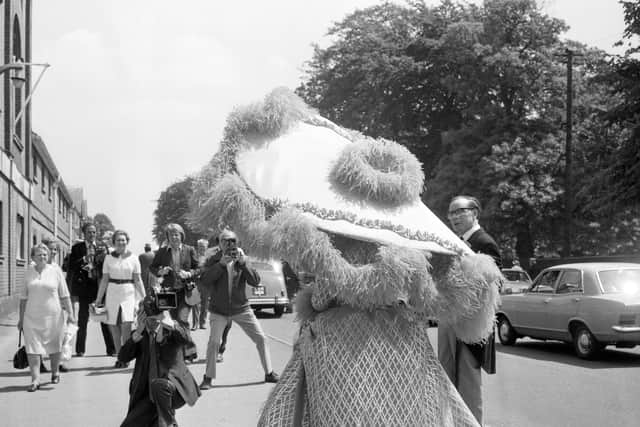
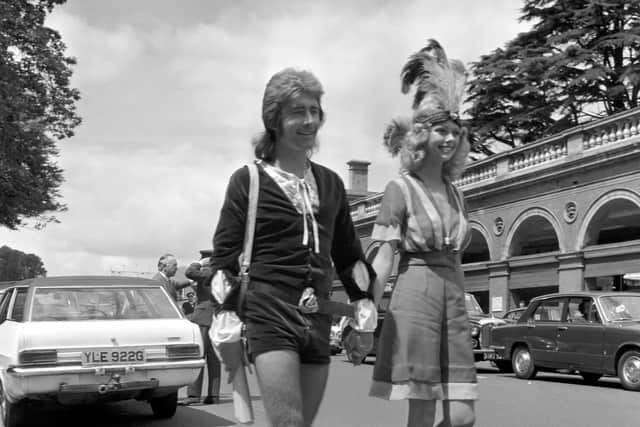
Shilling wasn’t the only attendee breaking with tradition, as women renounced dresses in favour of suits, shorts and jumpsuits, after trousers were added to the Royal Enclosure dress code in 1971. Nowadays, shorts are no longer permitted in any enclosure.
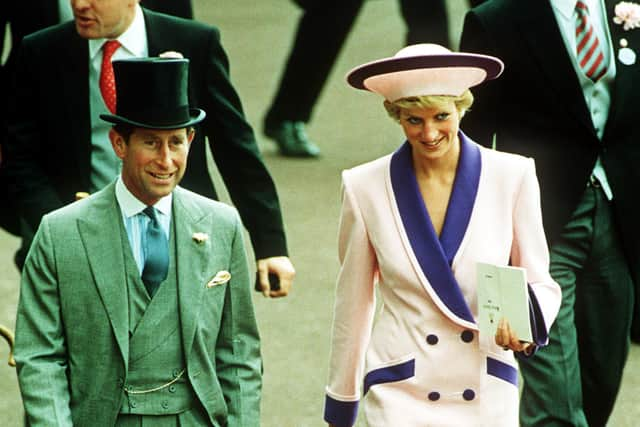
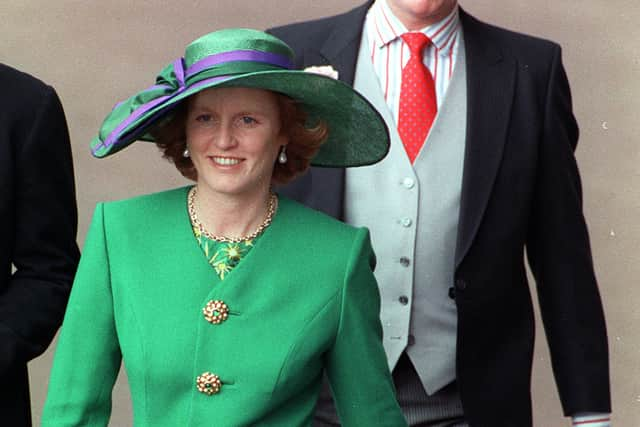
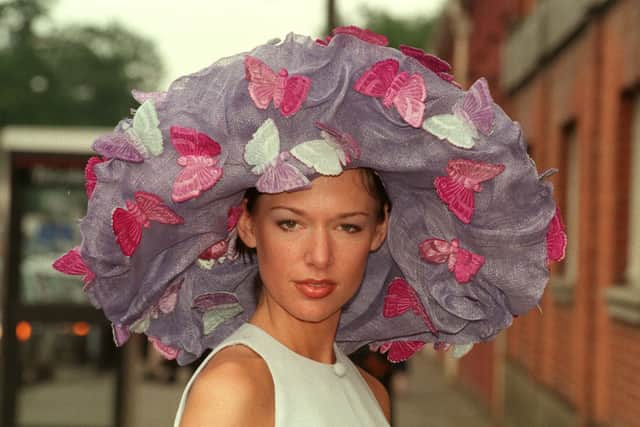
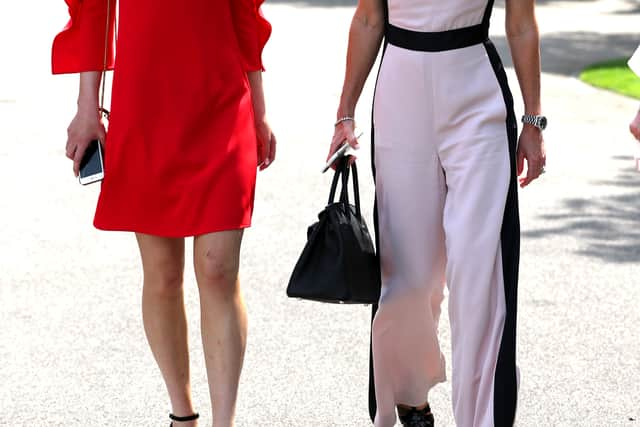
The 2010s saw the acceptance of jumpsuits, and in 2017 fashion designer Daisy Knatchbull became the first woman to wear a top hat and tails in the Royal Enclosure.
As a result, sharp tailoring later became encouraged for women in Ascot’s style guide, reflecting a more androgenous and fluid approach to fashion.
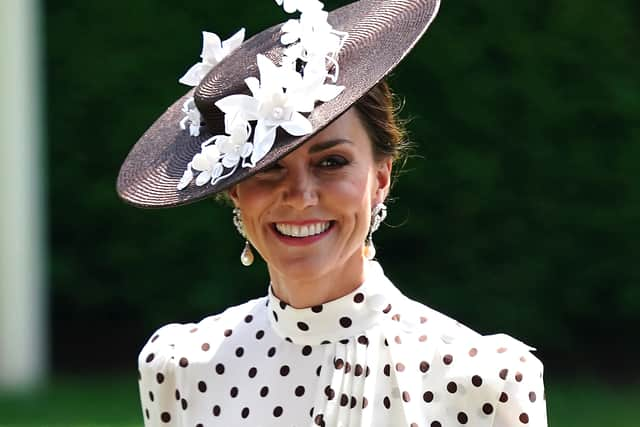
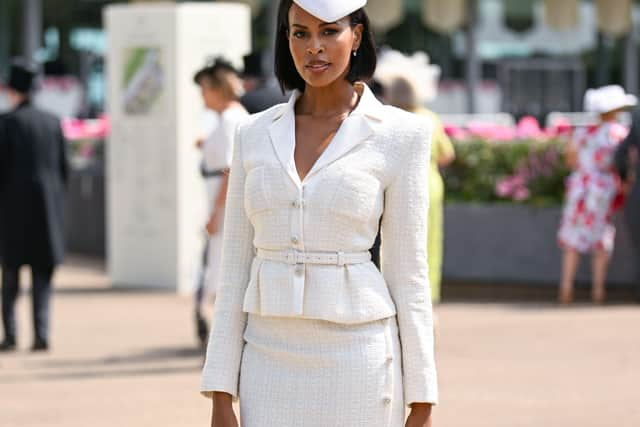
Although the majority of attendees still adhere to its traditionally elegant and conservative attire, guests are certainly becoming more fluid by incorporating skirt suits, asymmetric cuts and structured tailoring into their ensembles.
It seems the 2020s are the years of classic tailoring and individual accents, and 2024 should provide a smorgasbord for unique expression.