
Bird flu closes the Farne Islands to visitors
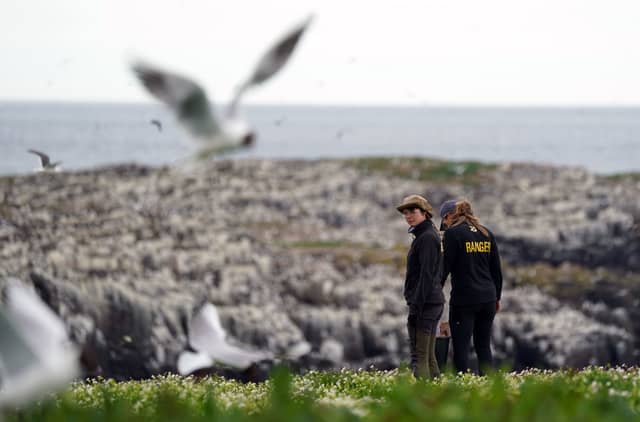

One of England’s most important seabird colonies has closed to human visitors due to the spread of bird flu.
The Farne Islands off the Northumberland coast – home to around 200,000 birds – have been affected by a deadly outbreak of avian influenza which has spread since winter from the UK’s domestic population.
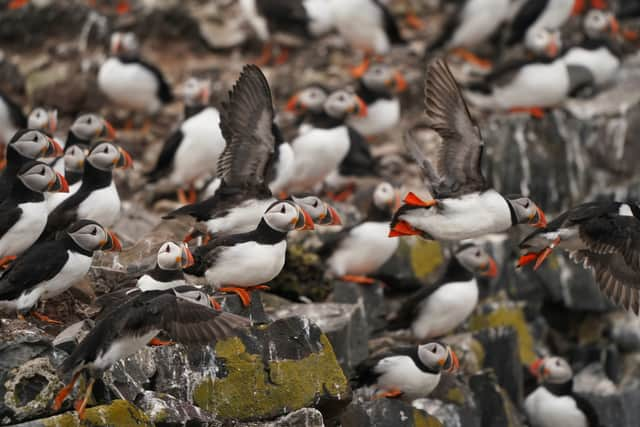
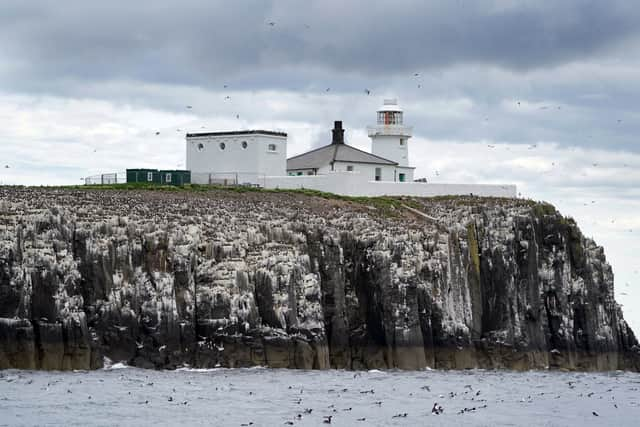
The tourist trips out of Seahouses will continue, but visitors will no longer be allowed to land on the Farnes.
The National Trust, which manages the islands, has announced the decision to close them to visitors from Sunday after finding hundreds of dead birds.
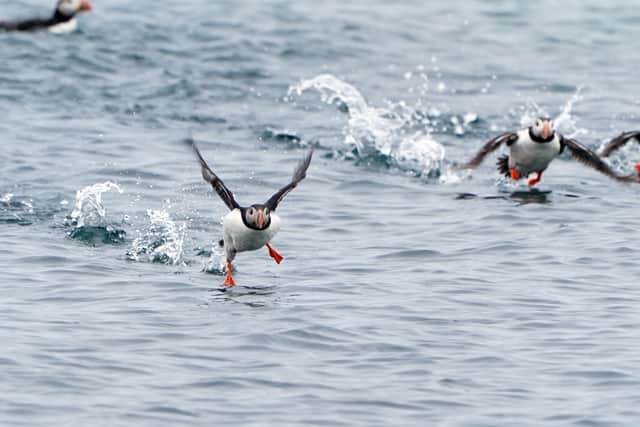
Some species, such as the ever-popular puffins, are already under threat due to climate change affecting their habitat and food sources.
Simon Lee, general manager for the Farne Islands said: “While we have no confirmed test results from the islands, we are now starting to see the terribly sad and distressing impact of avian influenza on our internationally important and threatened seabirds who make the islands their home.
“Our ranger teams work tirelessly to monitor and protect these colonies but due to finding significant numbers of dead birds we simply have no other choice but to close the islands.
“We understand how many people love to visit the islands, but we must do everything we can to protect and to try to help these much-loved seabirds by limiting the spread of the disease.
“The effect of the disease on the colonies we care for could be devastating due to many species having low reproduction rates, which means the loss of adult birds has a huge impact on populations being able to recover.”
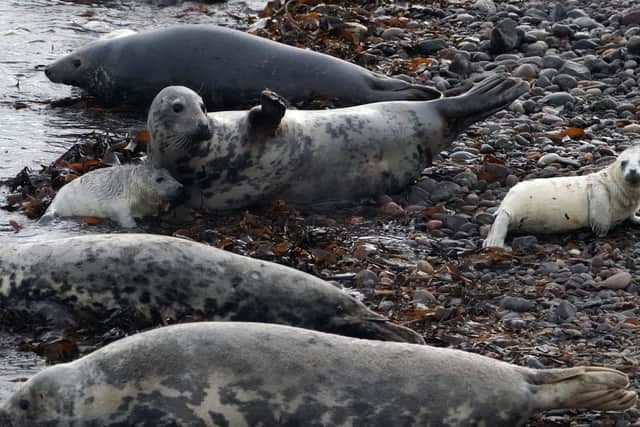
“By closing the islands we will reduce the risk of disturbance on the birds, which will hopefully help at least slow down the spread of the disease during this breeding period before they leave the islands in late summer to continue their annual migratory cycle.”
Ranger teams will remain on the islands to monitor the outbreak.
The UK Health Security Agency has advised that the risk to humans is very low, but people should not touch sick or dead birds.
If found, please report any dead birds to the Department for Environment, Food and Rural Affairs on 0345 9335577.