
Bird numbers on the rise in Scotland’s cities, research finds


Bird numbers in Scotland’s towns and cities are up by almost a fifth, research has shown.
A study by NatureScot looked at 14 species of urban birds and found an increase of 19% between 1994 and 2019.
The number of birds has increased across a variety of habitats, but there have been more rapid increases in urban areas.
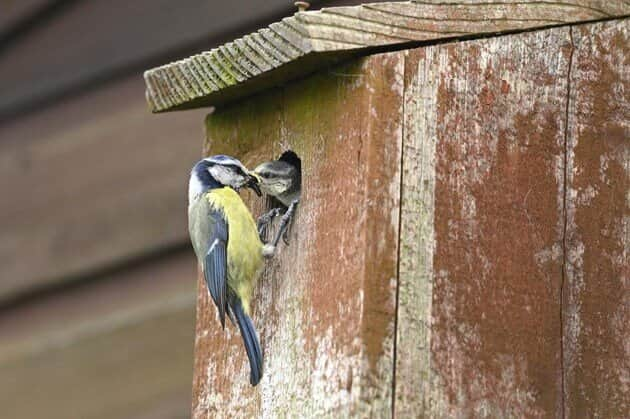
But population increases on farmland, too, suggest other factors such as climate change may have contributed as well.
The study found wood pigeons had the biggest increase, by 6% across the whole of Scotland, but by 188% in urban areas. A possible explanation could be due to fewer nest predators, the report suggested.
Meanwhile, house sparrows, song thrushes and blackbirds all declined in urban areas – although they increased across other habitats.
NatureScot’s trends and indicators analyst, Simon Foster, said: “We know that some bird species use more than one habitat, and their habitat preferences evolve over time, based on a variety of factors, from availability of food to climate change.
“Wood pigeons are a good case in point, responding to milder winters and the safety of towns to help them increase.”
He added: “We all need to play our part, putting nature at the heart of solutions to climate change and biodiversity loss, and there are lots of practical things people can do to help birds in their local areas.
“I’d suggest putting out bird feeders and keeping them regularly topped up and providing nest boxes. We’d also encourage people to plant hedgerows or let their existing hedges grow thickly to provide food and shelter for many bird species.
“These new statistics will help us uncover an extra layer of data to improve our understanding of what is happening to bird populations in different types of habitats across Scotland, allowing us to take more targeted conservation action to help the most under-threat species.”