
Brecon Beacons National Park changing name to show action on climate change
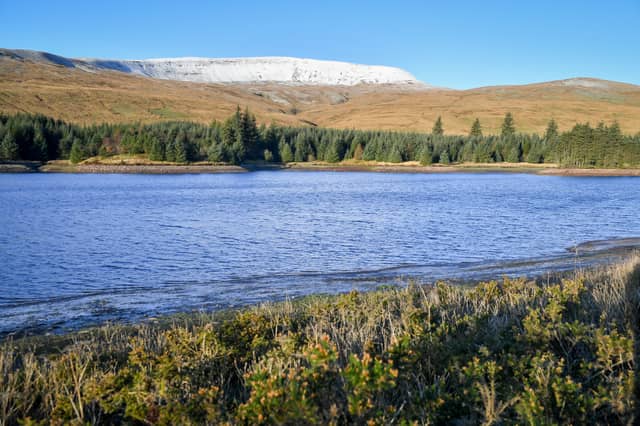

The Brecon Beacons National Park is changing its name as a direct response to the climate and ecological crisis, the park’s CEO has said.
From Monday, it will adopt the Welsh name of Bannau Brycheiniog National Park – pronounced Ban-eye Bruck-ein-iog – or the Bannau for short.
Bannau is the Welsh plural for peaks and Brycheiniog refers to the old kingdom of King Brychan, who lived in the fifth century.
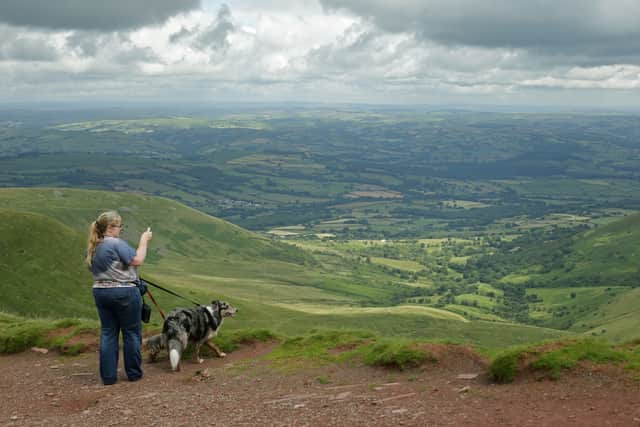
They want it to be celebrated for its natural and cultural heritage by becoming net zero by 2035, have nature recovering with clean water environments by the end of the decade, as well as meeting the health, economic, recreational and residential needs of people in the park by 2028.
Catherine Mealing-Jones, the park’s CEO, told the PA news agency: “Given that we’re trying to provide leadership on decarbonisation, a giant burning brazier is not a good look.
“Our park is is shaped by Welsh people, Welsh culture, and as we looked into it we realised the brand we’ve got and the name we’ve got, it’s a bit of a nonsense, it doesn’t really make any sense – the translation Brecon Beacons doesn’t really mean anything in Welsh.
The new plan is set to launch on Monday, the 66th anniversary of the park’s national designation.
It seeks to restore tree cover, wetlands, hedgerows, peaty bogs and wildflowers to attract wildlife while introducing localised renewable energy sources like small wind turbines.
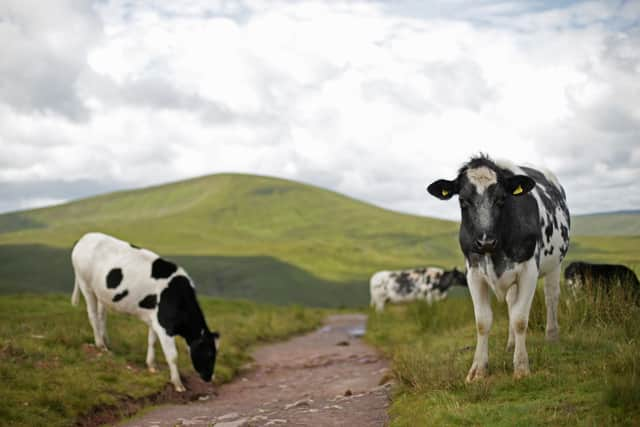
People will be encouraged to farm in a way that benefits nature, such as restricting grazing to certain areas, leaving a cover crop over winter for birds to eat and not spreading manure or fertiliser where it could contaminate watercourses.
She said: “It’s just simple measures, but things that are highly effective. The other thing they’ve done is install weather stations on four or five of the farms.
“Those are open through an app to any farmer who wants to understand the rain, the wind, ground conditions, to make sure that what they’re doing, they’re doing at the right time in the right weather conditions.”
Duncan Fisher, founder of Our Food 1200, a regenerative farming enterprise, is encouraging growers to produce food for local markets.
He said there are currently 16 small-scale farms that have teamed up to build a more local food economy outside of the supermarket-dominated system, which would allow growers to keep more of the profits.
“We’re very keen on this idea that the farmers own the supply chains, or that all of the money in the supply chain is local,” he said.
“That creates wealth that creates the circulation of money, which creates the market. The minute you start selling to a supermarket, it’s just really brutal.
“The pressure on the price is down and that’s why farming is in such a lot of difficulty because they’re being paid such bad prices. So one of our solutions is let’s build a locally owned system.”