
Celebrations on ice? Podium places are not without cost to talented youngsters
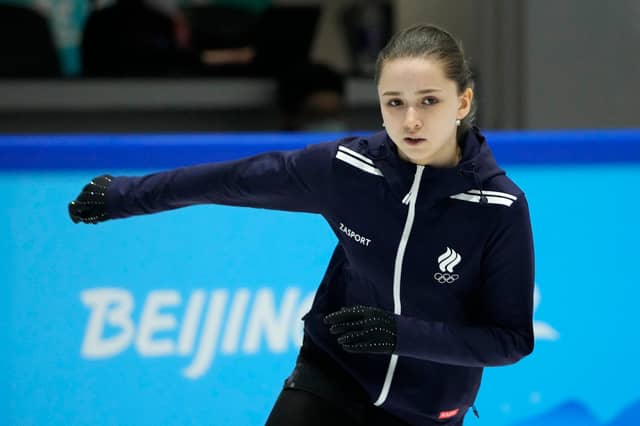

Four years ago in Pyeongchang, 15-year-old Alina Zagitova packed all 11 jumping elements into the second part of her free skate routine in order to take advantage of a bonus system and soar off with the Olympic women’s figure skating title.
Zagitova’s performance, which was considered so audacious it prompted the sport’s governing body to change the so-called “tired legs” rule as a direct result, enabled her to eclipse her team-mate and double world champion Evgenia Medvedeva, who was forced to settle for the silver medal.
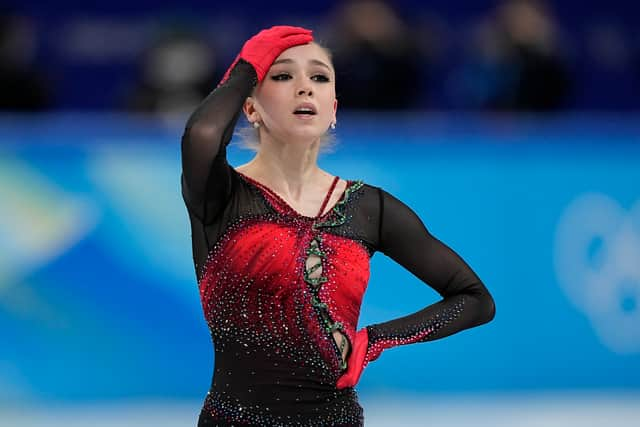
Zagitova and Medvedeva spent all or most of their careers under the tutelage of Eteri Tutberidze, the Moscow-born former skater whose Sambo-70 has churned out champions at an extraordinary rate, the latest of whom is another 15-year-old, a certain Kamila Valieva.
Even by Russian figure skating standards, Valieva is regarded as an exceptional talent: a former world junior champion and current world record holder in short, free and combined program scores, and, since Monday, the first female skater to successfully land a quad jump at the Olympic Games.
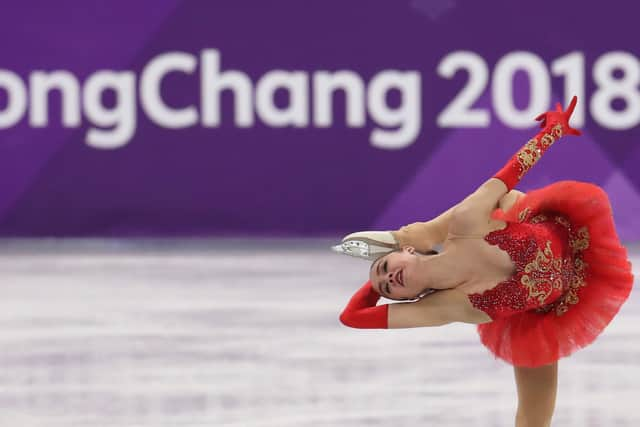
In 2018 Valieva moved to Sambo-70, a club that already boasted a fearsome and controversial reputation. Besides Zagitova and Medvedeva, it also produced the 2014 team gold medallist Yulia Lipnitskaya, a prodigously talented skater who retired in 2017, still in her teens, after battling hip and ligament injuries and anorexia.
Tutberidze makes no excuses for her harsh regime, which focuses particularly on equipping her students with the ability to complete quad jumps. Valieva’s team-mate Alexandra Trusova landed the first competition quad-lutz and quad-toe loop, and is also the first woman to land three different quads in one programme.
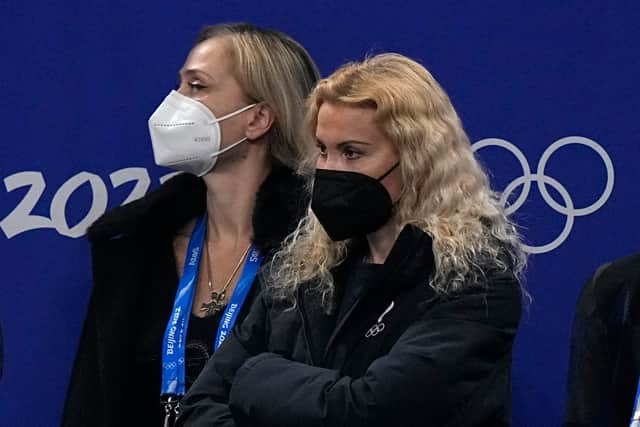
Tutberidze has been a prominent presence among the Russian figure skating coaching team in Tokyo, and it is hardly surprising. In Valieva, Trusova and Anna Shcherbakova she boasts three Sambo-70 athletes who were virtual certainties to sweep the podium.
Emphasising the gap between the three Russian athletes and the rest, the top American, Karen Chen, who has twice finished fourth the World Championships, admitted after last week’s team event: “They are doing things I can only dream of doing. I am not capable of doing what they are doing.”
Valieva was the headline act of the team event programme, delivering a short program of such grace it prompted many to wonder if the Capital Indoor Arena had unearthed a refreshing antidote to a Games mired in geo-political and Covid concerns. Less than 24 hours later, those hopes were shattered.
With or without Valieva on the start-list, athletes representing the Russian Olympic Committee will dominate next week’s ladies’ figure skating competition. The question now being asked is at what cost those podium places will been earned.