
Deafblind girl who felt isolated at school says ‘real world’ made her resilient and she can ‘do more than people think’
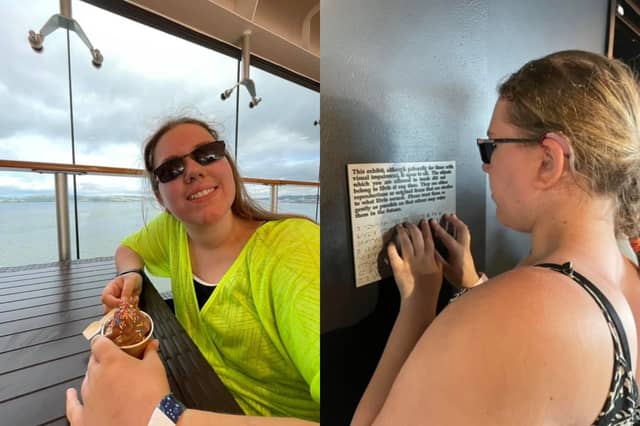

A deafblind girl who learned braille at the age of six while facing the additional challenge of losing her hearing, has said she wishes people would stop “assuming (she) can’t do things” as she is capable of far more than they realise.

After several tests doctors told her mother, Julie Amos, 43, a travel agent, that she had cone-rod dystrophy, a group of inherited eye disorders, and nystagmus, which is a rhythmical, repetitive, and involuntary movement of the eyes.
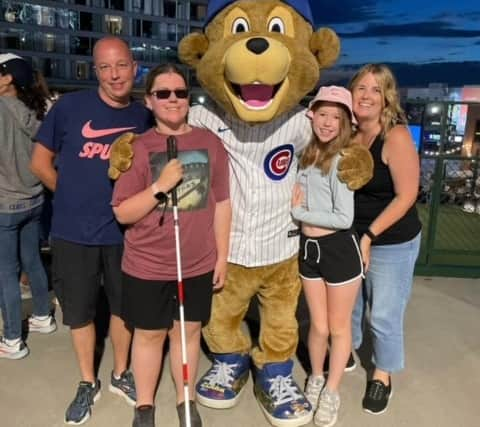
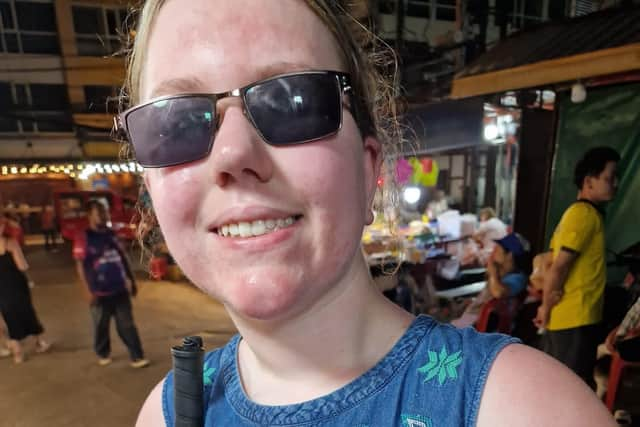
Emma’s sight loss means she wears glasses every day, specifically with tinted lenses due to her sensitivity to light, and she uses a long cane to aid her mobility.

“It was a complete and utter nightmare for me,” Julie told PA Real Life.
“I was on edge the whole time because she would just run around like a normal child but, obviously, she’d then bump into other children and other children would run into her.”
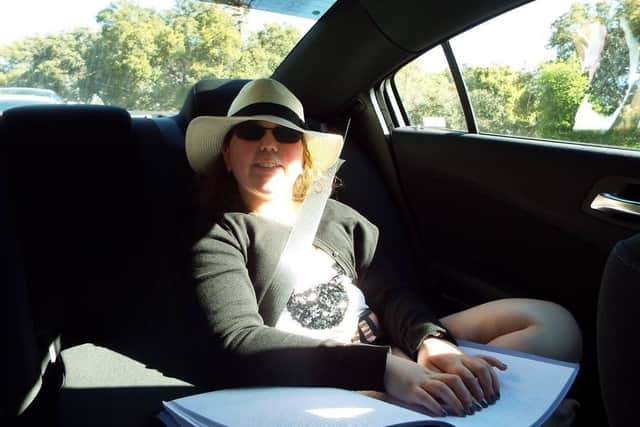
Julie said learning of Emma’s hearing loss was difficult to process, as she already had visual impairment, but in 2021 they discovered her conditions were linked to a rare genetic disorder known as Alstrom syndrome, and this has made it “easier to accept”.
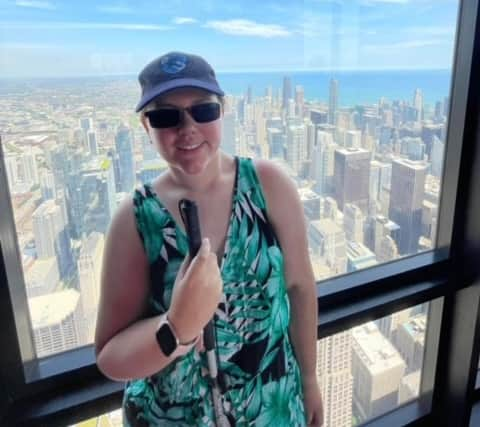
Emma said: “The main message that I’d like to give is not to assume things.
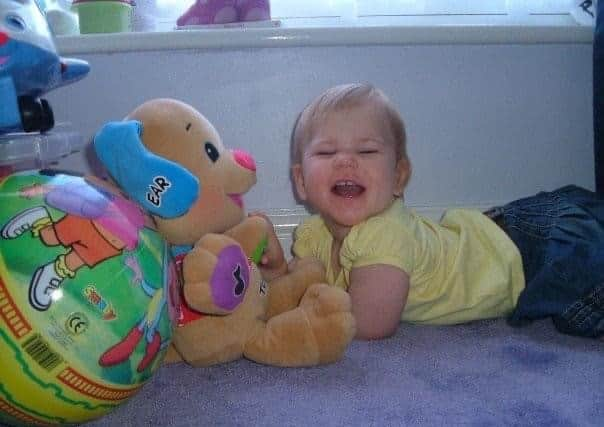
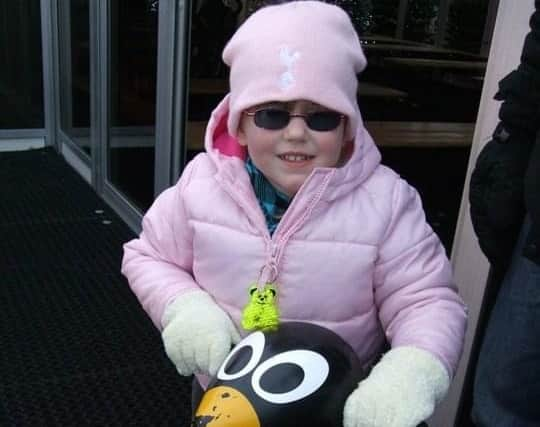
Emma has lived with sight loss since birth and has worn glasses since the age of two.
She then discovered she had moderate hearing loss, which was “harder to accept than the visual impairment”, and she was given hearing aids following a grommets procedure.
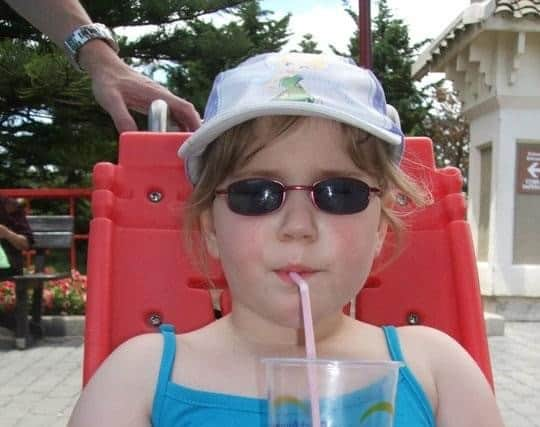
However, she fondly remembers the first time Emma was able to hear clearly, aged seven.
“I was speaking quite loudly because I was used to doing that, but I just remember the first words she said were ‘mum, stop speaking so loudly, you’re hurting my ears’,” Julie said.
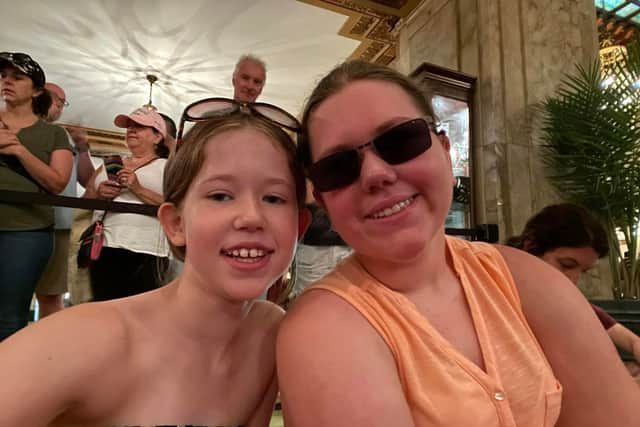
Emma added: “You’re not used to hearing everything, and then all of a sudden you hear everything around you, and you think, whoa – it was a strange feeling.”

She would often spend time at the student support centre, meaning her interactions with other students were limited and the social aspect of her education “suffered”.
Emma said: “I can’t say I made many friends in secondary school.”

“She often ended up in the student support centre at break and lunchtime, and say, for example, she made plans to meet a friend at a certain place, if they weren’t there at that time, she couldn’t go searching for them because she’d never be able to find them.”
“By going to mainstream secondary school you learn to be resilient, and you learn to work around all the issues that happen in the real world,” Emma explained.
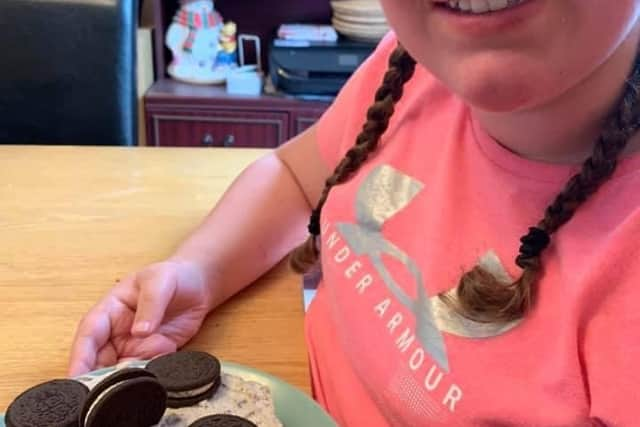
Emma enjoys travelling to London, where possible, and has a variety of hobbies – she loves reading, listening to music, specifically Queen, cooking and baking, playing tennis and following TV shows such as The Great British Bake Off and Strictly Come Dancing.
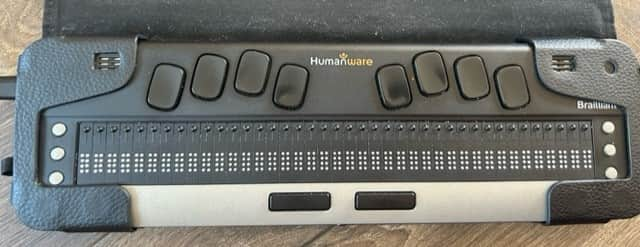
She uses a device called a brailliant during her lessons and in public uses a cane which has red stripes to indicate she is deafblind.

For example, in places where braille is not available, such as restaurants or supermarkets, Emma is reliant on a sighted person to read labels, menus, or prices to her.
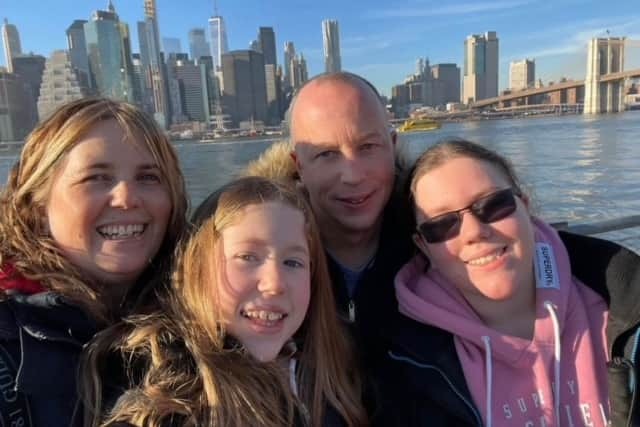
“I am used to people being annoying,” Emma explained.
“They are in their own little world, they don’t seem to care, they look at their phone all the time, and then they nearly bash into me.”
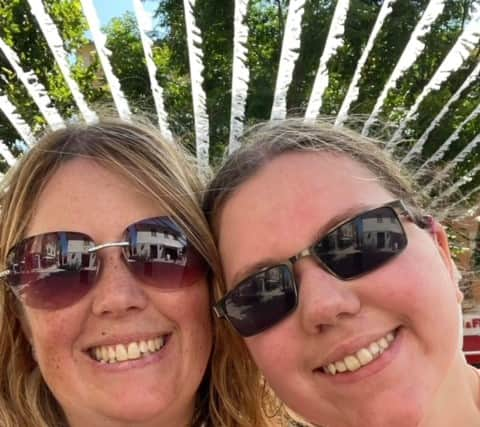
She said the support from family and friends, and organisations such as the Royal Society for Blind Children (RSBC), has been invaluable and she hopes that, by sharing Emma’s story and what she has overcome, it will inspire others to pursue their dreams.
“Emma just gets on with it, she gives everything a go,” Julie said.
Emma added: “You shouldn’t have to fight with things, but the world is not a very nice place for people like us sometimes.
“I hope everyone who is visually impaired pushes for what they want because it’s helped me get to where I am now.”
Deafblind Awareness Week runs from June 26 to July 2. To find out more about RSBC, visit: www.rsbc.org.uk