
EU leaders ponder ‘cruel paradox’ of US ally threatening tariffs and land grab
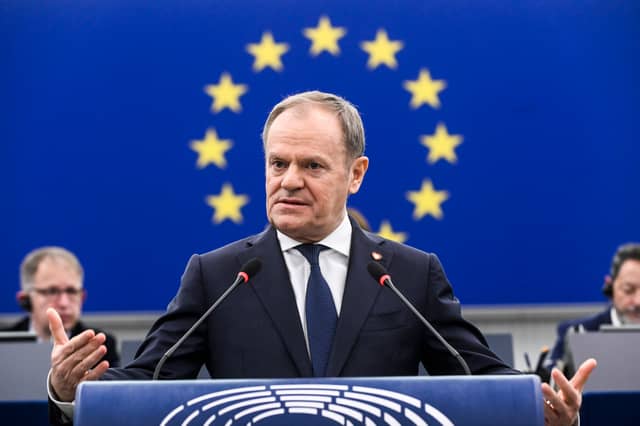

After three years trying to deter Russia from destroying Ukraine, EU leaders have been grappling with possible responses to a major ally who appears determined to start a trade war or perhaps even seize part of their territory.
Polish Prime Minister Donald Tusk said it would “be a cruel paradox if, during the time of this direct Russian threat and Chinese expansion”, that the EU and the US might end up in a “conflict among allies”.
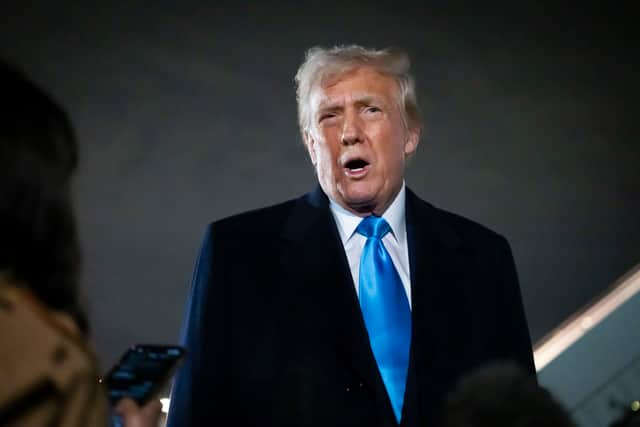
He has also mystified Europeans by showing little sign of how he intends to end the war in Ukraine within six months as promised, let alone in a day, as he boasted during the election campaign last year.
Mr Tusk, whose country currently holds the EU’s rotating presidency, said Mr Trump’s threats amount to “a serious test” of European unity, and “in a very strange context, because it’s the first time where we have such a problem among allies”.
“We have to do everything to avoid this totally unnecessary and stupid tariff war or trade war,” Mr Tusk told reporters in Brussels, where EU leaders were meeting for talks on boosting and improving military spending, and ramping up Europe’s defence industry.
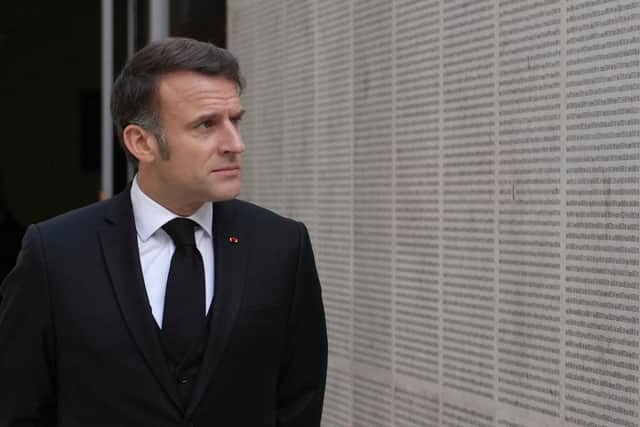
Mr Trump imposed tariffs on European steel and aluminium during his first term, and EU leaders have already been in contact with Canadian Prime Minister Justin Trudeau since Canada imposed retaliatory duties on US goods in response to a 25% tariff levied by Mr Trump.
“We were listening carefully to (Trump’s) words, and of course we are preparing also on our side,” EU foreign policy chief Kaja Kallas said. But, she underlined, “there are no winners in trade wars. If… the U.S. starts a trade war, then the one laughing on the side is China”.
Denmark’s prime minister insisted on Monday that Greenland is not for sale and called for a robust response from the EU if Mr Trump pressed ahead with his threat to take control of the island.
“I will never support the idea of fighting allies. But of course, if the US puts tough terms on Europe, we need a collective and robust response,” Mette Frederiksen told reporters.
Last month, Mr Trump left open the possibility that the US military might be used to secure Greenland, as well as the Panama Canal. “We need Greenland for national security purposes,” he claimed.
Ms Frederiksen said she has “great support” from her EU partners on the fact “that everybody has to respect the sovereignty of all national states in the world, and that Greenland is today a part of the Kingdom of Denmark. It’s part of our territory and it’s not for sale”.
She acknowledged US concerns about security in the Arctic region, where Russia and China have been increasingly active.
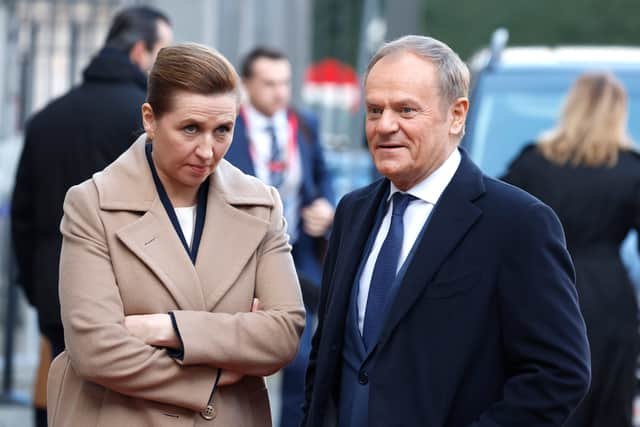
“They are already there and they can have more possibilities,” she said, underlining that Denmark can also “scale up” its security presence. “If this is about securing our part of the world, we can find a way forward,” Ms Frederiksen said.
Last week, her government announced a roughly 14.6 billion kroner (£1 billion) agreement with parties including the governments of Greenland and the Faroe Islands to “improve capabilities for surveillance and maintaining sovereignty in the region”.
It would include three new Arctic naval vessels, two additional long-range surveillance drones and satellite capacity, the Danish Defence Ministry said.
Nato secretary-general Mark Rutte said: “It’s absolutely clear that Trump is right, and when it comes to the High North that we have to do more collectively.”