
Ex-prisoner who got swastika tattooed on wrist after joining ‘far-right’ army regiment feels ‘reborn’ after its removal
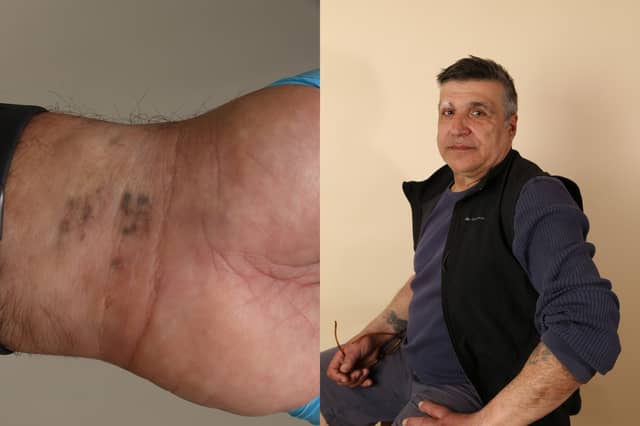

A former prisoner and drug addict who got a swastika tattoo on his wrist after joining a “far-right” army regiment aged 16, making his life “a nightmare”, has said he feels “reborn” after getting the ink removed.
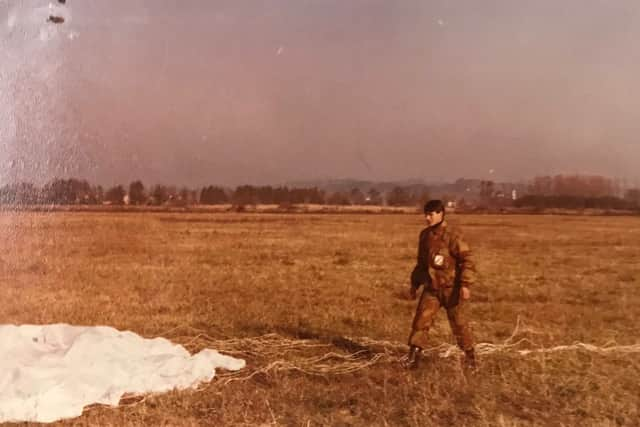
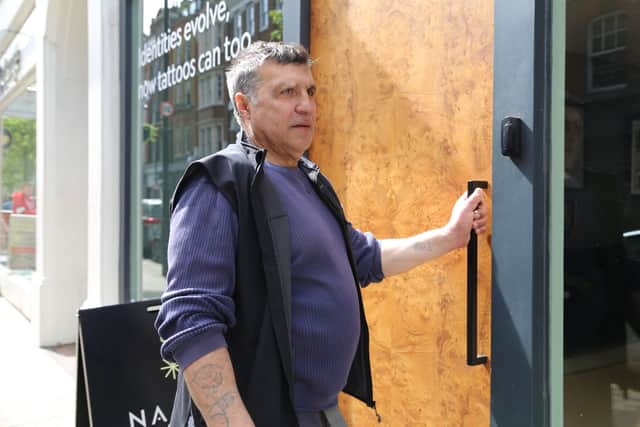
Ilario Guiducci, who grew up in Lucca, Italy, but now lives in London, got the tattoo in 1977 after joining the army as a cadet in Italy.

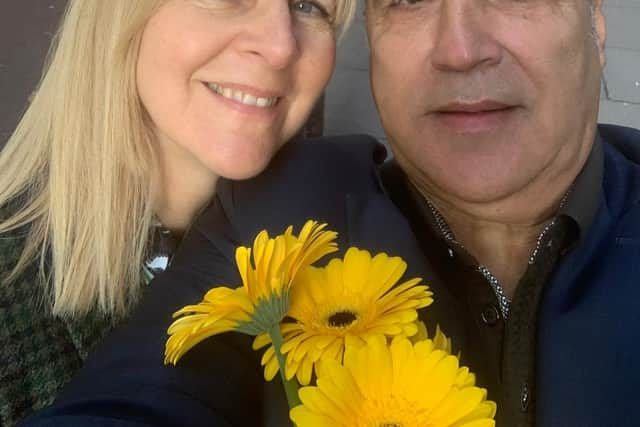
Ilario said he hid the tattoo from everyone, including his now-wife Karen, 60, a teacher, who was “surprised” and “very confused” as to why he had the “extreme tattoo” inked on his wrist when she first saw it one year into their relationship.
Recently, however, Ilario, who runs his own catering company, was put forward for NAAMA Studios’ Second Chances programme – an initiative designed to empower those imprisoned by their ink – and his swastika tattoo has been removed.
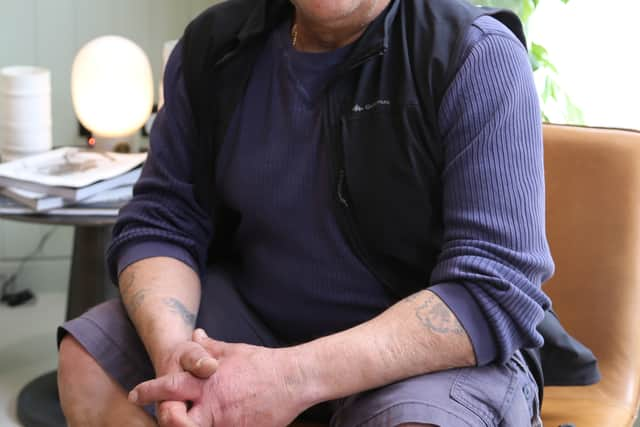
“It’s been a nightmare over the years, but I’m here and I’m looking at my arm and I can’t believe it’s not there anymore,” he said.
“I really cannot believe it.”
According to the Anti-Defamation League (ADL), the swastika is an ancient symbol used in many cultures that was adopted by Adolf Hitler and turned into a symbol of hatred, antisemitism, and infamy.
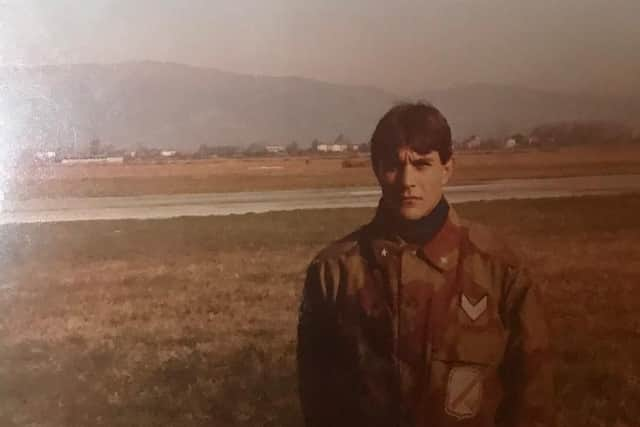
Initially, he said he was “proud” to have the symbol inked on his skin, as his “far-right” regiment was “the best one” and he wanted to fit in.
However, even though he was not the only person to get the swastika tattoo, he soon realised how “completely naive” he was.
“That kind of regiment, it was far-right, and I let myself be blinded by what they had to offer,” he said.
“We (thought we) were better than everybody – we were special people, strong, fantastic, everybody was afraid of us; that is when I got my tattoo.
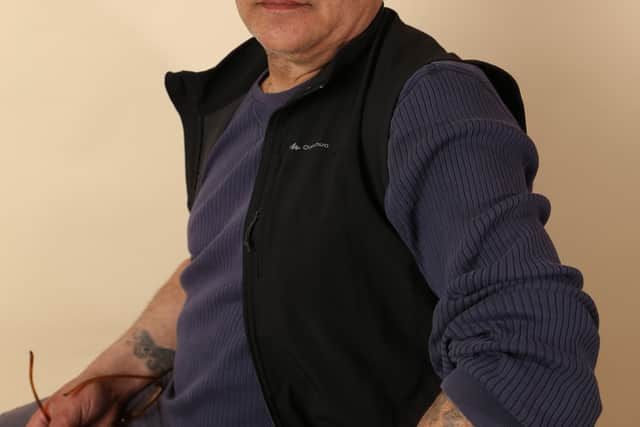
“Of course, I have grown up and I found out, with maturity, it wasn’t just the tattoo that was the problem, so I regretted having that done.”
When Ilario got the swastika tattoo, he said he also started taking drugs, including cannabis, heroin, and cocaine – “anything (he) could get hold of”.
He said he “wasted all of (his) youth” taking drugs, and his addiction led to him facing dishonourable discharge from the army at the age of 22.
Ilario said he started selling drugs and was living a “lavish life”, but he was arrested several times over the following years.
In 1989, he said he was sentenced for possession with intent to supply class A drugs and possession of firearms and spent nearly nine years behind bars in several prisons across England, including HM Prison Blundeston, in Suffolk, which has since closed.
Ilario said that at that time, his “life was all about drugs” and so his “nasty” addiction continued, even in prison.
“I became a junkie on his own; a foreign junkie in the English prisons,” he said.
“Of course, I still liked to use (drugs), and the addiction was stronger (than my ability) to just keep my head down, so the only thing I did was fight – what the army taught me – so I became a ‘mad wolf’ in prison.”
However, during his time at Blundeston, he was referred to Forward Trust’s (formerly RAPt) – a national organisation which empowers people to break the cycles of addiction or crime to move forward with their lives – abstinence-based programme.
With some persuasion and encouragement, he completed the programme and eventually stopped taking and selling drugs in 1996.
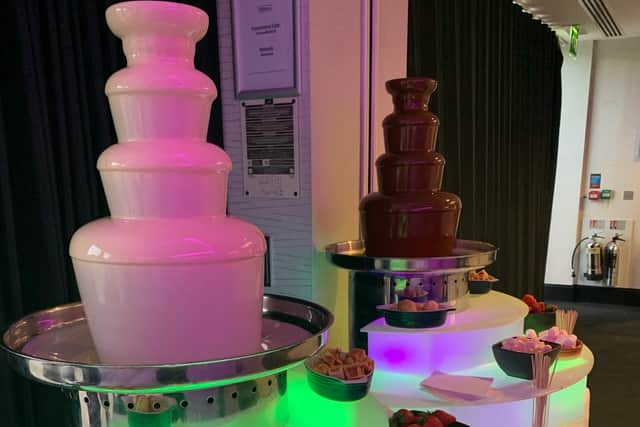
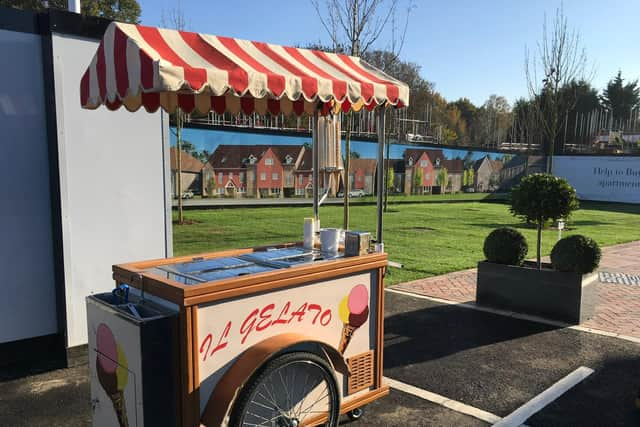
In 2000, Ilario set up his own company, Cocoa Delight, which caters for a range of events in London, including weddings and parties.
However, Ilario’s swastika tattoo served as a constant reminder of his former self and the poor decisions he had made in his youth, and it continued to have a “massive impact” on his life.
Ilario did not want anyone to see it, including his wife Karen who he first met in 2000, and so he did his utmost to hide it every day and “keep it secret”.
He even bought his own tattooing equipment, but he did not know how to use it, and so the tattoo continued to affect his everyday life.
“For years, it’s been a nightmare. For years, I have covered it up,” he said.
“Sadly, a few times I made mistakes, especially in the summertime when I washed my hand not realising the paint had gone; I realised a few people saw it.
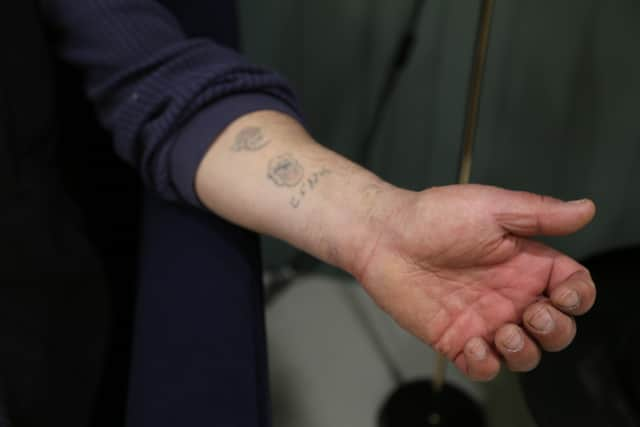
Recently, Ilario said he was given the opportunity to have his swastika tattoo removed by NAAMA Studios, which is running its Second Chances initiative, providing a premium tattoo removal service free of charge to those who need it most.
Initially, Ilario said he did not believe “it could be true”, but he has now had several sessions and the tattoo has “disappeared”.
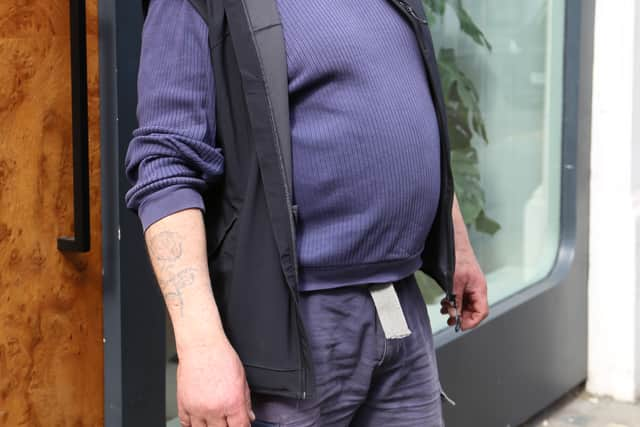
“I’m feeling more confident and I don’t have to worry about people seeing me.
“My life has changed, it has been fantastic since it’s been removed. I really mean it.
“After my recovery, this is the best thing I’ve ever done.”
You can find out more about the initiative by visiting NAAMA Studios’ website here: www.naamastudios.com/