
Experts recreate Scotland’s oldest tartan
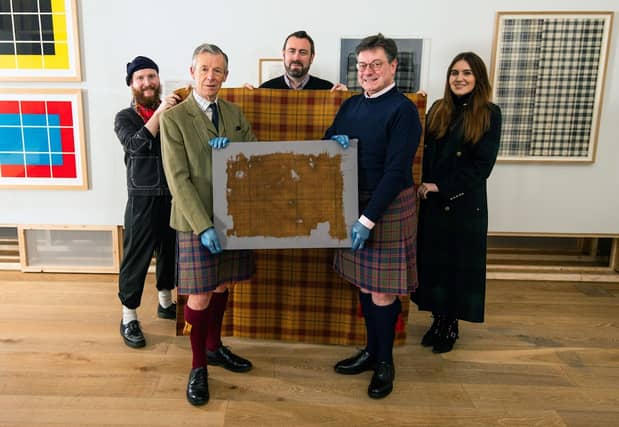

Experts have recreated the oldest-known piece of tartan ever found, which was discovered in a peat bog after being buried for centuries.
The tartan was discovered around 40 years ago in the bog in Glen Affric in the Highlands, and underwent rigorous testing by the Scottish Tartans Authority last year to confirm it was the oldest surviving piece of tartan.
The Glen Affric Tartan dates from 1500-1600 AD and went on to be exhibited at the V&A Dundee.
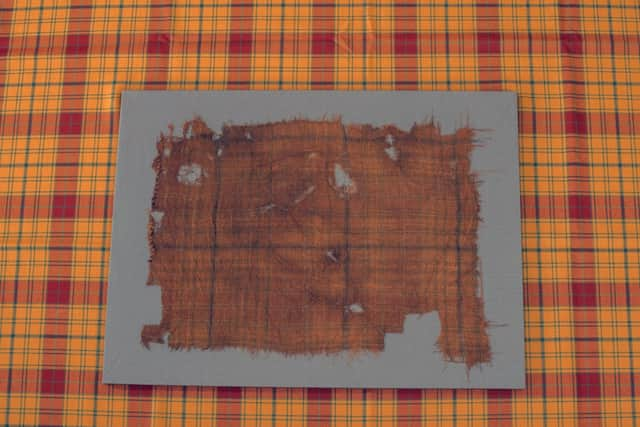
It features the colours that dye analysis of the original tartan had confirmed – this included the use of green, yellow and red, which would have come from woad or indigo to create the green along with other natural dyes.
This, along with the determined thread count, helped The House of Edgar bring this piece of Scottish history back to life.
Emma Wilkinson, the designer for House of Edgar who worked on the project, commented: “I create new tartans every day but this project is truly special – a once-in-a-lifetime opportunity to recreate a piece of history.
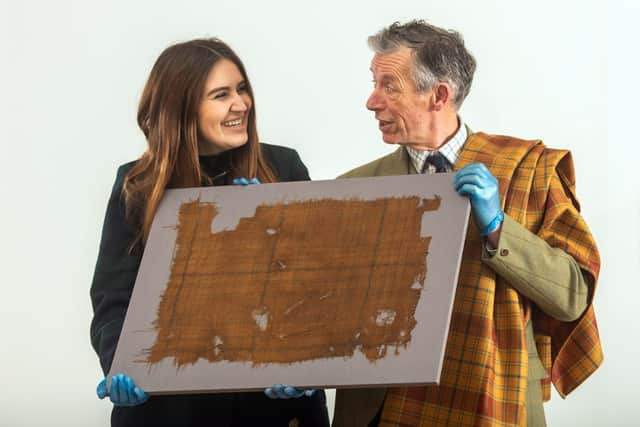
Peter E MacDonald, head of research and collections at the Scottish Tartans Authority, said: “It was a privilege to examine the Glen Affric specimen which represents an extraordinary survivor of our textile history.
“The dye-analysis, Carbon14 dating and a detailed study of the piece, together with a collaboration with House of Edgar, has brought back to life a tartan that allows us to reach back in time and touch history.
“It is quite special to see the tartan remade as it could have been 500 years ago.”
James Wylie, assistant curator from the V&A Dundee, said: “The Glen Affric tartan took the world by storm when it was revealed prior to the opening of V&A Dundee’s Tartan exhibition and continued to be a major draw for many visitors over the past nine months.
“I am delighted that V&A Dundee could contribute to the preservation of this significant artefact. More so, I am excited its legacy can now live on through the studious efforts of the Scottish Tartans Authority and House of Edgar in reinterpreting its design, for the enjoyment and interest of all who cherish tartan’s historic allure.”