
First anniversary of death of Queen Elizabeth II: A life dedicated to royal duty
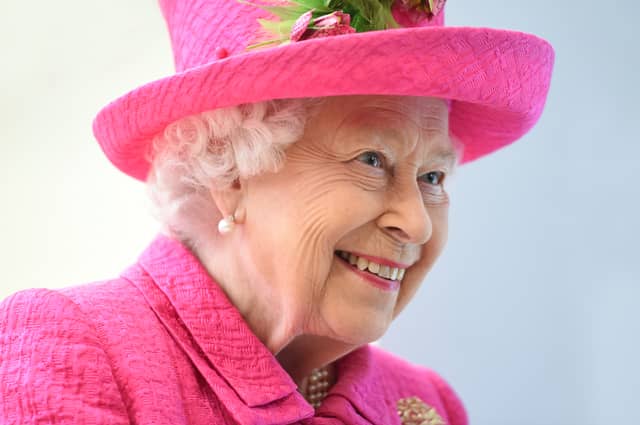

Queen Elizabeth II died peacefully in her Platinum Jubilee year at the age of 96.
The longest-reigning monarch in British history had dedicated her life to royal duty.
Abdication was never an option after she promised to continue to rule for the rest of her days.
She was still carrying out official engagements without fuss or complaint as she neared 100, when most people would have retired 35 years earlier.
The late Queen symbolised the stability of the nation, and most people had known no other monarch on the British throne.
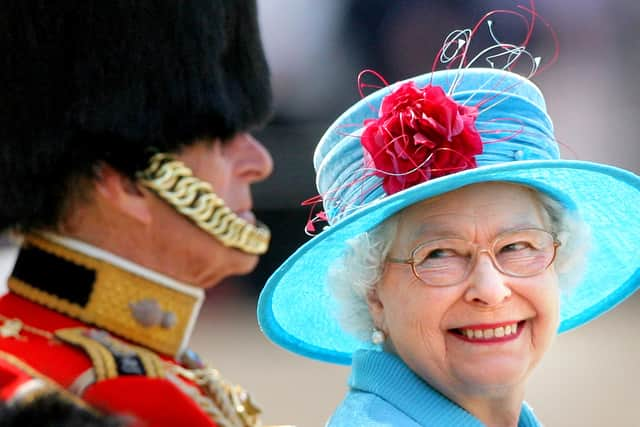
At her side for 73 years was Prince Philip, the Duke of Edinburgh, her outspoken consort, with whom she fell in love as a teenager when he was a naval cadet, and who died at the age of 99 in 2021.
The late Queen was passive, cautious and conventional.

The first British monarch in history to reach her Platinum Jubilee, she also became the longest-reigning still-serving monarch in the world.
Queen Elizabeth II was the royal family’s rock, popular with the public, and untainted by the House of Windsor’s scandals.
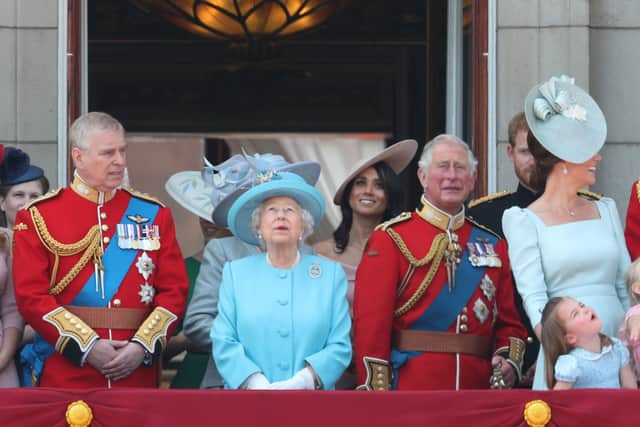
Princess Elizabeth Alexandra Mary of York was born at 2.40am on April 21 1926 at the home of her maternal grandparents in Mayfair.
She was never expected to be queen, but the abdication of her uncle, Edward VIII, in 1936 changed everything, leaving her father as King George VI and making his eldest daughter Elizabeth the heiress presumptive.
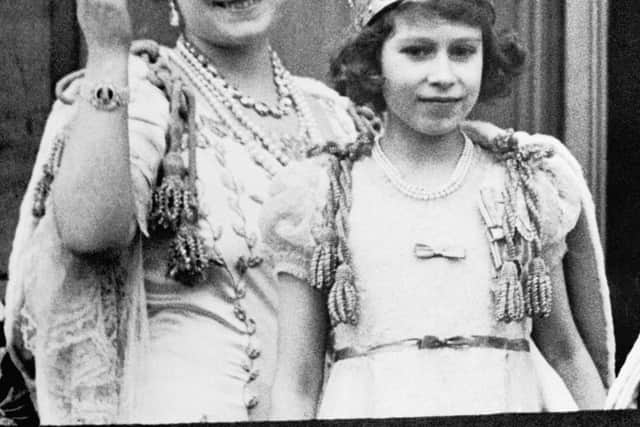
Princess Elizabeth and her distant cousin Lieutenant Philip Mountbatten had been married for less than five years when their lives were altered irrevocably by the death of George VI on February 6 1952.
The princess was just 25 when she became queen. She went on to reign for 70 years, seven months and two days.
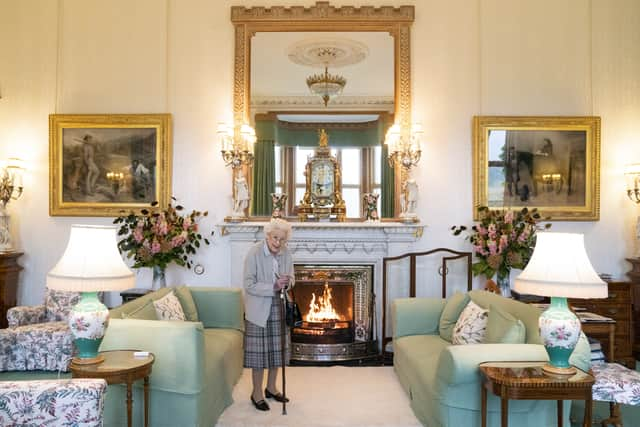
But fears for her health dramatically escalated on September 8 2022 when the Palace announced the monarch was under medical supervision at her Aberdeenshire residence and her doctors were concerned.
Just two days before, on September 6, she had been carrying out official duties, appointing Liz Truss as the prime minister.
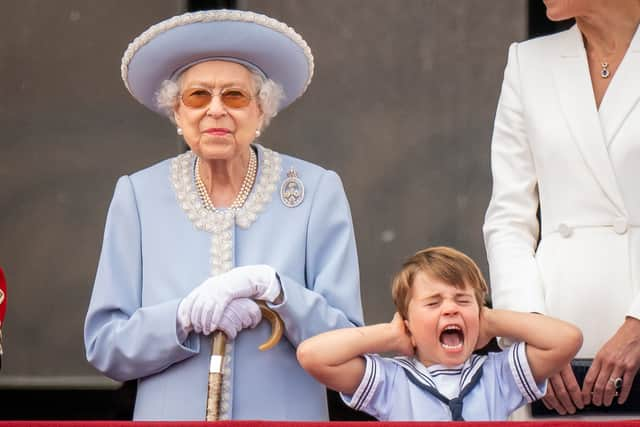
Queen Elizabeth II had struggled with her mobility for some time, and at her Jubilee celebrations three months earlier, secretly used a wheelchair behind the scenes to make it onto the Palace balcony.
On September 7, royal doctors ordered her to rest and postpone her Privy Council meeting.
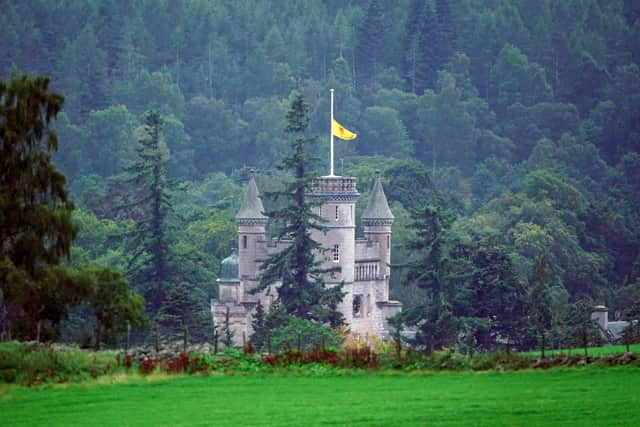
The Princess Royal was already at the late Queen’s bedside and the then-Prince of Wales had flown from Dumfries House to be with her that morning after being alerted about her condition, while the then-Duchess of Cornwall travelled by road from Birkhall.
The monarch’s other children, the Duke of York and the then-Earl of Wessex – along with the then-Duke of Cambridge and Countess of Wessex – made the urgent dash to Scotland on a Royal Air Force flight to say their final farewells.
Eventually, he flew alone, separately from the rest of the royals, after being asked by Charles not to bring Meghan.
But in the end they were all too late. The late Queen died at 3.10pm, her death certificate later revealed, with the cause listed as “old age”.
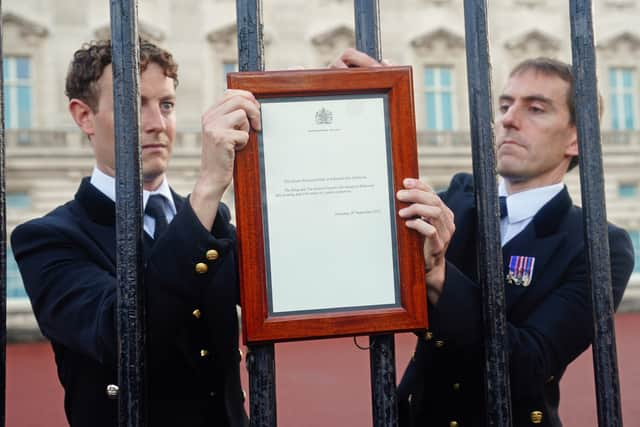
News of the monarch’s demise and the accession of Charles as King was announced to the world by Buckingham Palace just over three hours later at 6.30pm that evening.

French president Emmanuel Macron called her “a friend of France, a kind-hearted queen who has left a lasting impression on her country and her century”.
Over the next 11 days, the London Bridge plans in the event of the sovereign’s death were meticulously put into place.
Queen Elizabeth II was honoured with processions, vigils, a lying in state, a grand state funeral in Westminster Abbey and a poignant committal service in Windsor.