
George VI’s coronation day sinking feeling over most important ceremony of life
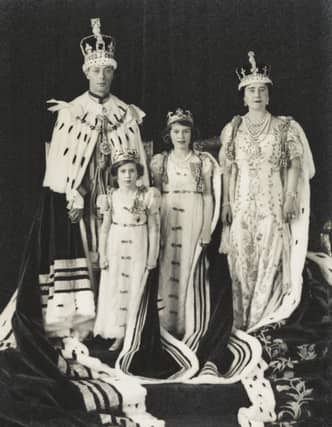

The King’s grandfather George VI was crowned with his consort Queen Elizabeth in the aftermath of the abdication crisis which rocked the monarchy.
In the early days of his reign, Edward VIII had little interest in the planning of his own coronation.
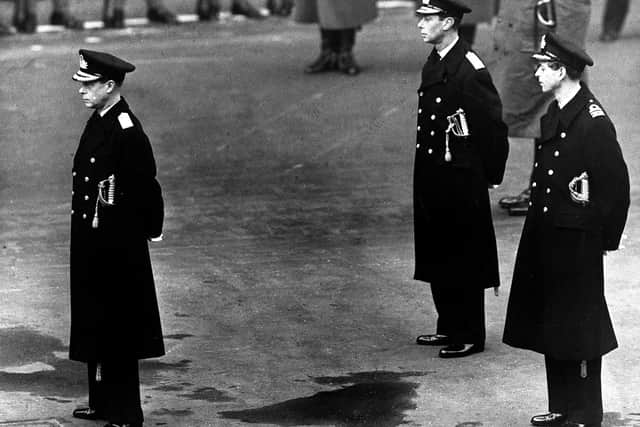
Months later, the uncrowned Edward VIII abdicated over his love for American divorcee Wallis Simpson, and the Duke of York became King George VI.
He kept to the same coronation date – May 12 1937 – and, although he never expected or wanted to be monarch, he was at least well versed in the arrangements for the coronation.
The occasion was the last time a Queen consort was crowned in British history.
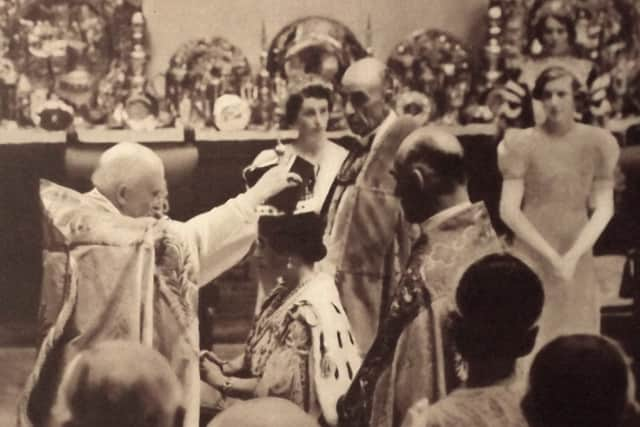
Now known as the Queen Elizabeth The Queen Mother’s Crown, its front cross holds the controversial Koh-i-noor diamond, which was seized by the East India Company and given to Queen Victoria in the 1840s.
George VI’s coronation cost £454,000 in 1937 – £24.8 million in today’s money, making it the most expensive coronation of the last 300 years.
The procession with the Gold State Coach after the ceremony was the longest ever to have taken place.

The abbey was colourfully decorated with blue and gold hangings and carpets and crimson robes and uniforms.
Even George VI was up early. He wrote of how he was woken up at 3am thanks to the testing of loud speakers in Constitution Hill.
The King held nothing back when he recounted his trepidation on the day in his memorandum on the coronation.
“I could eat no breakfast & had a sinking feeling inside. I knew that I was to spend a most trying day, & to go through the most important ceremony in my life,” he wrote.
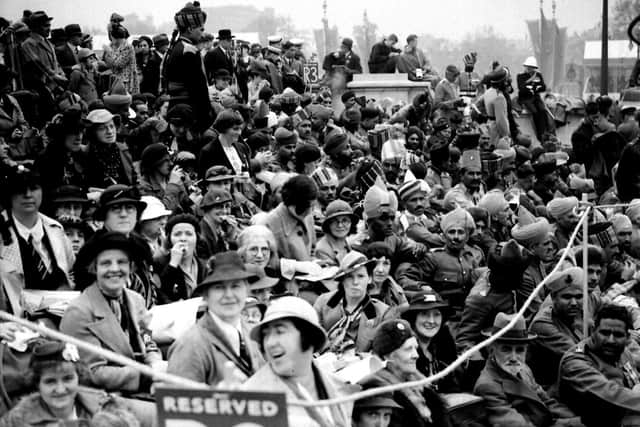
His widowed mother Queen Mary was inside the abbey, and the King and the Queen’s daughters Princess Elizabeth – a future Queen – and Princess Margaret, were there too, watching from the front row of the Royal Gallery.
The young princesses wore cream dresses with gold embellishment and purple robes and small golden crowns called coronets, which had padding inside for extra stability and comfort.

He recalled: “I had taken every precaution as I thought to see that the Crown was put on the right way round, but the Dean & the Archbishop had been juggling with it so much that I never did know whether it was right or not.”
The Archbishop of Canterbury blamed “some officious person” for removing a piece of red cotton which indicated the front of the crown.
George VI told how Queen Elizabeth’s procession had to be halted when a chaplain fainted, how he nearly put his Colobium Sindonis garment on inside out and how the archbishop’s thumb covered the words of the oath he had to read as monarch.
A bishop also stood on the King’s robe, nearly causing him to fall.
“As I turned after leaving the Coronation Chair I was brought up all standing, owing to one of the Bishops treading on my robe. I had to tell him to get off it pretty sharply as I nearly fell down,” he said.