
Government introduces EV charge point regulation to manage increased demand


The Government has announced regulation of private electric vehicle charge points to manage the increased demand for electricity as EVs become the norm.
The regulations, which apply to chargers installed at home and the workplace, will make sure ‘smart’ systems will prioritise charging for times when there is less demand on the grid, or when more renewable energy is available.
Chargers must also meet certain requirements that ensure ‘a minimum level of access, security and information for consumers’.
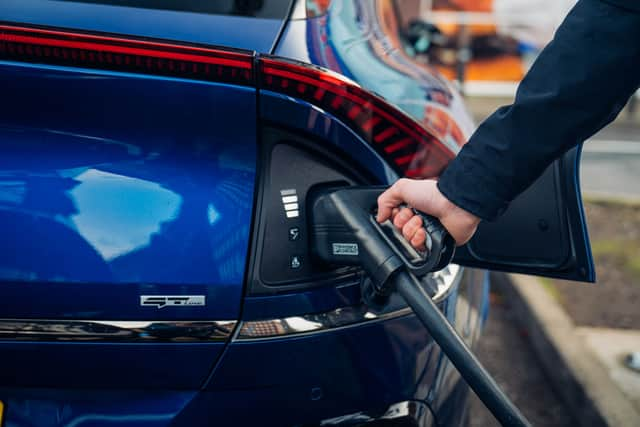
Chargers must also include pre-set, off-peak operating hours that the owner must accept, remove or change upon the first installation.
The legislation is called ‘The Electric Vehicles (Smart Charge Points) Regulations 2021’ and also applies to smart cables, which can be taken with the driver and contain their information.
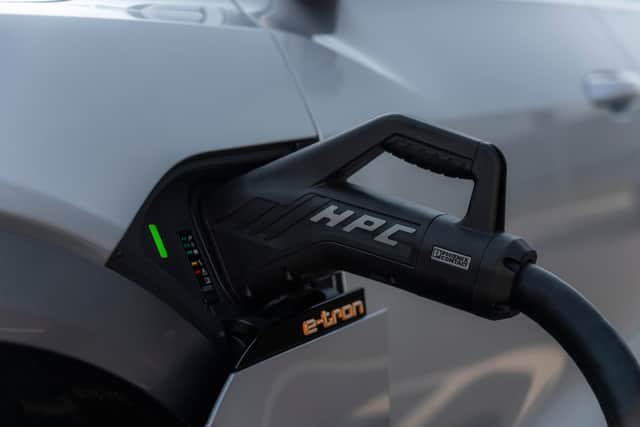
As the above implies, the regulations come into force on June 30, 2022 and apply to ‘any person or business selling, offering, or advertising a charge point for sale’.
In July 2021, the Transport Committee warned that the National Grid must be strengthened if it is to cope with the strain of millions of electric vehicles needing to be charged.
The Government is planning to ban any new non-electrified vehicles from being sold after 2035, which has lead many to worry about the effect of all those electric vehicles charging at peak hours.
Concerns were also raised that motorists in rural areas might be left behind by poor public charging infrastructure if they can’t charge at home.