
Governments will fail to meet electric vehicle targets if they ‘put all eggs in one basket’, says Ineos Automotive boss


Governments risk failing to meet vehicle decarbonisation targets if they ‘put all their eggs in one basket’ with battery-electric vehicles, Ineos Automotive’s boss has said.
Policy-makers around the world are pushing for more EVs to help tackle the climate crisis, but the majority are only focusing on battery-electric vehicles. In the UK, new petrol and diesel vehicles are set to be outlawed by 2030, with hybrid vehicles following five years later. By 2035, only electric vehicles are set to be sold.
But Lynn Calder, chief executive of new 4×4 brand Ineos Automotive – an offshoot of the huge Ineos empire owned by Jim Ratcliffe, one of the richest people in the UK – believes other options should be considered.
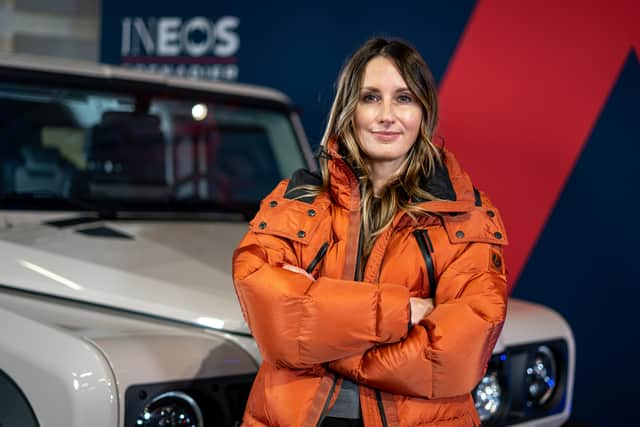
She said: “We didn’t do the project to not build it, but today, in all good conscience, it’s hard for me to build a car that I don’t think people are going to buy yet.
“I firmly believe we’re going to need a mix of powertrains if we’re going to meet the targets set by governments, and I fear if we carry on putting all our eggs in one basket, we’re going to fail.
“For vehicles that need to tow, do extreme off-roading or travel long distances, hydrogen is a great solution for that and we would really like to see governments around the world recognise that we need to do more than one thing.”

She added: “While automotive manufacturers are working really hard on the decarbonisation of the industry, we do need a bit of help from policymakers. Because at the moment we’re launching headfirst into electric vehicles, and really need help on the infrastructure.”
Ineos Automotive was properly established in 2018, and set about working to create a rugged 4×4 to act as an indirect successor to the original Land Rover Defender – the Grenadier. Delayed by Covid-related supply chain issues, the first examples started arriving with customers earlier this year.