
Groups tackling drug deaths say Government lacks leadership on issue
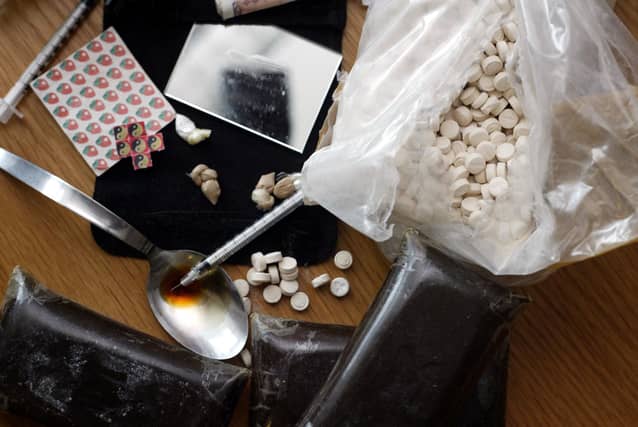

A majority of the groups set up by ministers to tackle Scotland’s drug deaths say the Scottish Government is not providing effective leadership on the issue.
A survey of Alcohol and Drug Partnerships (ADPs) found most disagreed when asked if the Government is providing “effective leadership” on its National Mission on Drugs Deaths.
The mission was announced in 2021 in a bid to reduce the harm caused by drugs.
In 2023, 1,172 Scots died as a result of drugs – the highest rate of deaths in Europe.
In its survey of 26 of the 30 ADPs in Scotland, PHS found most had concerns about funding and leadership from the Government.
A majority (61.5%) said they disagreed when asked if the Scottish Government had provided effective leadership on its drug deaths mission while around a third said they agreed.
One in three respondents also indicated that it was not clear to them what the Scottish Government expected from ADPs in its national mission to cut drug deaths.
The vast majority (83%) agreed that the overall aims and objectives of the national mission were clear, while 79% thought the scope of the mission was clear.
The groups disagreed on whether the Government holds them to account well, with half agreeing and the other half not agreeing.
Some 18 of the 26 groups polled said they did not receive enough funding from the Scottish Government, with only six saying the cash they receive is “about right”.
Most (83%) of the coordinators surveyed believed the national mission on drug deaths is likely to improve the quality of life of those impacted by drugs, but only half thought it was likely to reduce deaths from substance abuse.
More than two thirds of respondents said the national mission had already made a meaningful difference for those affected by drug harms.
Some 92% called for more funding for recovery-oriented support while more than two thirds urged better treatment options for non-opioid drug use and a stronger focus on prevention.
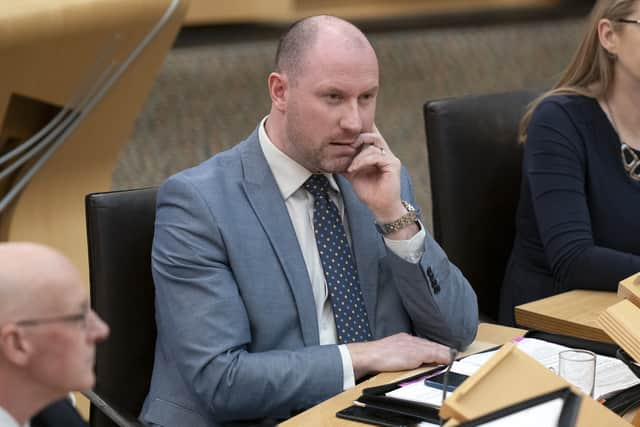
Health Secretary Neil Gray said: “We’re taking a wide range of actions through our five-year £250 million national mission on drugs.
“We know there is more to do, but it is encouraging to note tangible changes at local level detailed in this report.
“More than two-thirds of respondents thought that initiatives such as additional funding for residential rehab placements, and rolling out Medication Assisted Treatment Standards and take-home naloxone (which can reverse opioid overdoses) had already delivered positive impacts locally.
“We are grateful to all the work done by local Alcohol and Drug Partnerships and will use these recommendations to help target our efforts.
“We are already working hard on prevention and workforce wellbeing and retention, and to respond to the growing threat from polydrug use, and cocaine.
“Record levels of funding for Alcohol and Drugs programmes were protected in the draft Budget.
“The total funding proposed, including health board baseline funding, is more than £150 million for 2025-26. This includes maintaining a £112 million to local ADPs for treatment and support services.”