
Homelessness could rise by a third in two years, report finds
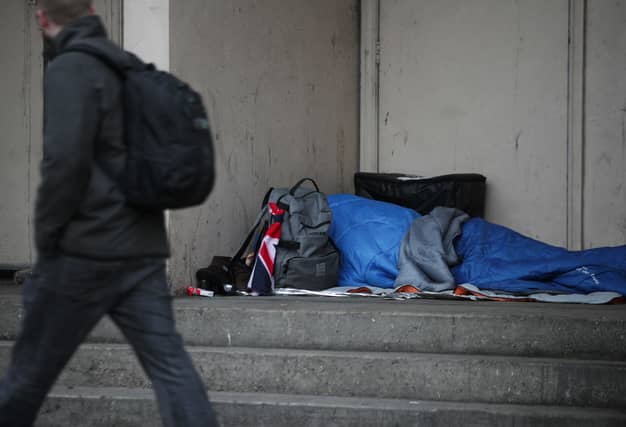

Homelessness in Scotland could increase by a third in the next two years without a significant policy intervention, a study has found.
Research from Heriot-Watt University for the charity Crisis suggested the number of households experiencing “core homelessness” – sleeping rough, in hostels or in temporary accommodation – could rise by 33% by 2026.
The study examined past trends in homelessness and projected trends based on housing market data and economic forecasts from the Treasury, OBR and other sources.
In 2022, core homelessness stood at 18,400 households and the report projected that this would increase by 6,100 by 2026.
The core homelessness figure has gone up by 11% since 2020.
The Homelessness Monitor report recommended a number of different measures to prevent this increase, including raising working age benefits and action to prevent destitution.
Matt Downie, chief executive of Crisis, said: “The risk of a significant rise in homelessness over the coming years should worry us all.
“We can’t just sit back and watch as more people are forced onto the streets, to sleep in cars or garages, or spent months or years trapped in emergency accommodation that just isn’t fit for their basic needs.
“It doesn’t need to be that way. Scotland has proven good policy can make a difference in the past, and it can do it again.
“As this report shows, by investing in homelessness services and by pushing on with plans to prevent homelessness, backed by adequate resource, the Scottish Government can stop that future from becoming a reality.
“We know what causes homelessness and we know how to end it. By working together, we can build a Scotland where everyone has a safe, secure place to call home.”
Dr Beth Watts-Cobbe of Heriot-Watt University said: “This year’s homelessness monitor paints the picture of a system under huge strain – with rising numbers of people presenting as homeless over the past two years, reports of growing footfall from local authorities and intense challenges accessing accommodation to resolve people’s homelessness.
“It is acutely concerning that, after a decade of stability prior to the pandemic and despite a strong focus on rapid rehousing approaches, temporary accommodation placements have increased sharply, including a greater reliance on accommodation.”
Housing minister Paul McLennan MSP said: “We welcome this independent analysis of homelessness in Scotland and its assessment of the measures that are most effective in reducing homelessness. We have already committed to many of these measures in our homelessness strategy.
“Scotland has the strongest rights across the UK nations for people experiencing homelessness. Tackling homelessness is a key priority for the Scottish Government and anyone threatened with or experiencing homelessness is entitled to advice and accommodation if they need it.
“We are committed to reducing the number of households in temporary accommodation and we are acting on the recommendations of the expert temporary accommodation task and finish group. This includes investing at least £60 million in 2023-24 as part of our £752 million Affordable Housing Supply Programme to support a national acquisition plan.
“I welcome Crisis’s backing for the measures to help prevent homelessness which are included in the Housing Bill, which we committed to introducing as part of our Programme for Government.
“However as the report notes, other changes which would make a significant difference are not within the powers of the Scottish Government. The UK Government should heed the calls from Crisis to increase Housing Benefit and other working age benefits. It is also concerning that another Local Housing Allowance freeze is on the horizon.
“We continue to call on UK ministers to introduce an Essentials Guarantee to be applied to universal credit and other reserved benefits, so social security benefits adequately cover the cost of essentials and better protect the most vulnerable people.”