
How Queen’s death in Scotland has activated Operation Unicorn
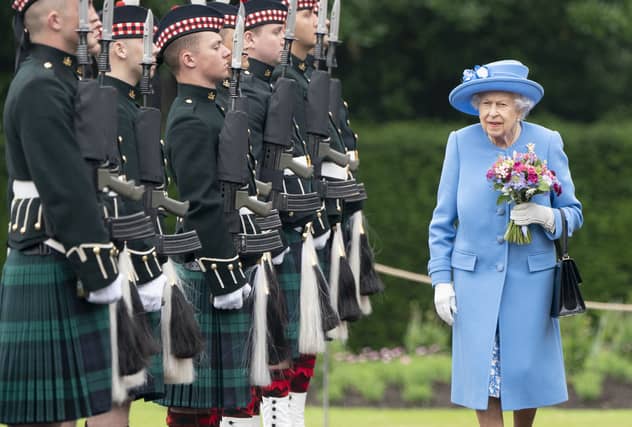

The death of the Queen in Scotland has triggered contingency plans known as Operation Unicorn.
Part of the long-held so-called London Bridge arrangements for the aftermath of Elizabeth’s death, Unicorn sets in motion additional ceremonial events in Edinburgh ahead of the logistics of moving the Queen’s coffin back to London.
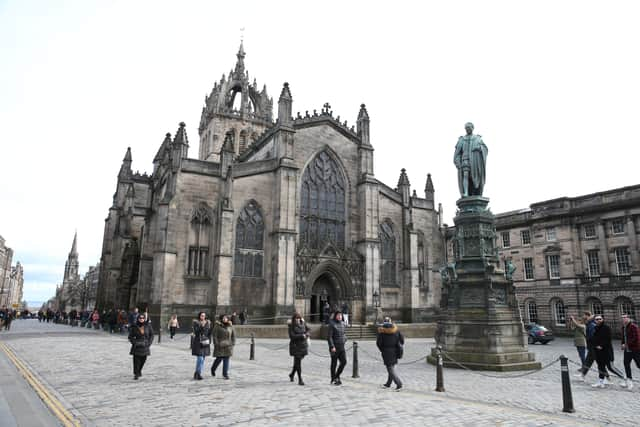
The royal family has already made the urgent dash to Balmoral, with Charles – the new king – and the Queen’s other children the Princess Royal, the Duke of York and the Earl of Wessex at the monarch’s bedside.
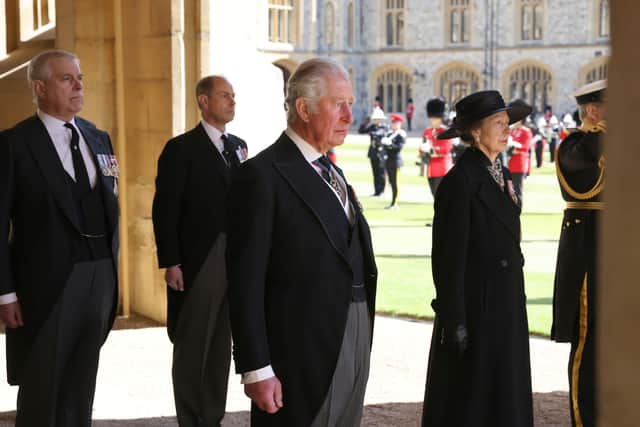
Members of the royal family will be expected in the coming days to hold a poignant vigil around the Queen’s coffin in St Giles’ Cathedral in Edinburgh.
Also at Balmoral are the Duke of Cambridge, now the heir to the throne, and Camilla – the new Queen, and the Countess of Wessex.
Initially, the Queen’s coffin is expected to be at rest in the Ballroom at Balmoral Castle – her private home in Aberdeenshire in the Scottish Highlands.
The long, slow journey will take more than five hours as it passes through a myriad of towns and villages, watched by mourners gathered along the route.
The coffin will then rest overnight in the oak-panelled Throne Room at the Palace of Holyroodhouse – the Queen’s official residence in the Scottish capital.
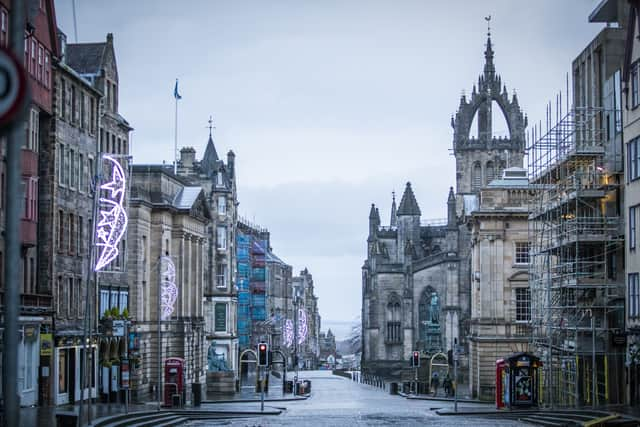
Members of the royal family are expected to process behind the hearse.
A service will be held in St Giles’ and the Queen’s children are expected to stage a vigil around the Queen’s coffin – known as the Vigil of the Princes – while it lies in the cathedral.
Members of the public are expected to be allowed in to file past the Queen’s coffin to pay their respects.
The next day as part of Operation Overstudy – the transfer of the Queen’s coffin by plane, the coffin will be flown to London by the RAF on a military aircraft, ahead of preparation for a lying in state.
The mythical creature first appeared on a Scottish royal coat of arms for William I in the 12th century.