
Iraq begins first nationwide population census in decades
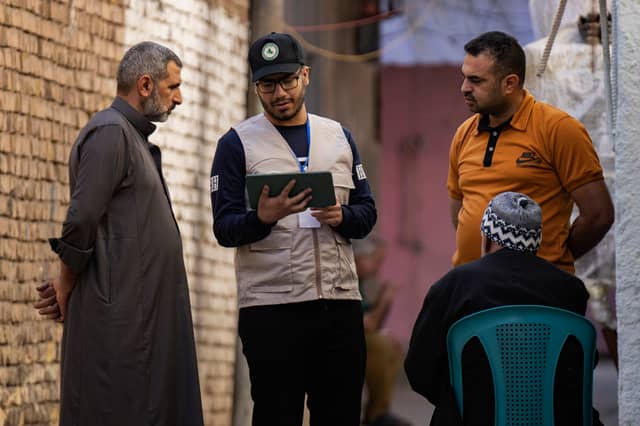

Iraq has begun its first nationwide population census in decades, in a move to modernise data collection and planning in a country long affected by conflict and political divisions.
The act of counting the population has also proven contentious, as the census is expected to have profound implications for Iraq’s resource distribution, budget allocations and development planning.
The count in territories such as Kirkuk, Diyala and Mosul – where control is disputed between the central government in Baghdad and the semi-autonomous Kurdish regional government in the north – has drawn intense scrutiny.
Ali Arian Saleh, the executive director of the census at Iraq’s Ministry of Planning, said agreements on how to conduct the count in the disputed areas were reached in meetings involving Iraq’s Prime Minister, President and senior officials from the Kurdish region.
“Researchers from all major ethnic groups – Kurds, Arabs, Turkmen, and Christians – will conduct the census in these areas to ensure fairness,” he said.
The new census “charts a developmental map for the future and sends a message of stability,” Planning Minister Mohammed Tamim said in a televised address.
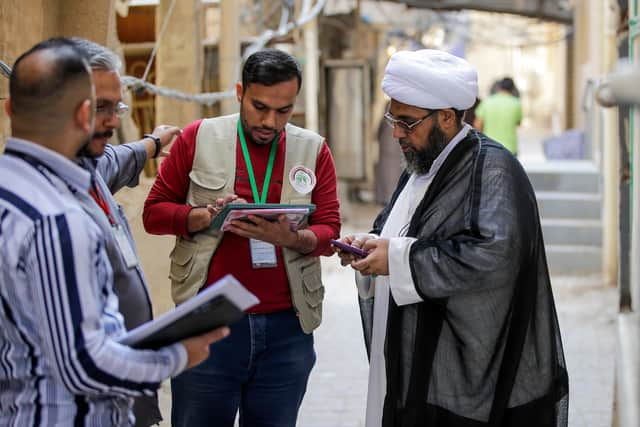
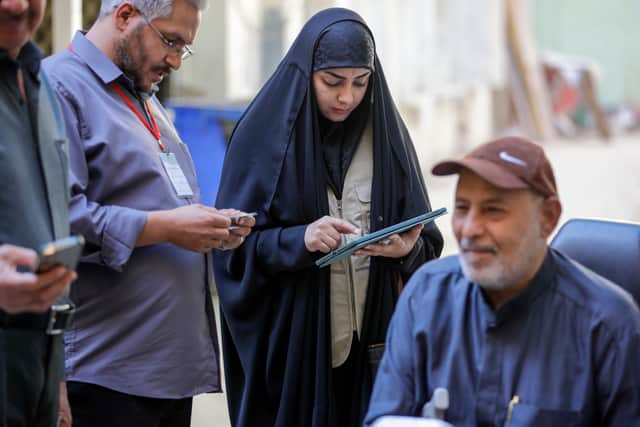
The census will be the first to employ advanced technologies for gathering and analysing data, providing a comprehensive picture of Iraq’s demographic, social, and economic landscape, officials say.
Some 120,000 census workers will survey households across the country, covering approximately 160 housing units each over two days.
The Interior Ministry announced a nationwide curfew during the census period, restricting movement of citizens, vehicles and trains between cities, districts and rural areas, with exceptions for humanitarian cases.