
‘I’ve had one of the most remote jobs in the British Isles – it’s like I’m A Celeb and we could only shower once a week’
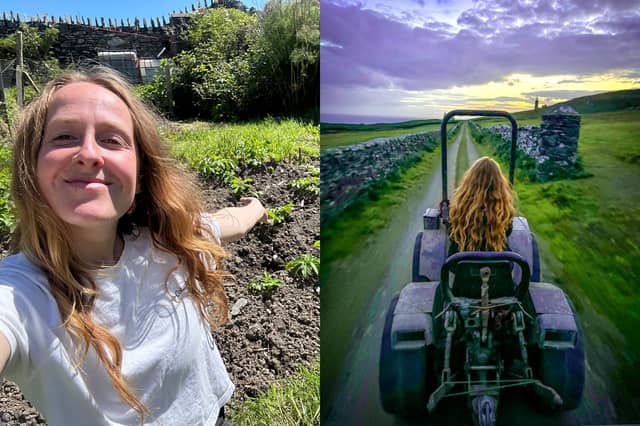

An environmental communicator who has worked “one of the most remote jobs in the British Isles” on an island many have “never heard of” has likened the experience to I’m A Celebrity… Get Me Out of Here!
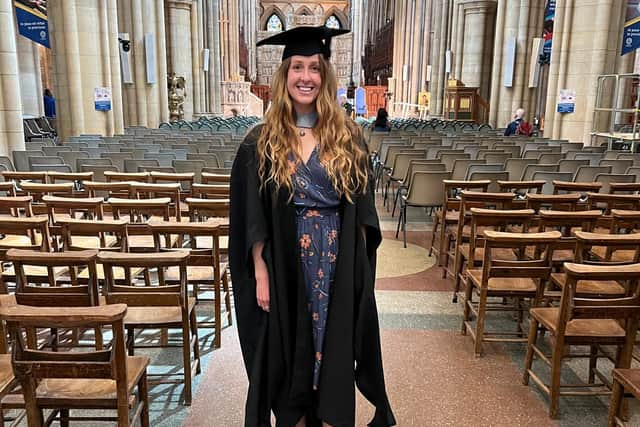
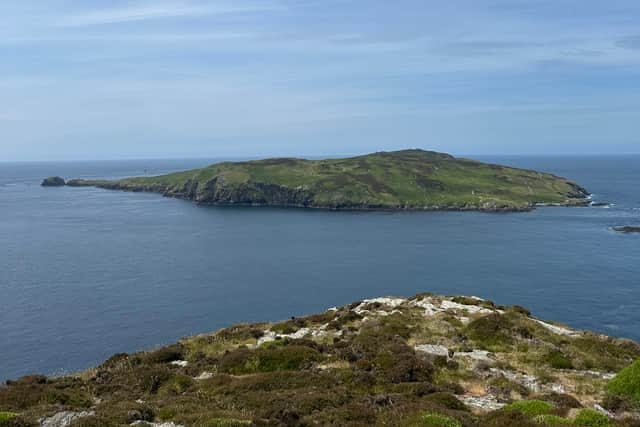
In 2022, Chloe Hurst, 29, who lives near Falmouth, Cornwall, stumbled across the opportunity to volunteer as an assistant estate warden on the Calf of Man – an island off the south coast of the Isle of Man, owned by Manx National Heritage.
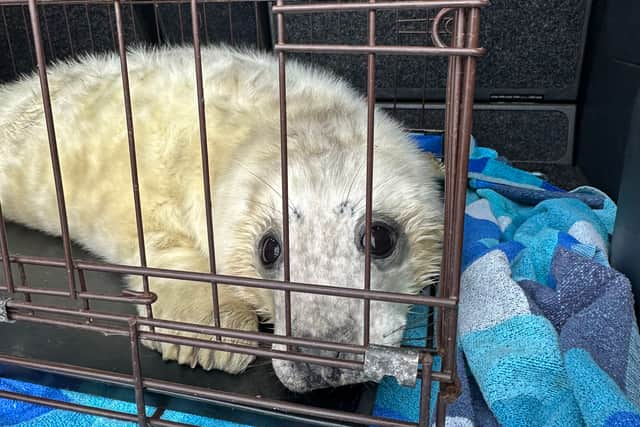
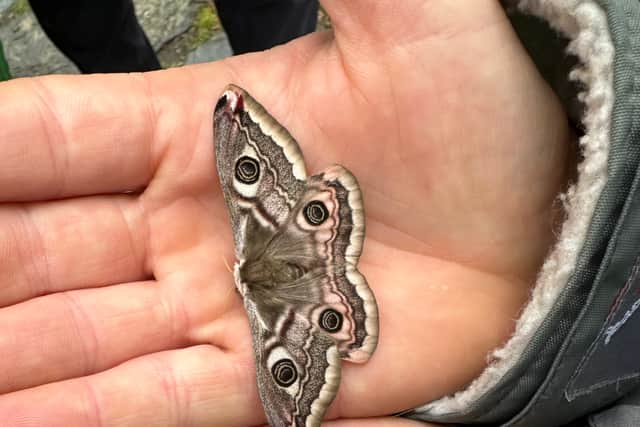
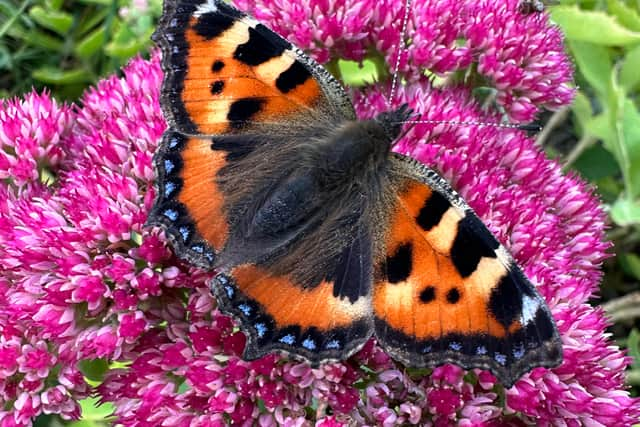
Accessible by boat only, the Calf extends to approximately 600 acres and is home to a plethora of flora and fauna, including birds, seals, dolphins, moths, butterflies and insects – yet Chloe said “not many people know it exists”.
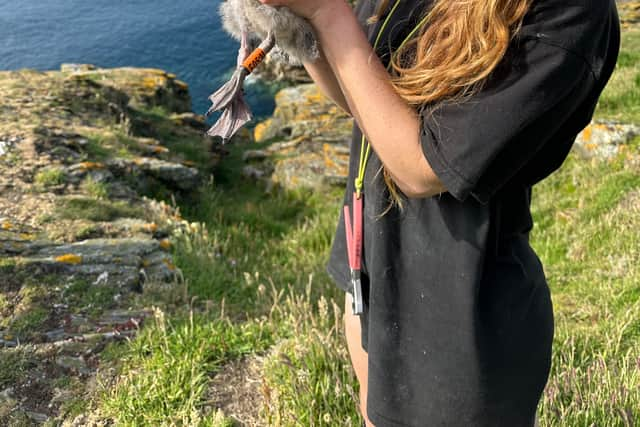
She described the Calf as “a paradise island” but said you have to be “pretty hardy” to work there, as she and the other three wardens could only shower once a week and supplies and food are only deliverable by boat.
Chloe told PA Real Life: “It’s like I’m A Celebrity… Get Me Out of Here! in a way.
“When you’re put in those environments, you do find out things about yourself and you might be surprised at how well you adapted or how hardy you are.
Chloe, who has degrees in Environmental Science and Conservation and Biodiversity, said she has “always had a passion for travel and adventure”.
While working at the Cornish Seal Sanctuary in Gweek in 2022, she discovered an article about working on the Calf of Man – an island she had “never heard of” at the time – and it piqued her interest.
“I saw an article about one of the most remote jobs in the British Isles and I thought, ‘Oh, that sounds interesting’,” she said.
“There are two paid wardens and two assistant wardens on the Calf – two of which are bird and two of which are estate wardens.

The Calf is accessed by small boat operators running return trips from Port St Mary and Port Erin and the journey can take 40 minutes – although sailings are subject to suitable weather conditions, the tide and the availability of the boatmen.
Chloe said her friends and family thought she was “crazy” for wanting to work on a remote island for nine months, but she had this “gut feeling” that she wanted to experience life on the Calf and embrace its “outdoorsy” lifestyle.
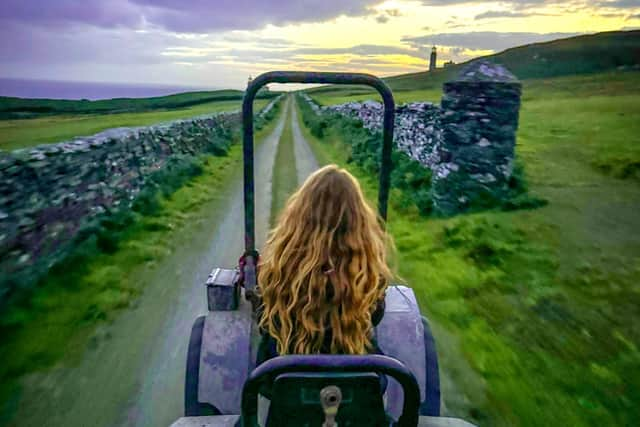
Chloe explained that the wardens sleep in the farmhouse on the island and there is a hostel attached to it, which can accommodate up to eight guests over the summer months.
She said the island has Wi-Fi – although it can be slow – and they have generators and a battery bank that help to power appliances like the shower and dryer.
“Water consumption needs to be monitored very closely, and we don’t get to have showers very often for that reason – we only shower once a week and we have to keep those showers short,” Chloe said.
“A lot of people I know struggle with that… but we’re all in the same boat. If one of us smells, all of us will be smelly.”
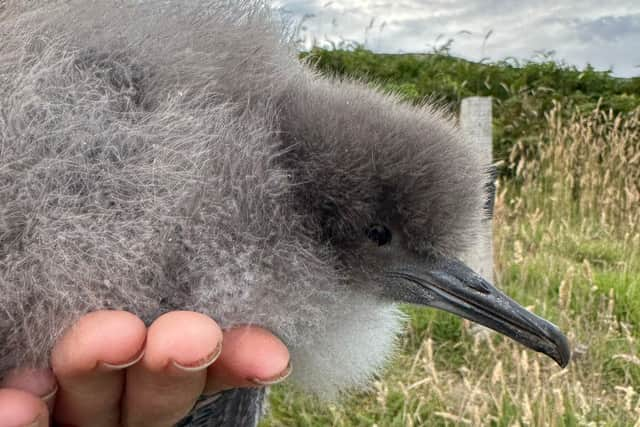
A typical day would see Chloe waking up at 5am to help with bird ringing, which involves catching birds, securing a small metal ring around one of their legs and recording the species, age, sex, wing length and weight.

She would then complete other tasks, such as cleaning, fixing gates, conducting wildlife surveys and managing habitats, and she has been fortunate enough to see seals, dolphins, porpoises, whales and “beautiful moths” on the island.
“We basically monitor anything and everything that’s on the island, from insects to the bigger animals,” she said.
People from the Isle of Man and further afield often visit the Calf, along with kayakers, paddle borders and those with private boats, but Chloe said she has only ever seen around 40 people on the island at once.
She loves interacting with visitors and showcasing the conservation work they do – describing the job as “very rewarding”.
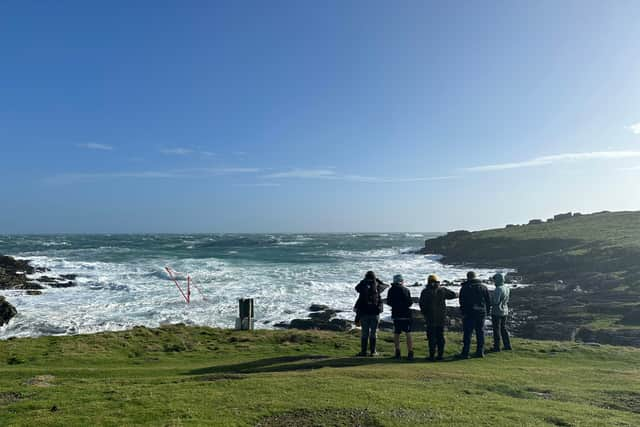
She explained: “If the weather’s bad, it’s simple, we can’t get the boat – we can’t get supplies, we can’t get food, we can’t get off.
“Emergency-wise, we’d have to call the coastguard and get helicoptered.
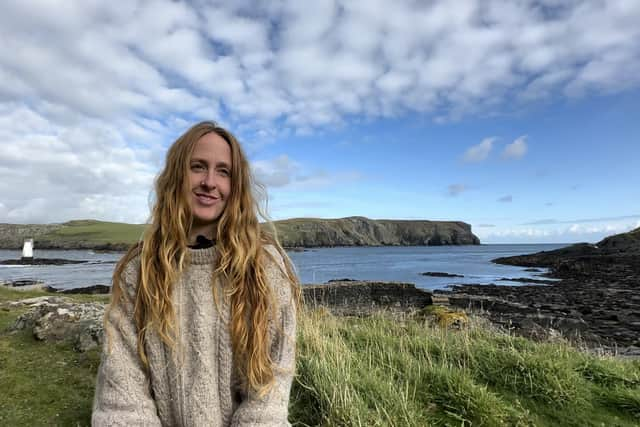
Chloe explained that her time on the Calf in 2022 was “profound” for her, and she ended up going back to the island this year to work as a paid estate warden, which has a salary of around £19,000 for nine months.
She said stripping everything back gives you perspective on what is important in life – and even when she has been covered in bird faeces, she has been able to laugh with the other wardens.
Chloe is not sure whether she will return to the Calf to work as a warden as she is hoping to try something new next year.
However, she said she will go back to visit for a holiday and would even like to create her “own mini Calf somewhere”, where she can live a “simpler life”.
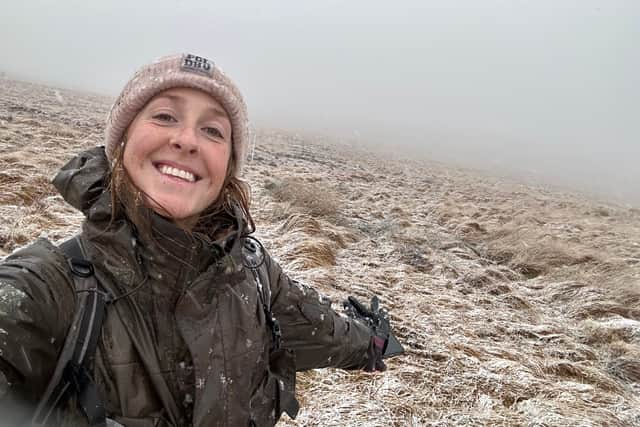
She said: “I’d say, to take a job like this, you have to be able to adapt to changing circumstances and situations, you have to be pretty hardy.
“You can’t just go to the shops if you forget something… you have to get creative sometimes and think outside the box, but it’s all manageable.
“There are so many things we take for granted but living on the Calf makes you appreciate things a lot more.”
To find out more, visit Chloe’s YouTube channel here: youtube.com/@awildguide.