
Kinder Scout national nature reserve extended to cover more than 1,000 hectares
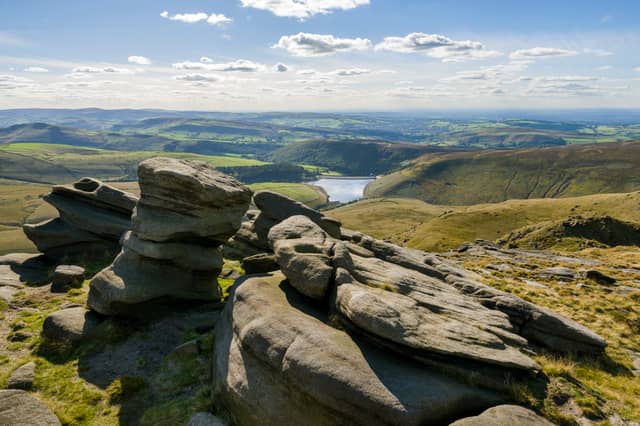

A nature reserve in the Peak District famous for a mass trespass 90 years ago and now an important peatland restoration site has been extended in size.
Kinder Scout national nature reserve (NNR) in Derbyshire, which is cared for by the National Trust, has been extended by 25%, creating a protected area of 1,082 hectares (2,674 acres) at the highest point in the Peak District.
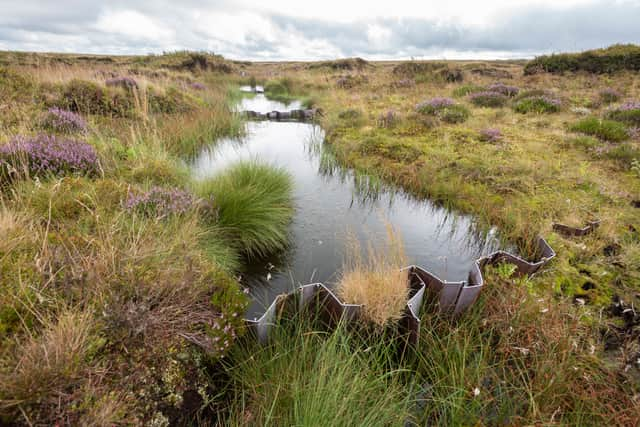
The laboratory includes scientific monitoring equipment such as pipes inserted into the peat to measure the water table, weirs that gauge water flow in erosion channels and marked-out squares for monitoring plant growth.
It has enabled the National Trust, the University of Manchester, and Moors for the Future Partnership to study the effects of restoring peatland on cutting erosion, naturally managing flooding and creating healthier habitat, compared to a 100m by 250m control plot which has not been restored.
Monitoring of the area has shown that restoring vegetation on bare peat led to a 98% reduction in erosion of peat into streams within 18 months.
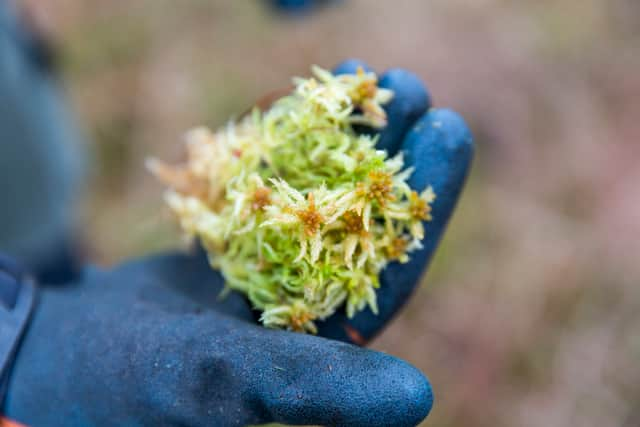
And a combination of restoring vegetation, blocking gullies and planting sphagnum moss helps cut the speed of water flowing down to valleys during storm events.
Professor Tim Allott, from the University of Manchester, said: “The control area has been central to our scientific understanding of restoration on the site – as without it we would not have been able to properly assess the impact of the restoration work in slowing the flow of water on hillsides and reducing flood risk downstream.
“It also provides a ‘museum’ of the past damage on Kinder Scout.
“By simply standing within this small remaining ‘island’ of bare peatland, you get a dramatic sense of the scale of transformation of this iconic landscape by looking across the newly restored, vibrant, and diverse habitat which surrounds it.”
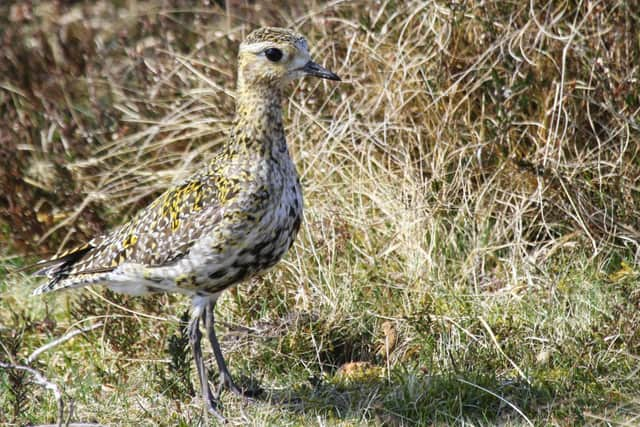
But almost 40 years of restoration work had transformed the nature reserve into a plateau of healthy peat bogs, with cottongrass and sphagnum moss, that created habitat for wildlife including mountain hares, golden plovers and insects, he said.
“This work will continue alongside the activity on the extended area.”
Kinder Scout was the site of a mass trespass 90 years ago by walkers demanding more access to the countryside, which helped lead to open access to moorland and the creation of the national parks.