
Lenders in ‘productive’ meeting with Hunt as rates hike worsens mortgage crisis


Banking bosses held a “very productive” meeting with Chancellor Jeremy Hunt on Friday morning, after a shock interest rate hike deepened the mortgage crisis and threatened more pain for struggling households.
Mr Hunt met with large lenders including HSBC, Santander and Barclays in Downing Street early on Friday morning, with the Government being urged to relieve the pressure.
“We had a very productive meeting. We’re doing everything we can to help customers and help with the anxieties,” NatWest boss Alison Rose said as she left the meeting.
She added they were “very keen” to help everyone.
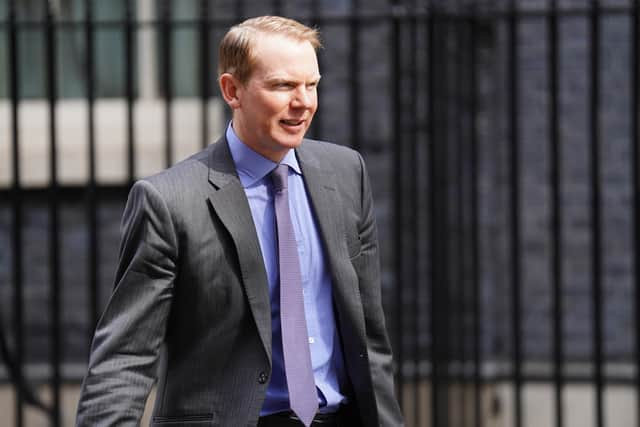
Prime Minister Rishi Sunak and Mr Hunt have ruled out a financial intervention as rates were hiked as the Bank of England tries to bring down stubbornly high inflation.
Labour has called for banks to be compelled to help struggling mortgage holders in a tougher response, while some backbench Tories have demanded support for under-pressure borrowers.

Surprising economists who had been expecting a smaller hike of 0.25 percentage points, the move brought rates to the highest level in nearly 15 years.
The move came in an attempt to reduce inflation, which measures the rate of rising prices, which remained at 8.7% in May despite efforts to bring it down.
Other attendees included Barclays chief executive Matt Hammerstein, Virgin Money boss David Duffy, and Nationwide chief executive Debbie Crosbie.
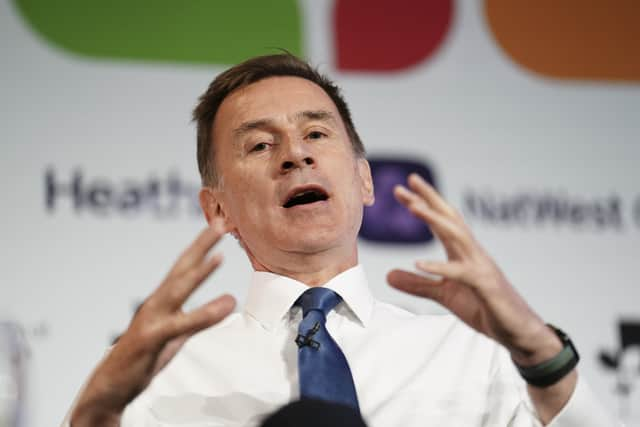
Financial markets are predicting that interest rates will strike a high of 6% by the end of the year.
There have been warnings that 1.4 million mortgage holders will lose at least a fifth of their disposable income in additional repayments.
They are set to rise by £2,900 for the average household remortgaging next year, according to economists at the Resolution Foundation.
More than 80% of homeowners with a mortgage are on fixed-rate deals, according to trade association UK Finance.
However, around 2.4 million fixed-rate mortgage deals are due to end before the end of 2024, with some potentially heading for a bill shock.