
Life in the UK in March 1982 – the last time inflation was 9%


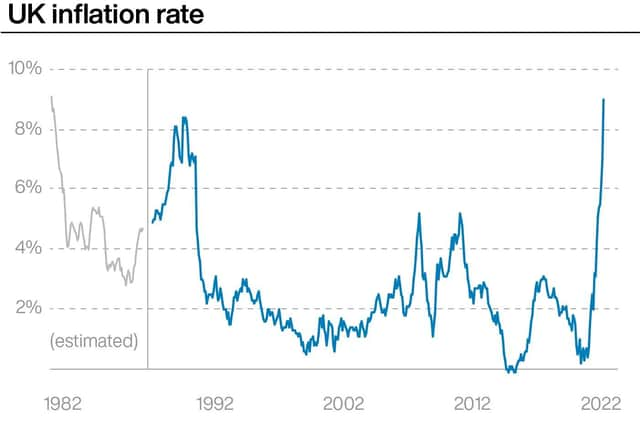
Inflation levels may have been similar, but the UK was a very different place in March 1982 – the last time the cost of living was estimated to be rising as fast as it now.
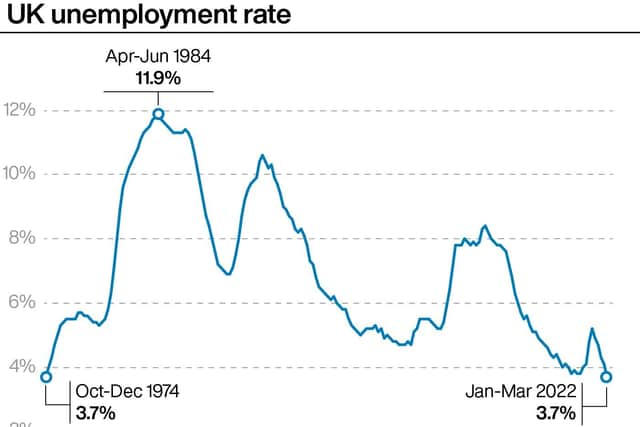
The unemployment rate stood at 10.4%, the highest for 50 years, compared with 3.7% today.
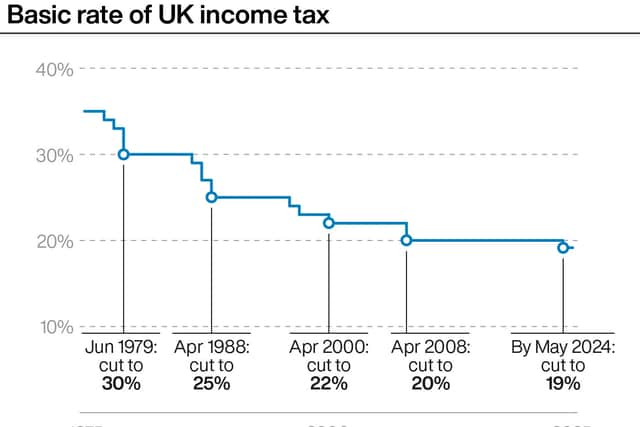
Tackling inflation was the one of the top priorities of the Conservative government led by Margaret Thatcher, with levels in spring 1980 having reached the equivalent by today’s standards (as estimated by the Office for National Statistics) of nearly 18%.
The Government hoped to reduce the amount of money in circulation by simultaneously cutting spending and raising indirect taxes.
These events led to a drop in support for the Conservatives.
By March 1982, Margaret Thatcher was nearly three years into her first term as prime minister, but her party was averaging around 31% in the opinion polls.

Politics in the UK appeared to have become a genuine three-way fight – very different from today, where two parties dominate the polls (with Labour currently averaging 39% and the Tories 34%), far ahead of smaller parties such as the Liberal Democrats, SNP, Greens and Plaid Cymru.
Away from Westminster, everyday life in March 1982 might seem somewhat primitive to a visitor from 2022.
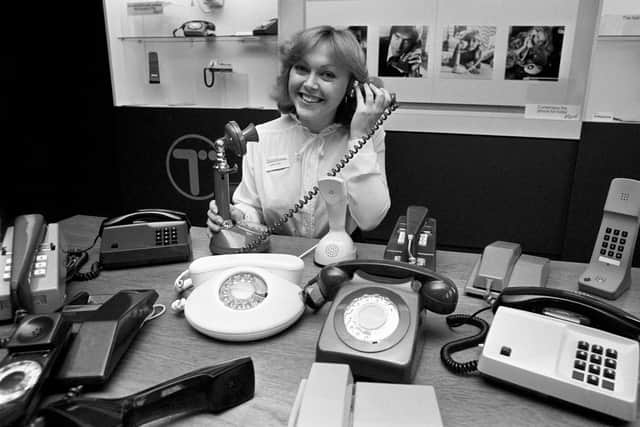
The entire telephone system was run by the publicly-owned British Telecom, though later in 1982 a licence would be granted to Mercury Communications to operate the country’s first ever privately-run network.
The population had only four UK-wide radio stations to enjoy – Radios 1, 2, 3 and 4 – and just three television channels to choose between, BBC1, BBC2 and ITV, though Channel 4 would launch later that year in November.
Breakfast television had yet to begin, so BBC1 and ITV did not typically start broadcasting on a weekday until lunchtime, while BBC2 filled most of its daytime schedule with programmes for the Open University.
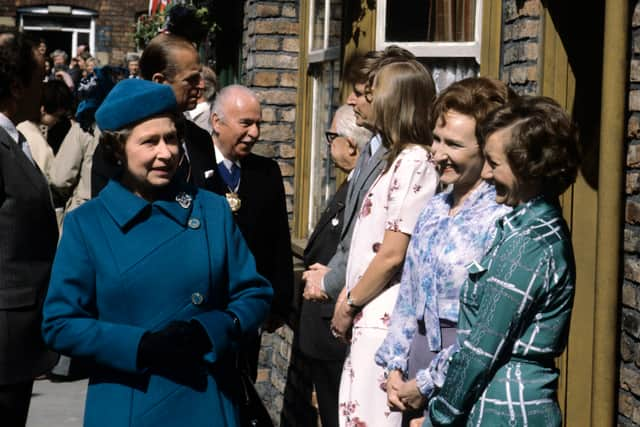
The most popular TV programmes in March were This Is Your Life and Coronation Street – both on ITV and both of which attracted audiences of around 17 million.
Top of the album charts for most of March 1982 was Barbra Streisand with Love Songs, a collection of some of the American singer’s best-known material that also included a version of Memory from Andrew Lloyd Webber’s recent hit musical Cats.
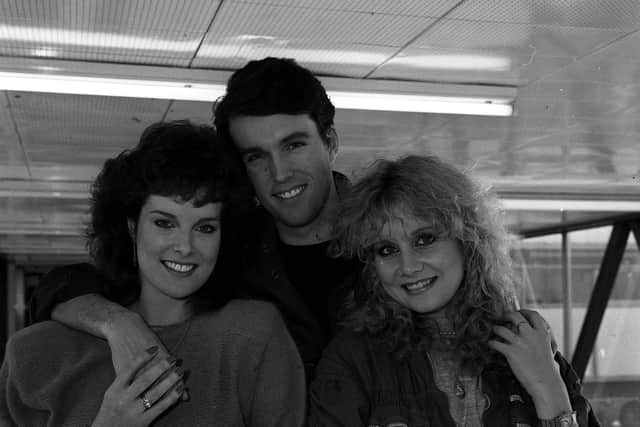
But there was plenty for others to enjoy in the top five during the month, including hits by The Jam, Haircut 100, Bananarama, Bucks Fizz, Chas & Dave and Julio Iglesias – proving that while tastes may have changed in the past 40 years, the pop charts were just as diverse then as now.